 How-to
How to Safely Remove Lead Paint: A Professional Guide
Last Updated: November 12, 2026
Quick Summary
To learn how to safely remove lead paint, you must not do it yourself: sanding, scraping, or heat-gunning old paint spreads fine lead dust through the whole house. Instead, hire certified operators who test first, seal the work area, control dust with wet methods and HEPA vacuums, remove the paint, then clean and verify with a clearance check.
- Sanding, scraping, or heat-gunning old paint can raise lead levels for months.
- There is no safe level of lead exposure, according to the CDC.
- Young children absorb lead more readily than adults, per the EPA.
- Certified operators use wet scraping, wet sanding, or chemical strippers instead of dry sanding.
- A clearance check confirms the space is safe after wet wiping and HEPA vacuuming.
Table of Contents
- Why You Should Never Remove Lead Paint Yourself
- Is Stripping Lead Paint Dangerous? Understanding the Health Risks
- How to Safely Remove Lead Paint from Wood: The Professional Process
- Frequently Asked Questions
Why You Should Never Remove Lead Paint Yourself
Learning how to safely remove lead paint starts with one hard truth: you should not do it yourself. Sanding, scraping, or heat-gunning old paint sends fine lead dust through the whole house, and a single renovation can raise lead levels for months. If you are tempted to grab a scraper, read why sanding lead paint yourself is so risky first.
Is Stripping Lead Paint Dangerous? Understanding the Health Risks
Stripping lead paint is dangerous because lead is a neurotoxin that harms the brain and nervous system, and there is no safe level of exposure (the CDC). Young children face the greatest danger, as their developing bodies absorb lead more readily than adults (the EPA). Lead dust also travels on shoes and clothing into other rooms and cars, which is why containment matters so much (the EPA). If you have young children, learn how to protect children from lead paint exposure first.
How to Safely Remove Lead Paint from Wood: The Professional Process
The safe way to remove lead paint from wood is a controlled process run by certified operators.
- Test first. A certified inspector confirms whether lead paint is present and where.
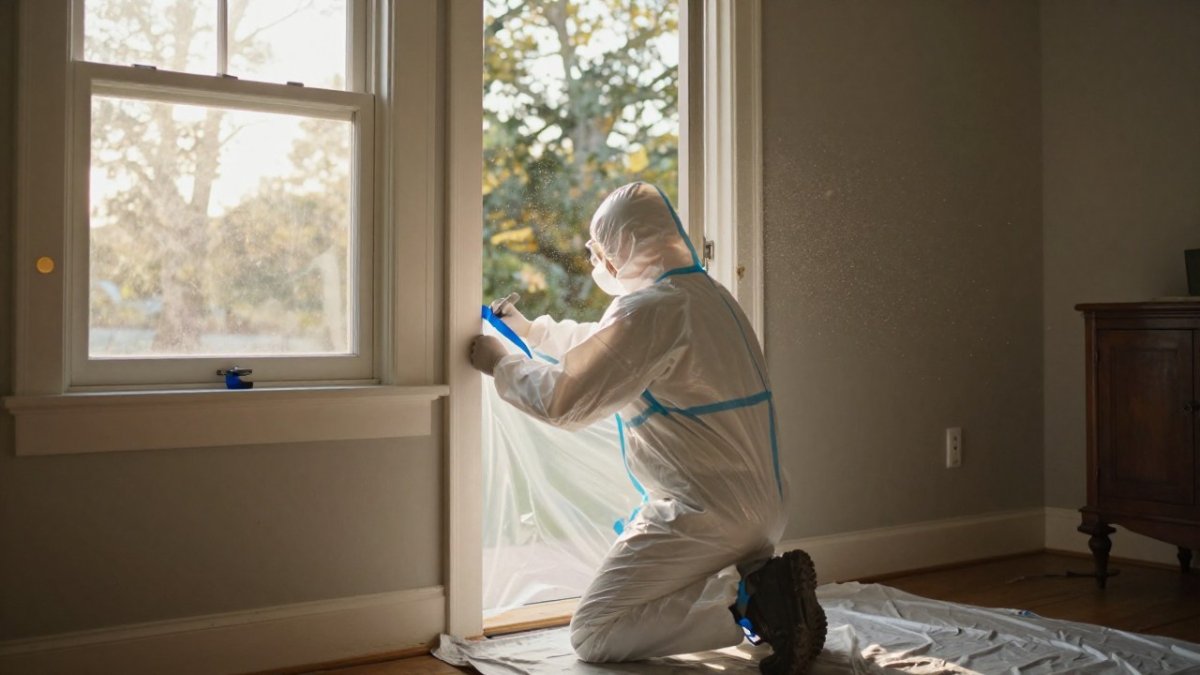
- Seal the work area. Plastic sheeting and tape create a containment zone.
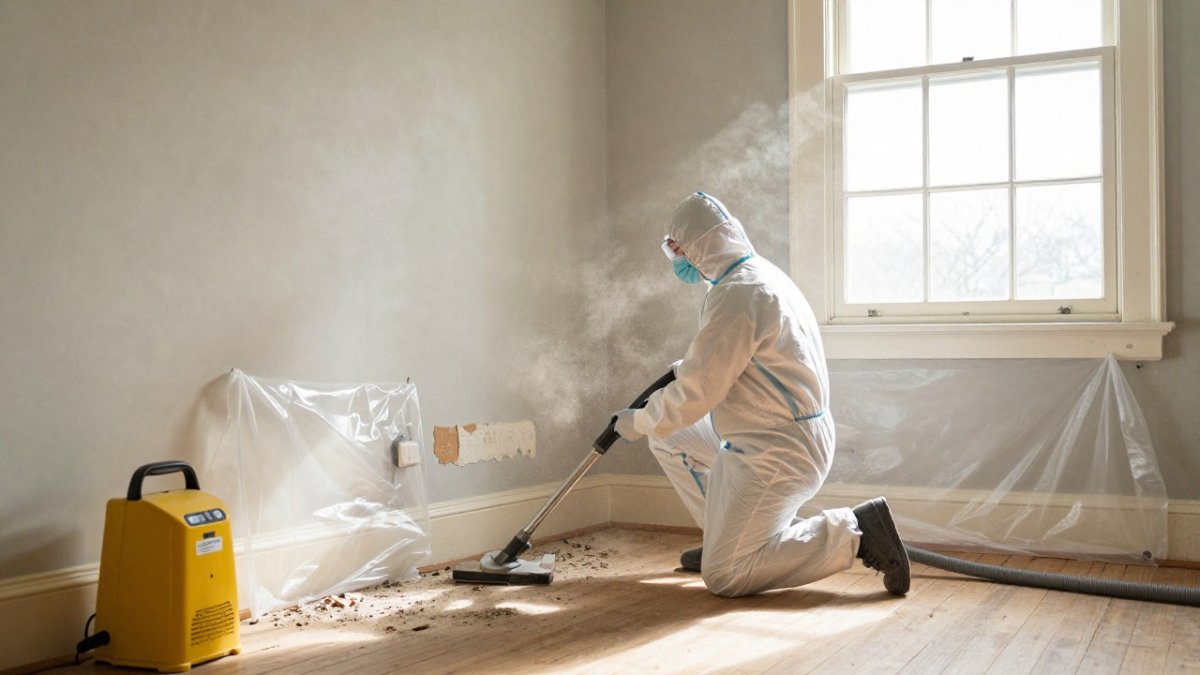
- Control the dust. Wet methods, HEPA vacuums, and respirators keep particles out of the air.
- Remove the paint. Wet scraping, wet sanding, or chemical strippers replace dry sanding.
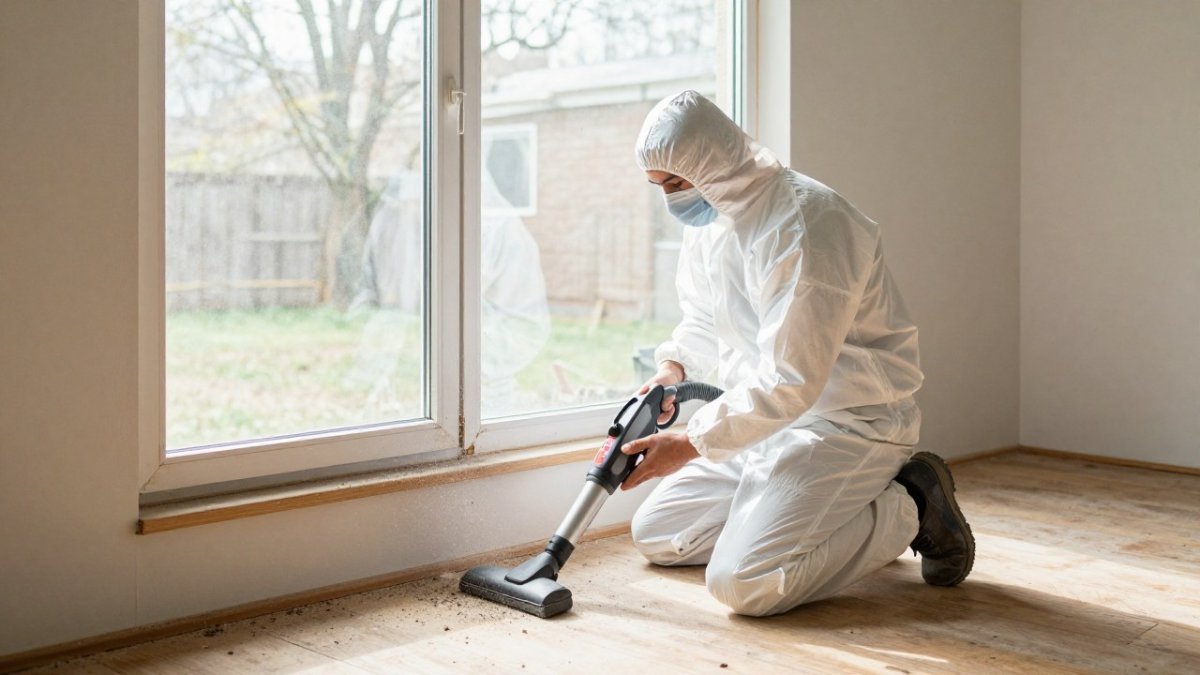
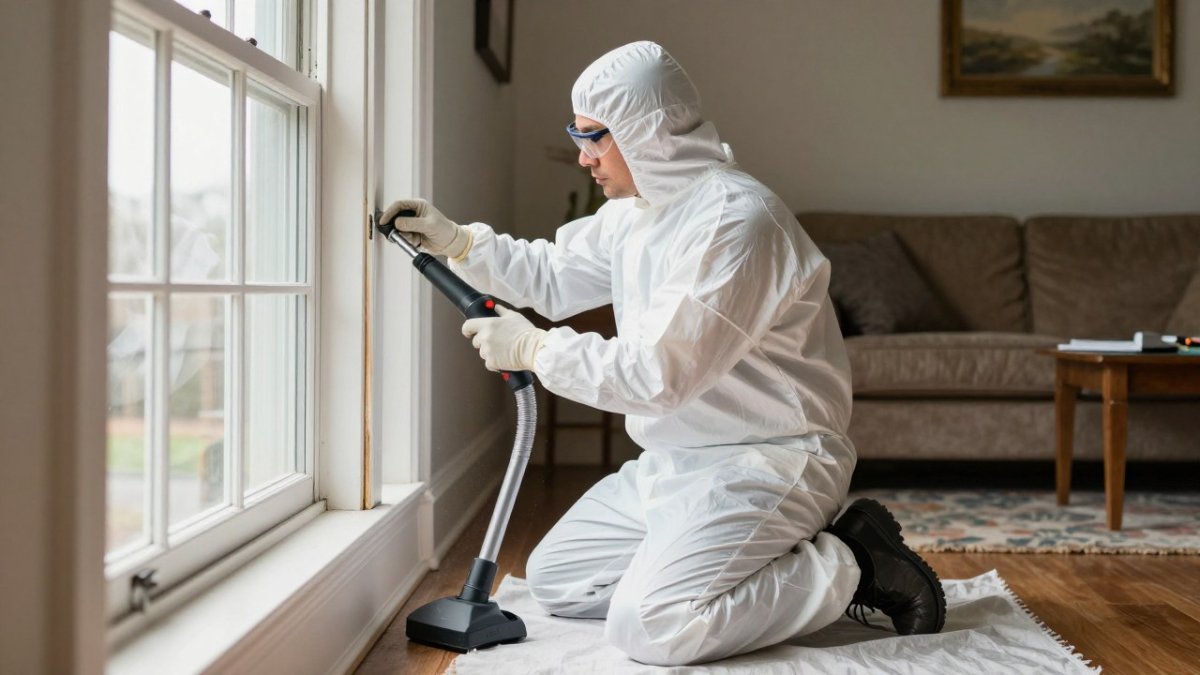
- Clean and verify. Wet wiping and HEPA vacuuming follow, then a clearance check confirms the space is safe.
- Dispose of waste properly. Debris and water are bagged and handled under the rules.
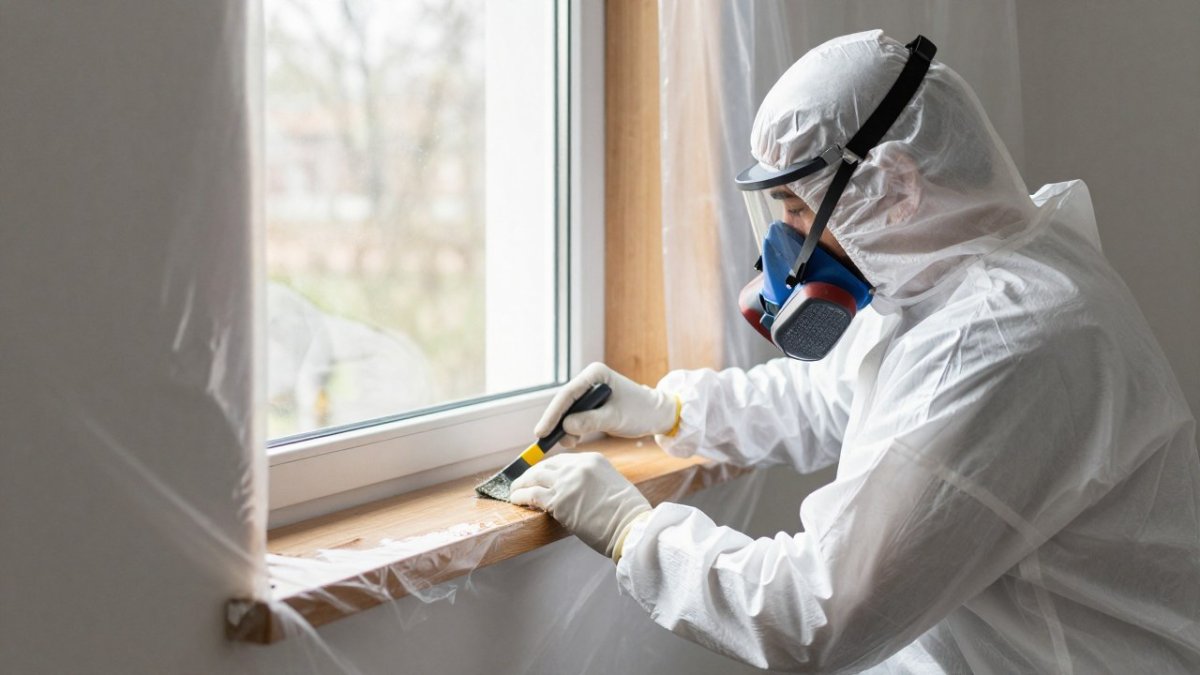
Our team uses professional lead dust containment practices for homes built before 1978. See what to expect during lead abatement before we arrive. Our certified operators provide comprehensive lead risk mitigation and abatement services. Review our safe lead paint removal services and the requirements we follow.
Here is the certified removal process in the order it happens.
| Step | What happens |
|---|---|
| Test first | Certified inspector confirms whether lead paint is present and where |
| Seal the work area | Plastic sheeting and tape create a containment zone |
| Control the dust | Wet methods, HEPA vacuums, and respirators keep particles out of air |
| Remove the paint | Wet scraping, wet sanding, or chemical strippers replace dry sanding |
| Clean and verify | Wet wiping and HEPA vacuuming, then a clearance check |
| Dispose of waste properly | Debris and water are bagged and handled under the rules |
Lead paint in an older home is a real risk, and it is not one to take on alone. Virginia Lead Services sends certified operators who contain dust, remove the hazard, and verify the work meets legal standards. We handle testing, abatement, and lead-safe wall prep so your family can remodel and live safely. Get started with Virginia Lead Services and protect your home from lead exposure.
Frequently Asked Questions
Is it safe to remove lead paint yourself?
No. The EPA and HUD strongly advise against DIY lead paint removal. Sanding, scraping, or using a heat gun on lead paint releases toxic lead dust and fumes that are easily inhaled and spread throughout your home. This poses a serious health risk, especially to children and pregnant people. Professional lead paint removal is the only safe and legal way to address the hazard.
What happens if I inhaled lead paint dust?
Inhaling lead paint dust can cause lead to enter your bloodstream, leading to lead poisoning. Symptoms can include headaches, abdominal pain, fatigue, and irritability. Long-term exposure can cause serious damage to the brain, kidneys, and nervous system. If you suspect you've been exposed, contact your healthcare provider for a blood lead test immediately.
Are there lead paint removal grants available?
Grant availability for lead hazard control varies by program and location, so check with your local health department for current options. Contact Virginia Lead Services to learn about eligibility and application assistance.