 how-to
Dangers of Sanding Lead Paint Yourself
Table of Contents
- Why Sanding Lead Paint Creates Hazardous Dust
- Health Risks of Lead Paint Dust Exposure
- What to Do After Sanding Lead Paint
- Frequently Asked Questions
Last Updated: October 9, 2026
Why Sanding Lead Paint Creates Hazardous Dust
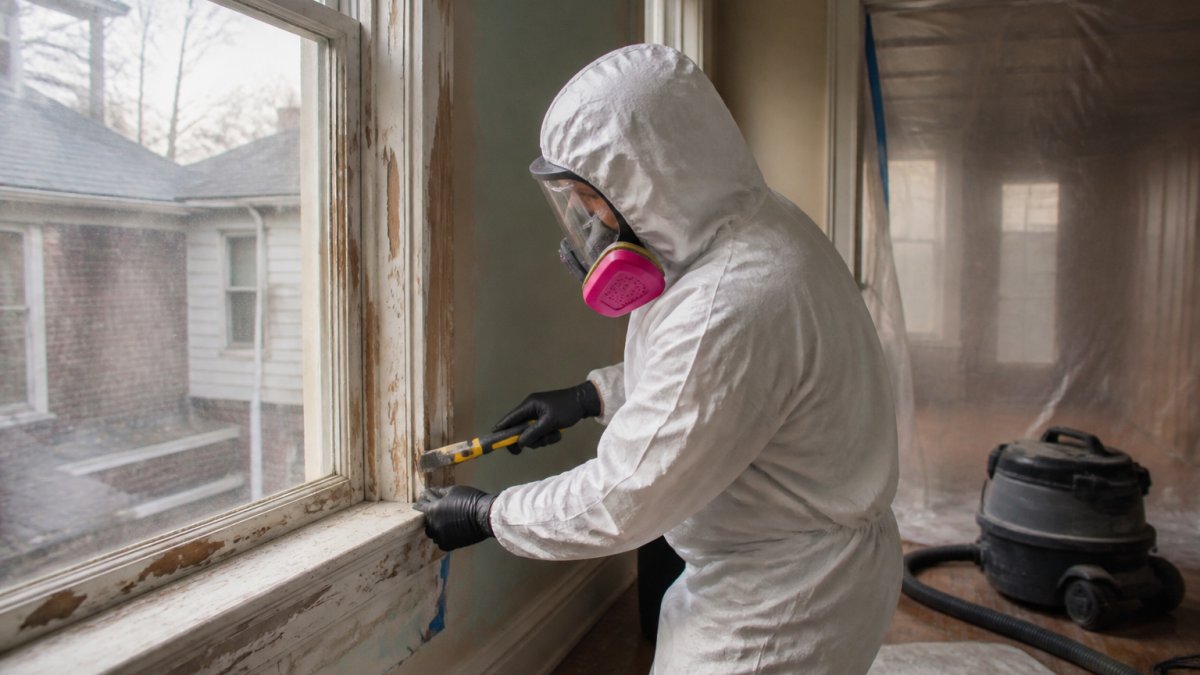
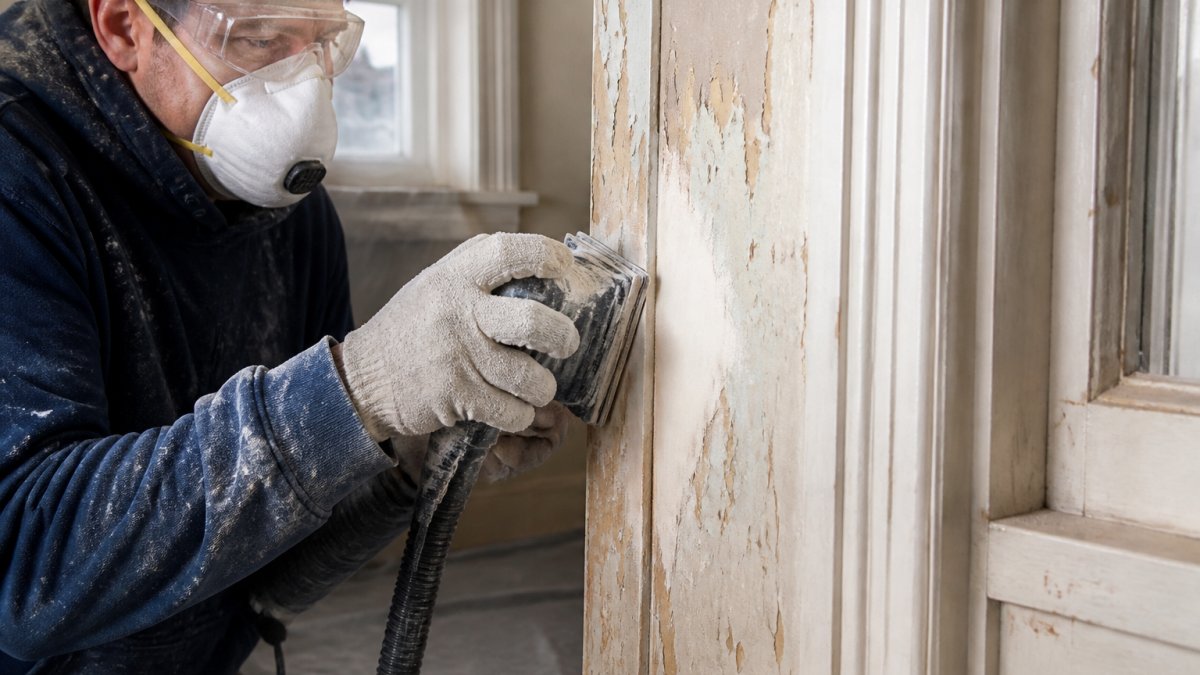
Sanding lead paint is one of the most dangerous DIY mistakes a homeowner can make. In a pre-1978 home, sanding turns solid lead-based paint into fine, airborne particles that become a health hazard the moment they're released.
Lead dust is invisible. A single sanding session can contaminate an entire room and spread beyond it, settling on floors, furniture, and walls and clinging to clothing and skin.
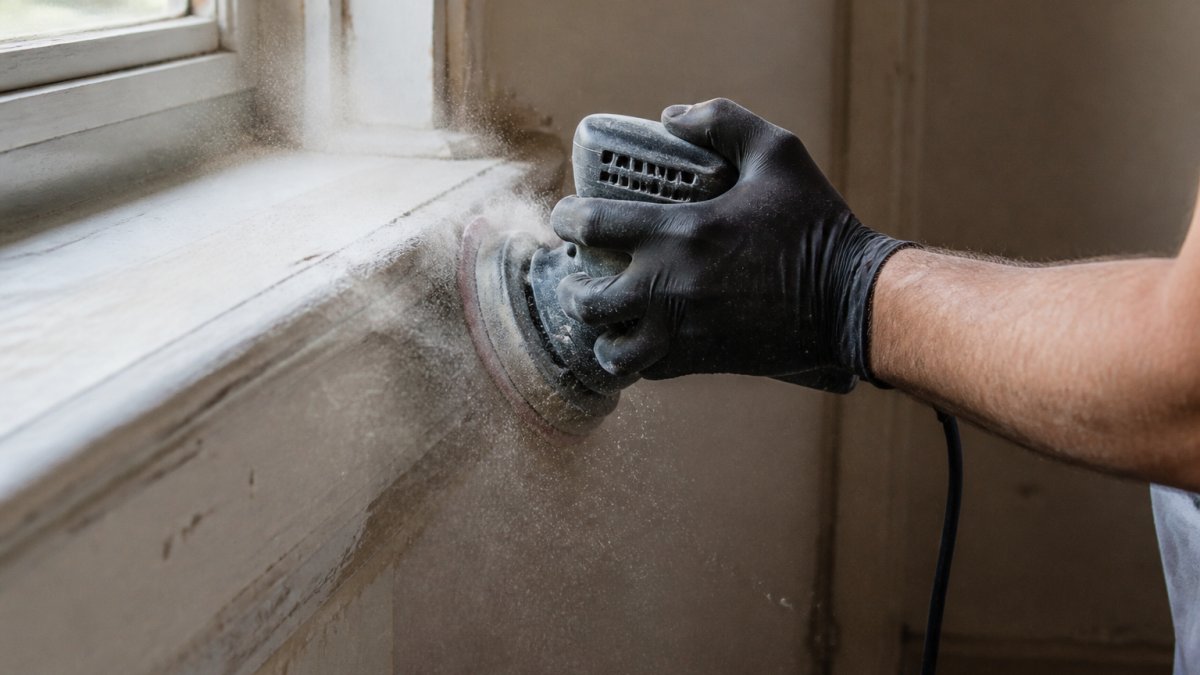
Dry sanding generates the most dust and the finest particles; wet sanding reduces dust but doesn't eliminate the hazard, and even HEPA-equipped tools can't capture every particle.
Health Risks of Lead Paint Dust Exposure
Lead dust enters your body through inhalation and ingestion, breathing airborne particles or swallowing dust that lands on food, hands, or surfaces you touch.
Once lead enters the bloodstream, it causes real damage. Children are most vulnerable, with effects on brain development, learning, and behavior; pregnant people face fetal development risks; adults can develop high blood pressure and kidney damage.
Exposure risk depends on dust amount, duration, and age or health status. A single sanding session can create enough dust to cause measurable blood lead levels, especially in children.
This is why the EPA and health officials recommend against homeowner sanding of lead paint, the risk is documented and serious.
What to Do After Sanding Lead Paint
If sanding has already happened in your home, act immediately.
Step 1: Stop all activity in the work area. Leave the room, close the door, and keep everyone, especially children, out until cleanup is complete.
Step 2: Assess the scope. Note the size of the sanded area, how long sanding lasted, and whether containment was used.
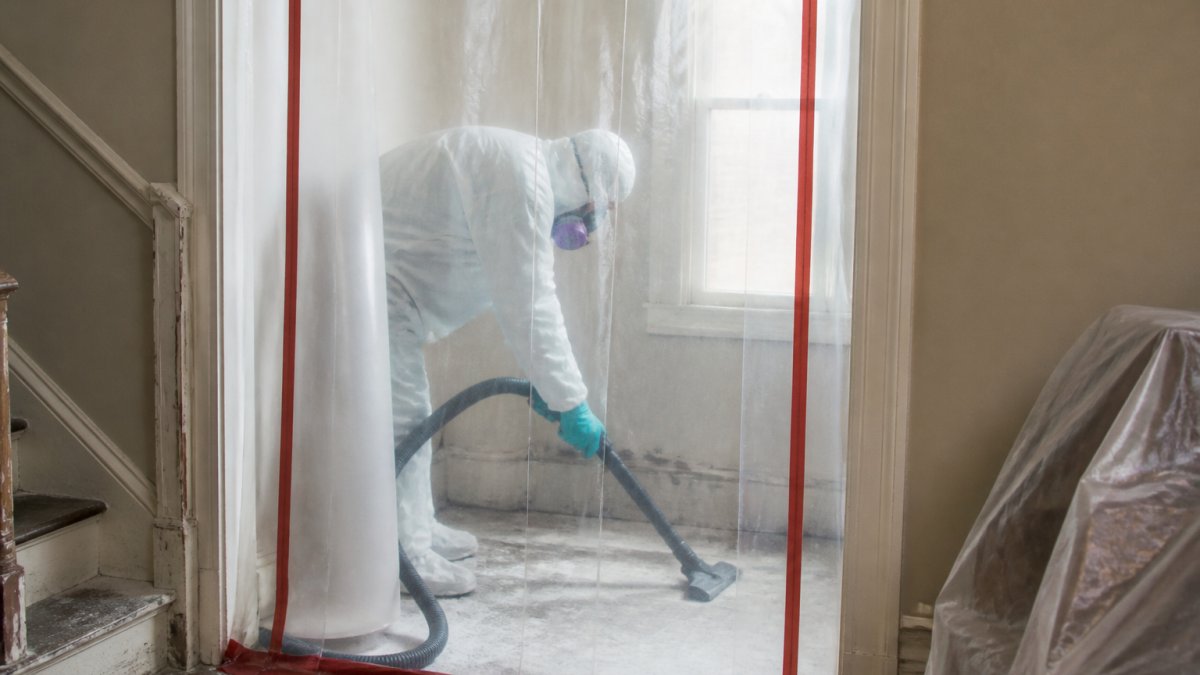
Step 3: Contain the contamination. Seal doorways with plastic sheeting and duct tape to keep dust from spreading.
Step 4: Clean thoroughly. Wet-wipe all surfaces and use HEPA vacuums, never standard vacuums, which spread lead dust further. Dispose of cleaning materials in sealed bags.
Step 5: Consider professional testing and remediation. For a large or extended sanding job, professional help is essential. Virginia Lead Services provides comprehensive lead paint testing, containment, and remediation, with certified operators using advanced dust and particulate containment practices.
Step 6: Get blood lead testing. Contact your doctor about testing for everyone in the home, especially children, to determine whether exposure occurred.
The EPA and health officials recommend professional remediation for lead paint sanding. Homeowners should never attempt this work alone.
Lead paint sanding creates hazards that extend far beyond the work area, and the dust enters your family's bodies through breathing and ingestion. If you've already sanded lead paint, professional remediation is the safest path forward. Virginia Lead Services specializes in protecting families in pre-1978 homes through certified lead abatement, testing, and safe renovation practices, using advanced containment and dust control. Contact us for a comprehensive assessment and peace of mind.
Frequently Asked Questions
What should I do if I've already sanded lead paint?
Stop work immediately and leave the area. Seal off the room to prevent dust spread. Do not attempt cleanup yourself. Contact a certified lead abatement professional to assess contamination and safely remove lead-contaminated materials. If household members may have been exposed, consult a physician about blood lead testing. Document what you sanded and when for professional reference.
How do I know if my home has lead-based paint?
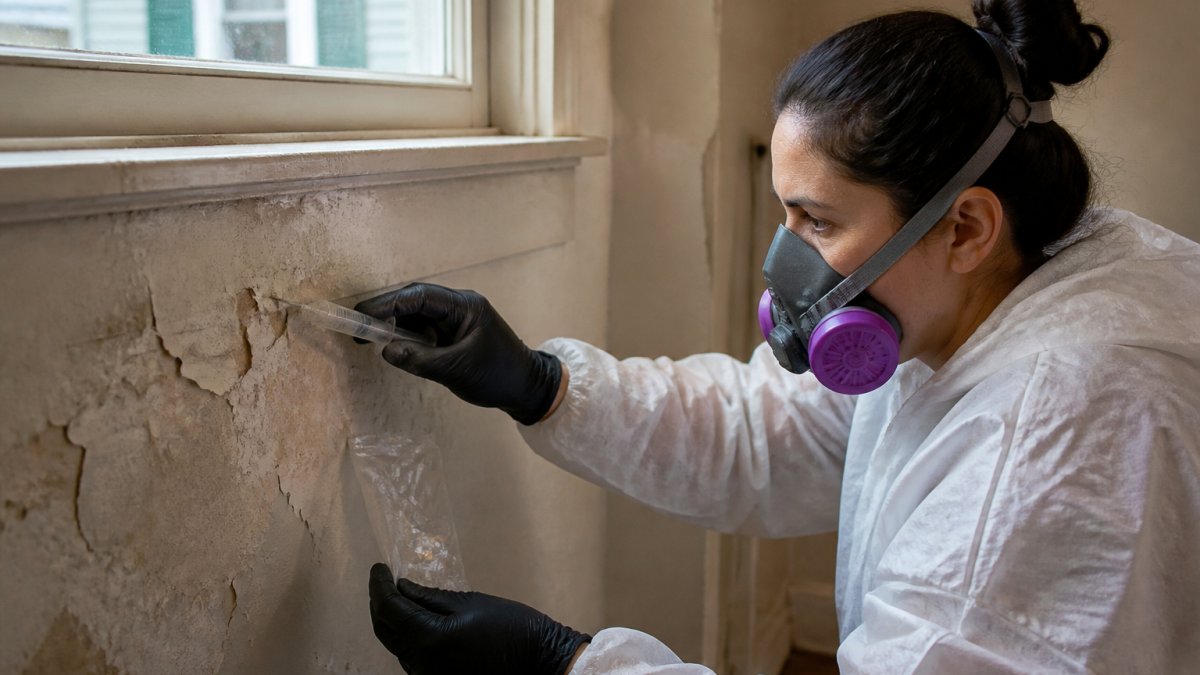
Homes built before 1978 are likely to contain lead-based paint. Professional lead paint testing uses X-ray fluorescence (XRF) or laboratory analysis of paint chips to confirm presence. EPA regulations require testing disclosure during home sales. Virginia Lead Services offers certified testing to identify lead hazards in your home before any renovation work begins.
Can lead dust spread throughout my house if I sand lead paint in one room?
Yes. Airborne lead dust and fine particles travel through air currents, HVAC systems, and on clothing and shoes. Contaminated dust can settle on surfaces throughout your home, creating ingestion and inhalation risks, especially for children and pregnant people. This is why containment and professional dust control are critical, DIY sanding cannot safely contain lead hazards.