 how-to
How to Identify Lead Paint in Older Homes
Table of Contents
- Visual Signs of Lead Paint in Older Homes
- Lead Paint Testing Methods: DIY Kits vs. Professional Testing
- Lead Paint Hazards During Renovation and Why Professional Help Is Essential
- Frequently Asked Questions
Last Updated: October 7, 2026
Visual Signs of Lead Paint in Older Homes
Homes built before 1978 commonly contain lead-based paint (the EPA). To identify lead paint, start by understanding where it typically appears and what visual clues to look for.
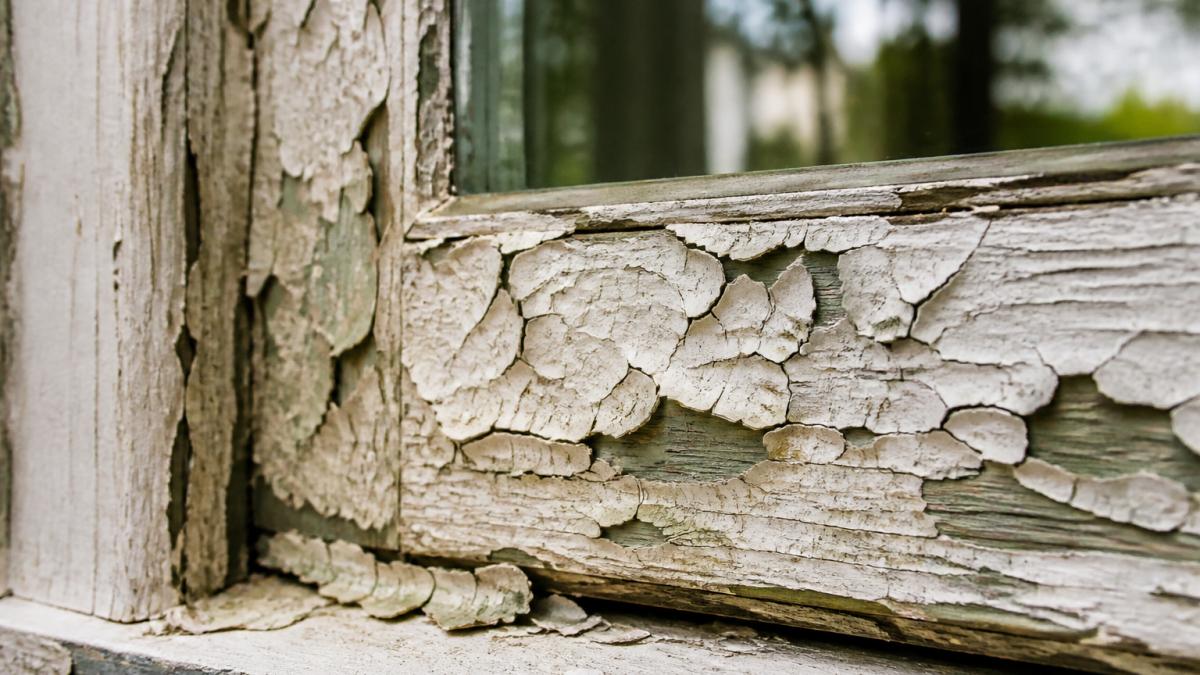
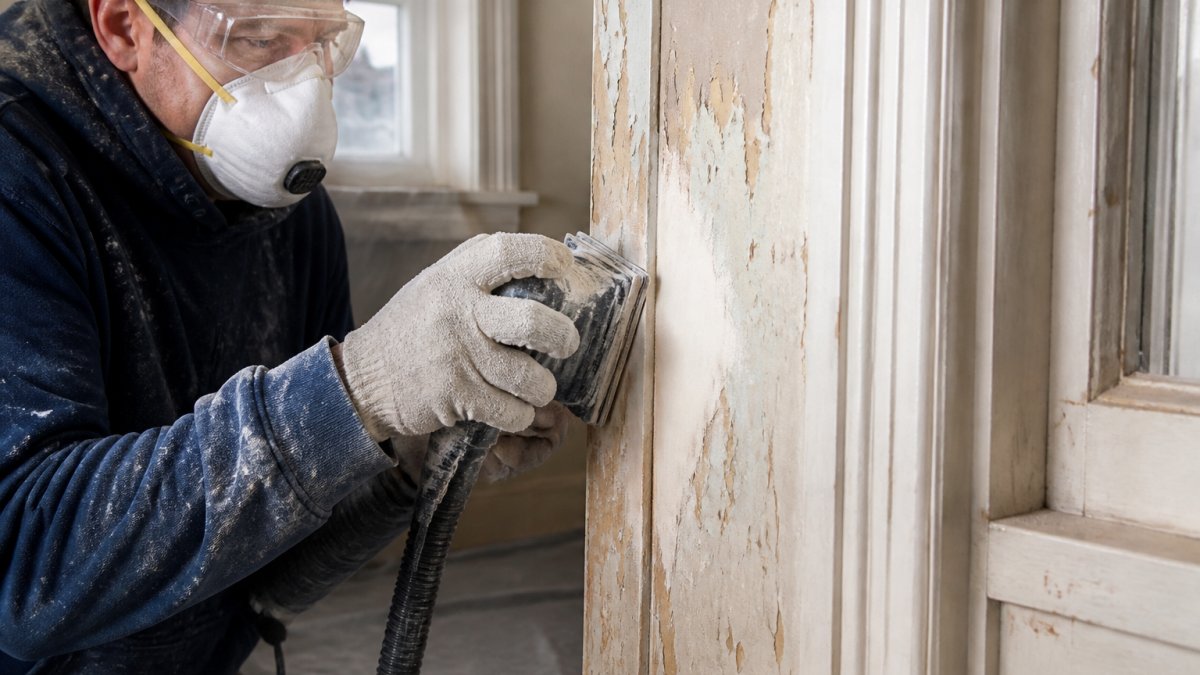
Peeling, chipping, and cracking paint are the most visible warning signs. Look for:
- Paint that flakes or peels from walls, trim, doors, or windows
- Chalky or dusty residue on painted surfaces
- Cracked paint that forms patterns like alligator skin (called alligatoring)
- Paint deterioration on exterior surfaces, especially around windows and doors
However, appearance alone cannot confirm lead content. Old paint may peel simply due to age or moisture. The only way to know for certain is through testing.
Homes built before 1940 are especially likely to contain lead paint (the EPA). Even if paint looks intact, multiple layers underneath may contain lead. Renovation or deterioration can expose these hidden layers and create lead dust hazards.
Lead Paint Testing Methods: DIY Kits vs. Professional Testing
Testing is the only reliable way to identify lead paint. You have two main options: DIY test kits or professional inspection.
DIY test kits offer a quick, affordable first step. These kits use a chemical reaction to detect lead. Follow the kit instructions carefully to avoid contaminating the sample. Results are typically available within minutes.
However, DIY kits have limits. They may produce false positives or false negatives. They cannot measure lead levels or assess overall risk. If a DIY test suggests lead is present, professional testing confirms the findings.
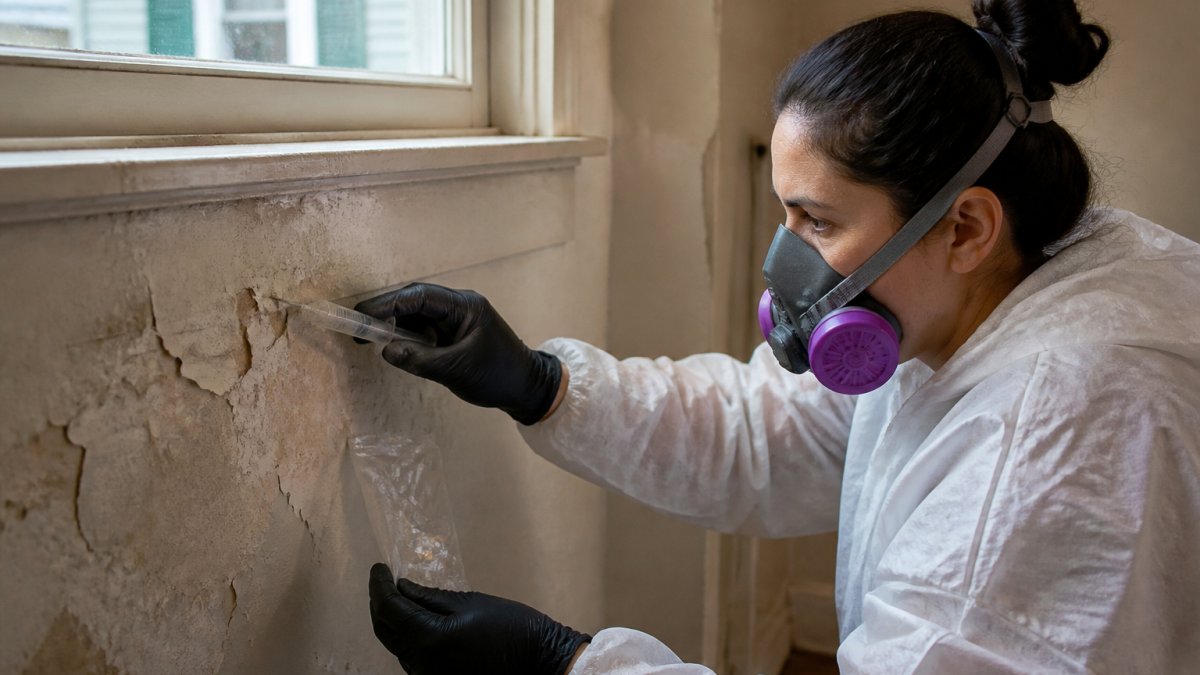
Professional testing provides definitive results. Certified inspectors collect paint samples and send them to laboratories for analysis. This process identifies exactly where lead exists and in what concentrations. Professional results guide safe renovation decisions.
The distinction between a lead inspection and a risk assessment matters. An inspection identifies where lead paint exists. A risk assessment evaluates the actual hazard in your home, considering factors like paint condition, dust levels, and child exposure. Both may be necessary before renovation.
Lead Paint Hazards During Renovation and Why Professional Help Is Essential
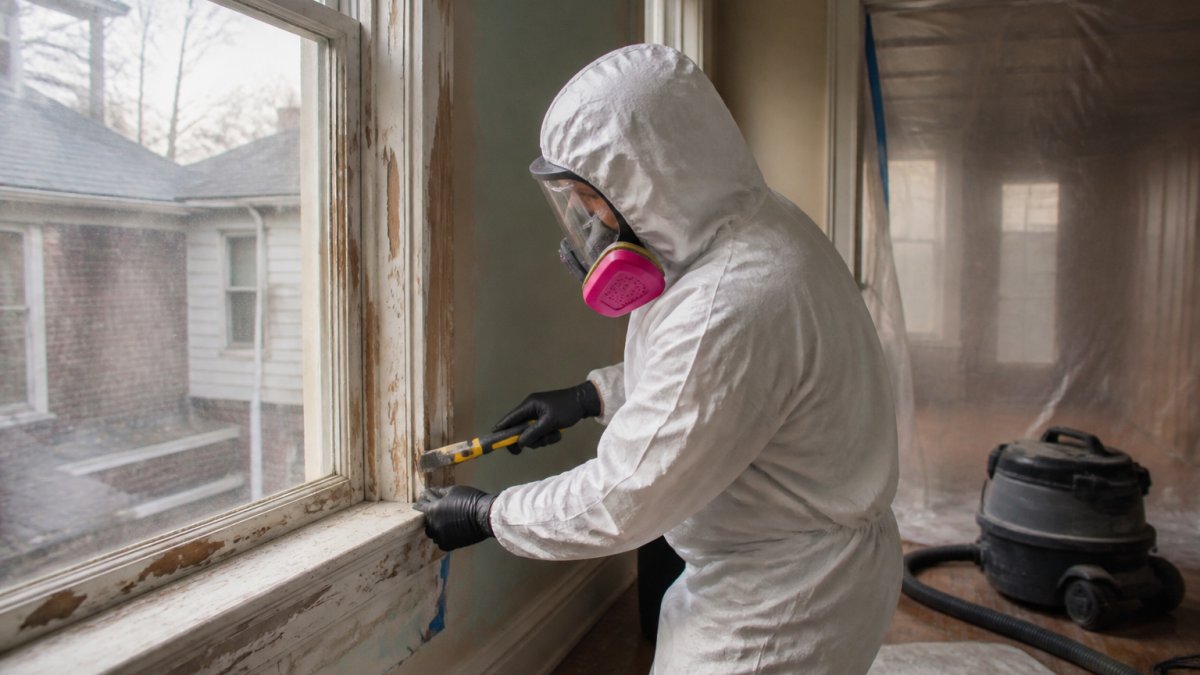
Renovation and deterioration create serious lead hazards. Sanding, scraping, or disturbing lead paint releases lead dust into the air. This dust can be inhaled or ingested, posing significant health risks, especially for children and pregnant women.
Lead exposure affects child development, causing learning delays and behavioral problems (the CDC). In adults, lead can damage the nervous system and kidneys. Protecting your family requires more than identifying lead paint; it requires safe management.
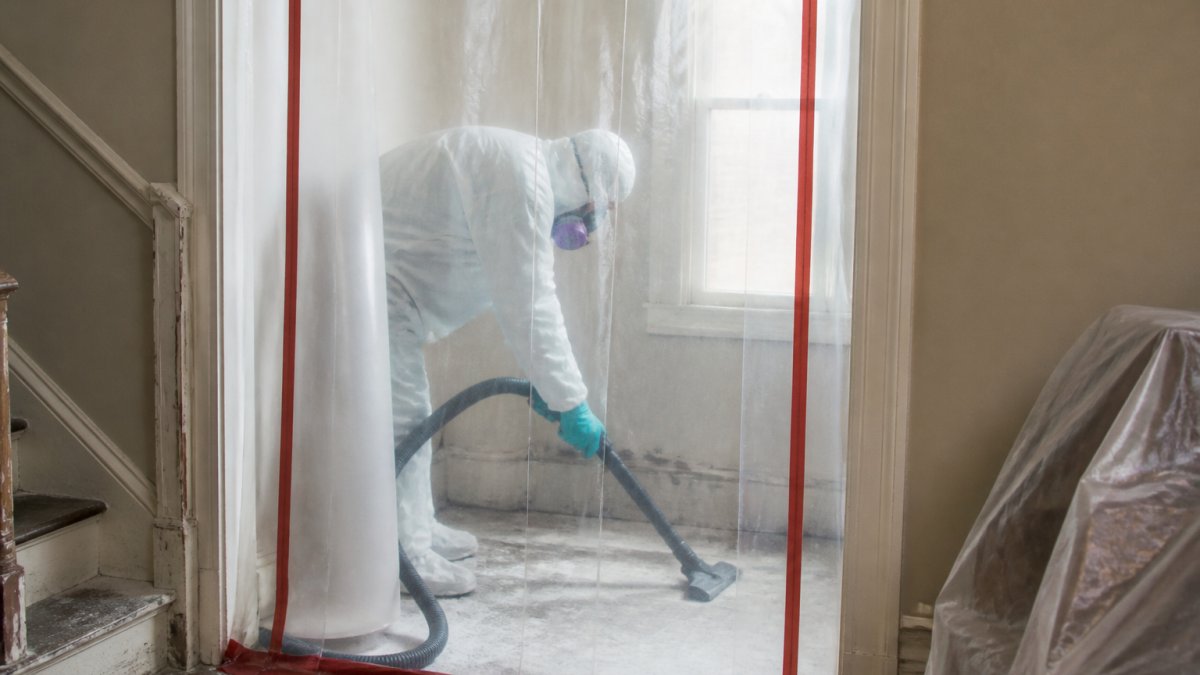
Professional containment and removal prevent dust from spreading throughout your home. Certified operators use specialized equipment and techniques to protect your family and meet all legal requirements.
If you're planning renovation in a pre-1978 home, testing should come first. Once lead is confirmed, professional abatement ensures safe removal. Virginia Lead Services provides comprehensive lead paint management with certified operators trained in dust and particulate containment practices.
Frequently Asked Questions
How can you tell if an older home has lead paint?
Homes built before 1978 are likely to contain lead paint, particularly on windows, doors, and trim. Visual clues include peeling, chipping, cracking, or alligatoring paint, and a chalky appearance. However, appearance alone cannot confirm lead content. Professional testing or certified home inspection is the only reliable way to identify lead paint. Test kits are available but offer less certainty than laboratory analysis.
What should you do if you suspect lead paint in your home?
If paint is deteriorating or you're planning renovation, contact a certified lead inspector or risk assessor. They can perform testing and determine whether abatement is necessary. For homes with young children or pregnant residents, professional assessment is especially important to minimize lead exposure risks.
Are home lead paint test kits reliable compared to professional testing?
At-home test kits can indicate the presence of lead but are less precise than professional laboratory testing. They may produce false positives or miss lead in certain paint layers. Professional testing provides definitive results and includes a comprehensive risk assessment. For renovation projects or homes with children, professional testing is strongly recommended to ensure accurate identification and appropriate safety measures.
Identifying lead paint is the first step toward protecting your family. Visual signs like peeling paint warrant testing, but appearance alone cannot confirm lead content. Professional testing and safe removal are essential for homes built before 1978, especially during renovation. Contact Virginia Lead Services to learn how our certified operators can help you manage lead paint safely and meet all regulatory requirements for your home.