 how-to
What to Expect During Lead Abatement
Table of Contents
- Understanding the Lead Abatement Process
- Lead Paint Containment and Dust Control During Work
- How Long Does Lead Abatement Take and What Happens After
- Frequently Asked Questions
Last Updated: October 11, 2026
Understanding the Lead Abatement Process
Lead abatement is the process of safely removing or containing lead-based paint and lead-contaminated materials from your home by certified professionals who protect your family from one of the most serious environmental health risks in older homes (the CDC).
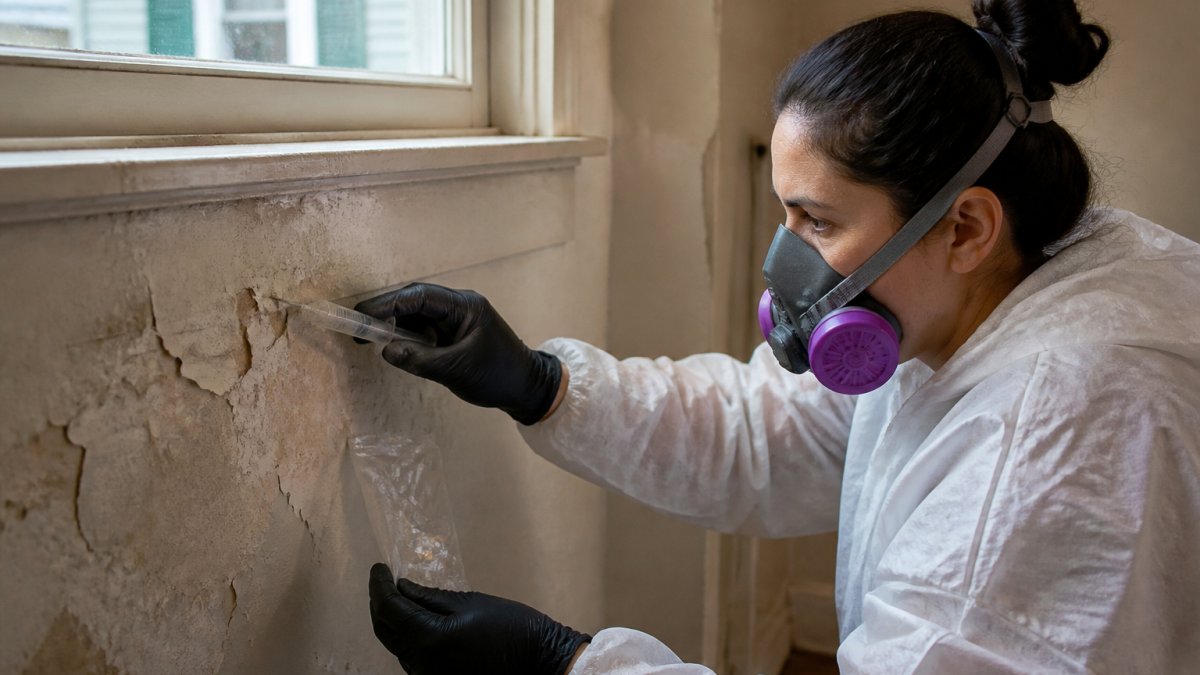
The process begins with a lead paint inspection and testing by a certified individual to identify hazards, since lead dust and contaminated debris spread throughout living spaces if not handled correctly.
Once hazards are identified, your contractor develops a work plan outlining abatement methods, paint removal, encapsulation, enclosure, or material replacement, based on location, surface condition, and your family's needs.
Lead Paint Containment and Dust Control During Work
During abatement work, certified contractors use multiple layers of protection to prevent lead dust from spreading, a critical difference from uncertified work.
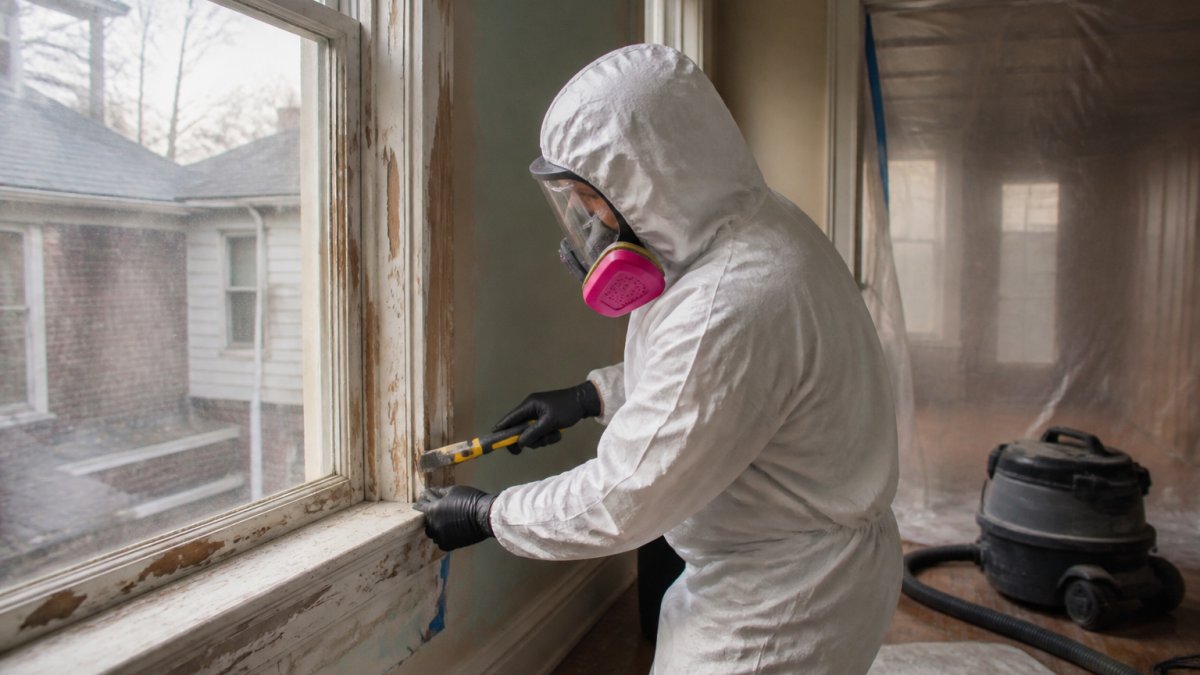
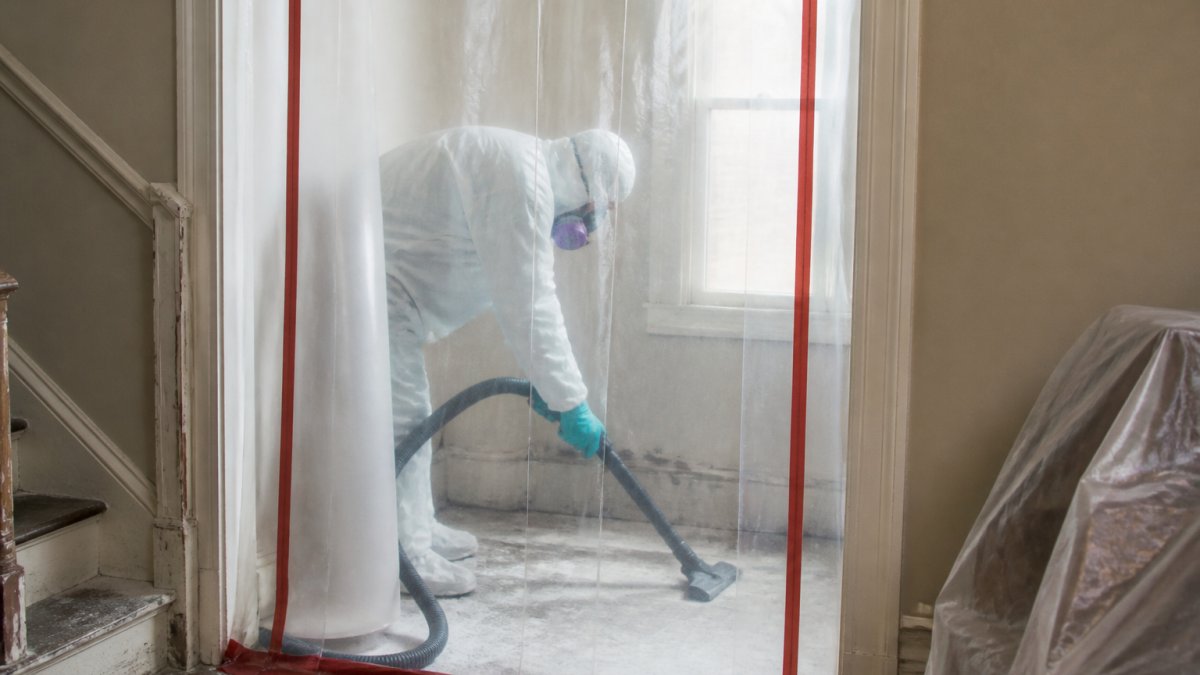
Work areas are sealed with protective sheeting and containment barriers on walls, floors, furnishings, and exterior ground areas to catch falling debris.
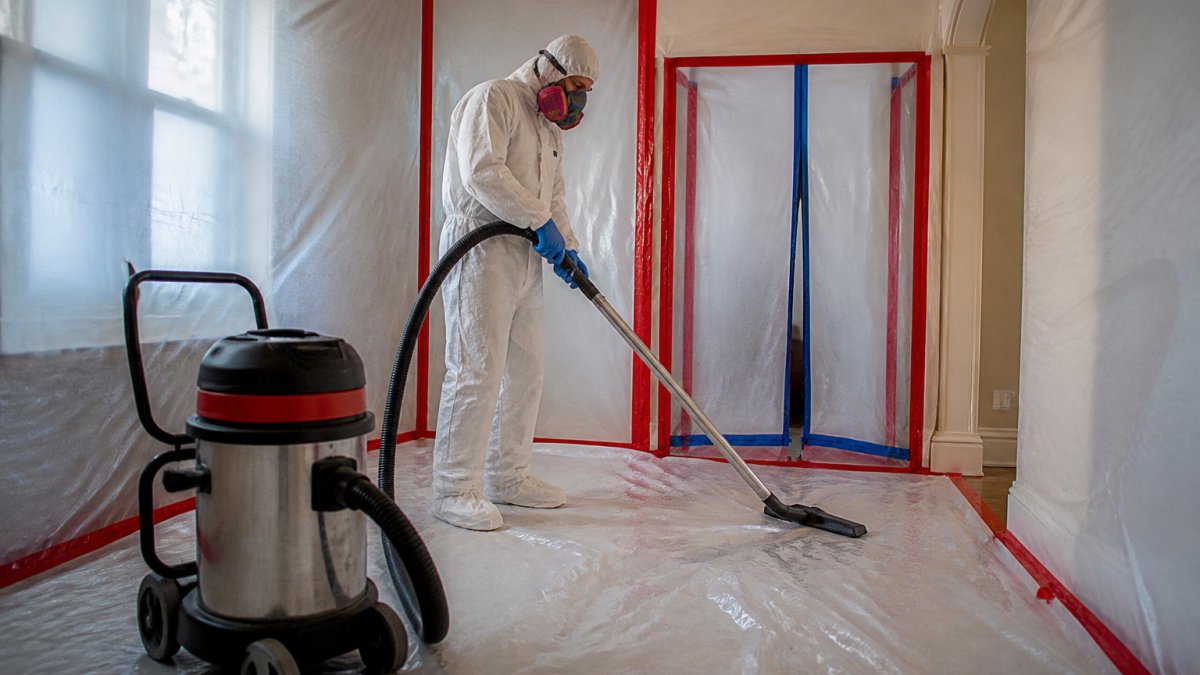
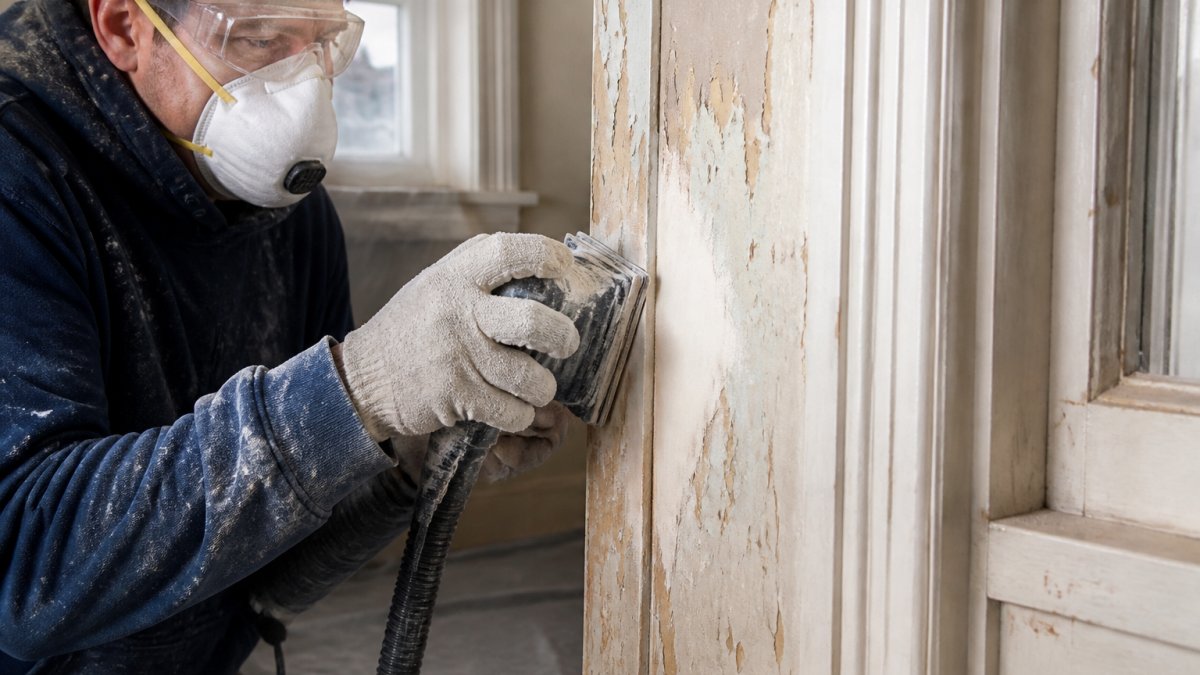
Contractors use wet methods, applying water before scraping, and HEPA vacuums to capture particles, while workers wear protective clothing, gloves, and lead-rated respirators.
Lead-contaminated debris is sealed and disposed of per regulations, and HVAC systems are sealed to prevent dust circulation.
How Long Does Lead Abatement Take and What Happens After
Lead abatement timelines vary by scope: single rooms take days, whole-house projects typically take one to two weeks or longer.
Families must relocate during active work since lead dust settles on belongings and skin; clearance testing after completion determines when re-entry is safe.
A certified individual performs post-abatement inspection and clearance testing. Dust samples are collected from floors, windowsills, and other surfaces. If results show lead levels below safe thresholds, you receive clearance to return home.
If clearance testing fails, your contractor returns to perform additional cleanup or containment work. The space is tested again until it passes. You should not re-enter your home until clearance is confirmed in writing.
Virginia Lead Services provides comprehensive lead abatement with certified operators who understand containment, dust control, and the regulations that protect your family. We handle testing, work planning, and post-abatement clearance so you can return home safely.
Frequently Asked Questions
What does lead abatement actually involve?
Lead abatement is the professional process of removing, encapsulating, or enclosing lead-based paint hazards in homes built before 1978. A certified contractor performs a lead paint inspection and risk assessment, then uses specialized methods like paint removal, scraping, encapsulation, or enclosure to reduce lead exposure. The work includes strict containment, dust control with HEPA vacuums, protective equipment for workers, and post-work clearance testing to verify the hazard has been reduced.
Can I stay in my home during lead abatement?
This depends on the scope of work and the contractor's recommendations. For localized abatement projects, you may be able to remain in unaffected areas with proper containment barriers in place. However, many projects require temporary relocation of household members, especially children and pregnant women, to minimize exposure during dust-generating activities. Your certified contractor will advise you on occupant protection and whether relocation is necessary for your specific project.
How do I know the lead abatement work was done correctly?
After work is complete, a certified individual performs lead abatement clearance testing to verify that dust levels are below safe thresholds. The contractor will conduct a post-abatement inspection and provide documentation of all work performed. Ask your contractor about their credentials, certifications, and the clearance testing process upfront. Reputable providers like Virginia Lead Services use certified operators and follow lead-safe work practices to ensure compliance with regulatory requirements.
Protecting your family from lead hazards requires professional expertise and careful execution. Lead abatement is not a DIY project. Working with certified professionals ensures your home meets all regulatory requirements and your family stays safe from lead exposure during the renovation process.