 How-to
How to Plan Interior Demolition in Central Virginia
Quick Summary
Test for lead paint before any interior demolition in Central Virginia begins, starting with any wall, ceiling or trim that comes down. Homes built before 1978 are most likely to contain it, and disturbing painted surfaces can release lead dust. Lead-based paint testing is generally restricted to licensed professionals, so hire a licensed firm for interior demolition removal in central in Virginia.
- Homes built before 1978 are the ones most likely to contain lead paint.
- Lead dust from disturbed painted surfaces is dangerous for children and pregnant women.
- Lead-based paint testing is generally restricted to licensed professionals.
- If lead is confirmed, do not start removal yourself; hire a licensed firm.
- Ask for written test results before any demolition work begins.
Table of Contents
- Test for Lead Paint Before Any Interior Demolition Begins
- Follow Lead-Safe Renovation Practices During Removal Work
- Get Lead Paint Removal Services and Debris Handling Lined Up Before You Start Demolition
- Frequently Asked Questions
Test for Lead Paint Before Any Interior Demolition Begins
Last Updated: November 14, 2026
Planning interior demolition in an older Central Virginia home? Testing for lead paint is recommended before any interior demolition begins, starting with any wall, ceiling or trim that comes down. Homes built before 1978 are the ones most likely to contain it, and disturbing painted surfaces can release lead dust that children and pregnant women should not breathe (the EPA).
Lead-based paint testing is governed by federal and state rules, and lead-based paint activities such as inspections and risk assessments are generally restricted to licensed professionals. The EPA lead-based paint program guidance explains which renovations trigger those requirements.
If testing confirms lead, do not start removal yourself. Read how lead paint is safely removed for a professional overview of the process. Hire a licensed firm and ask for written results before work begins.
Follow Lead-Safe Renovation Practices During Removal Work
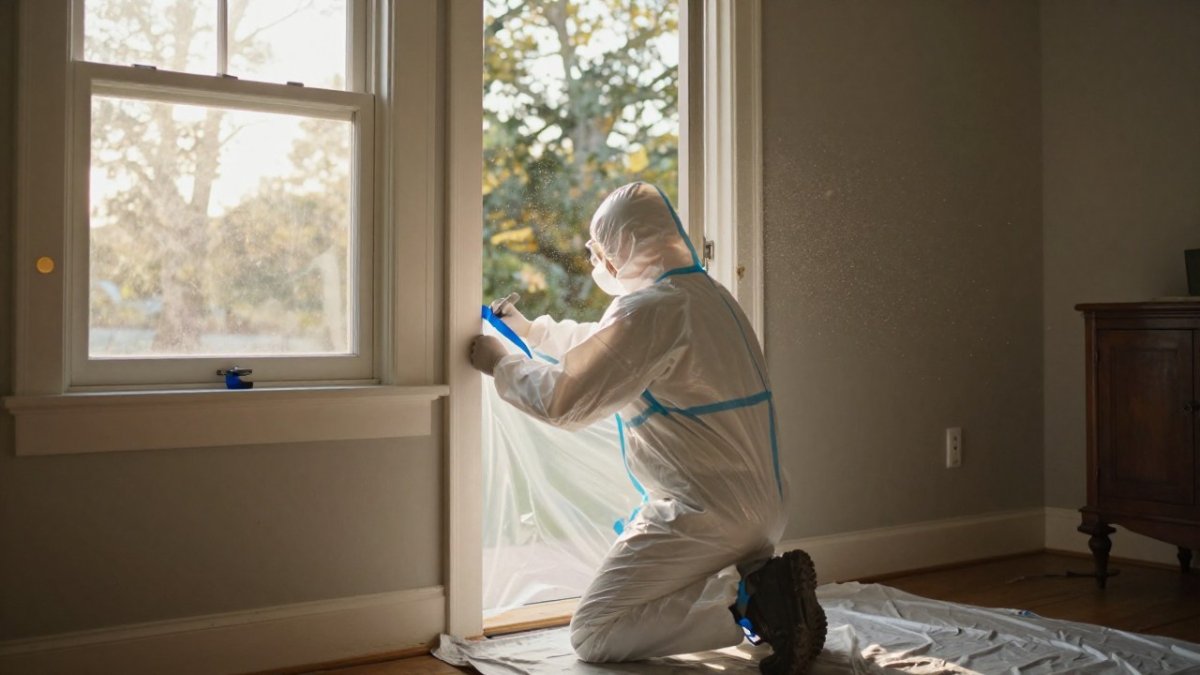
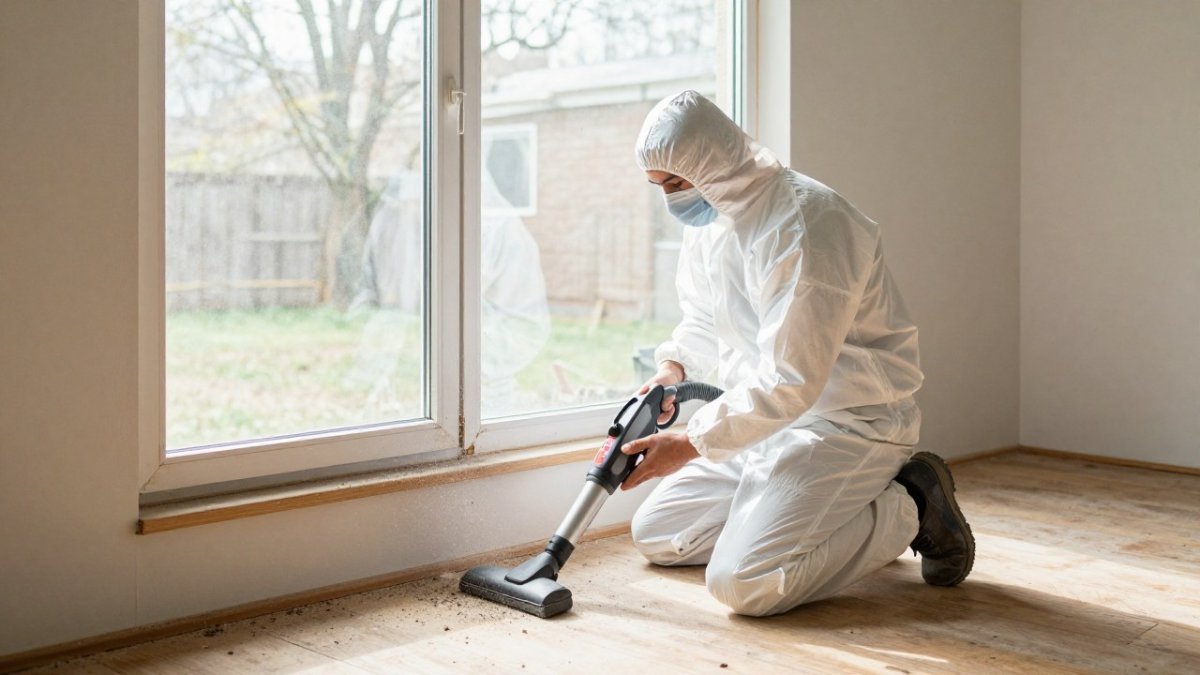
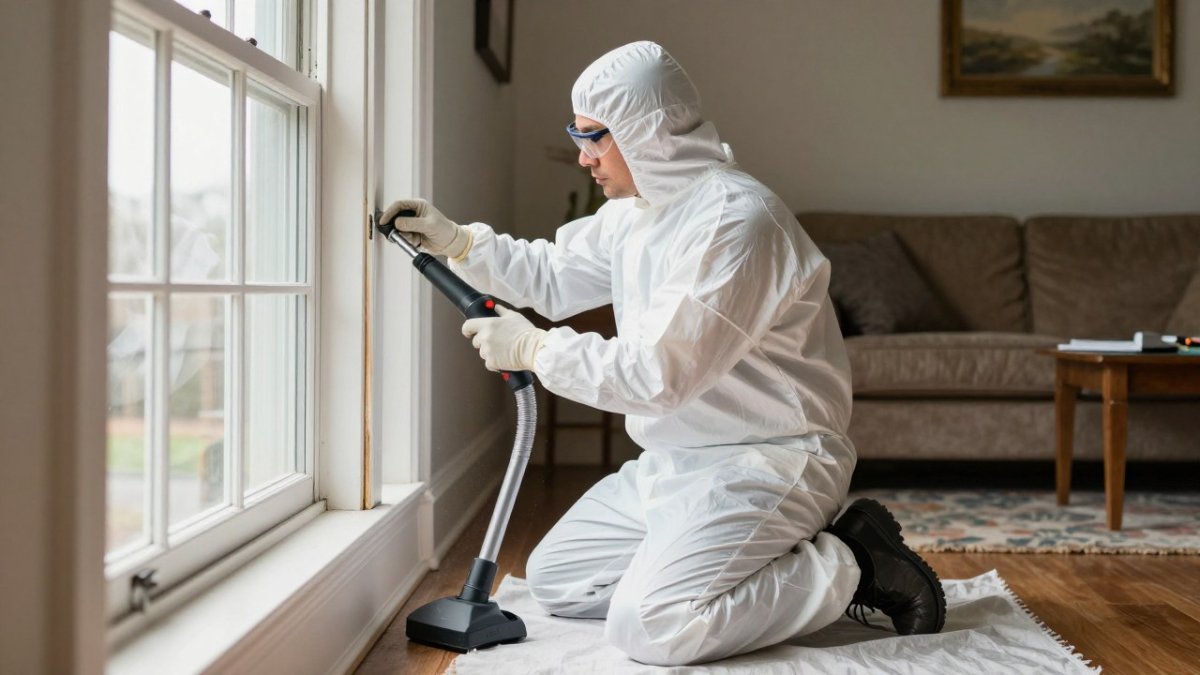
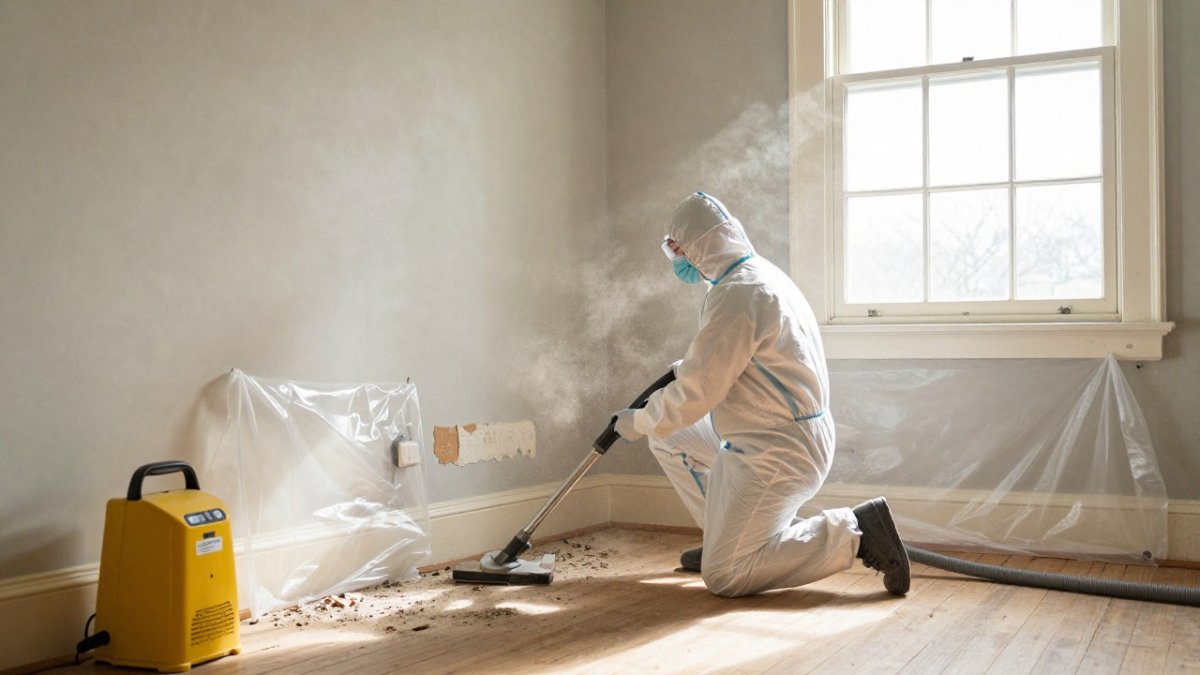
Lead-safe work limits dust and debris from spreading through the rest of the house. Lead-safe work limits dust and debris from spreading through the rest of the house, which is why careful containment and dust control matter. Because older materials can require precautions beyond ordinary dust control, Mint Restoration can help you consider how asbestos-related work fits into a safe demolition plan.
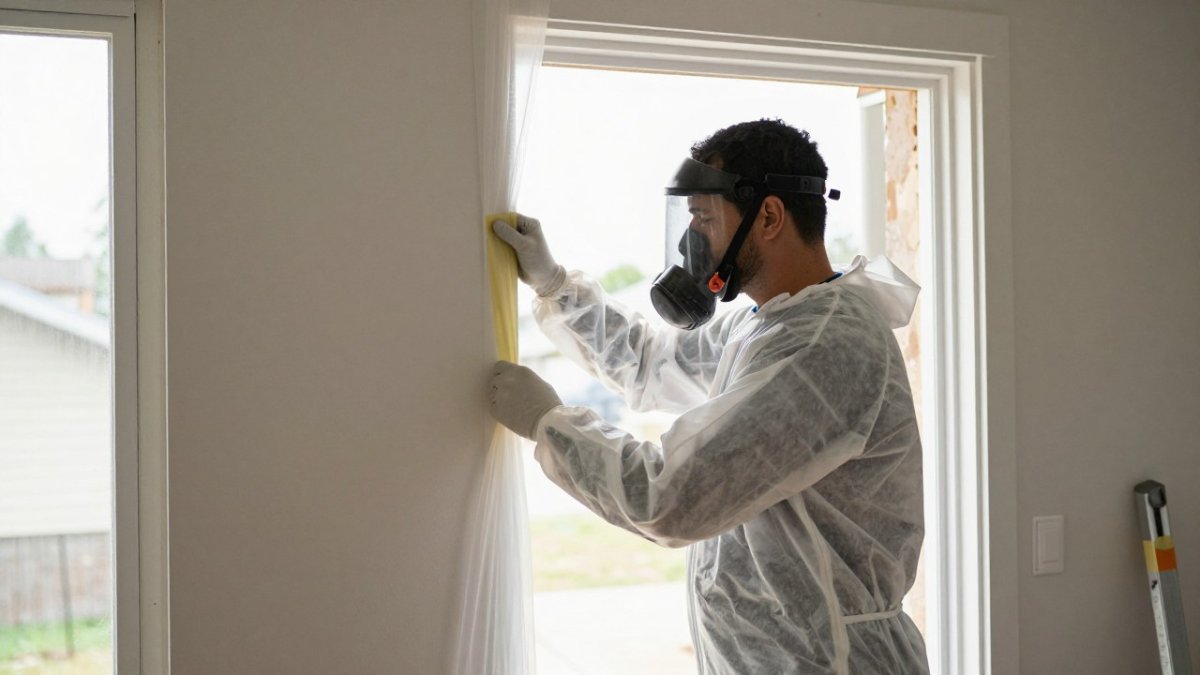
Renovation firms working on pre-1978 homes generally must follow the EPA Renovation, Repair and Painting rule when disturbing painted surfaces. Find out which Virginia homes must follow lead safe renovation requirements and what the EPA RRP rules demand during removal work.
Lead-safe work keeps dust and debris from spreading through the rest of the house. The main points are summarised below.
| Topic | Key point | Source rule |
|---|---|---|
| Homes at risk | Built before 1978 | Pre-1978 homes |
| Who is at risk | Children and pregnant women | Lead dust exposure |
| Who may do testing | Licensed professionals | Federal and state rules |
| Main goal | Limit dust and debris spread | Lead-safe work |
| Governing rule | EPA Renovation, Repair and Painting rule | Pre-1978 renovations |
Get Lead Paint Removal Services and Debris Handling Lined Up Before You Start Demolition
Booking lead paint removal and debris handling before interior demolition removal in central in Virginia keeps the schedule on track. Virginia Lead Services provides lead paint management, including testing, abatement, and lead-safe renovation and repair services for homes built prior to 1978. Request a consultation to discuss your project, or learn more about our services.
Frequently Asked Questions
When should lead paint be tested before interior demolition?
Test before any interior demolition starts if the home was built before 1978, since lead paint was common in that era. Testing identifies which surfaces contain lead so the crew can plan containment, dust control and disposal before walls, trim or floors come out. Ask the testing provider for a written report that lists the locations sampled. Results guide whether the work can proceed with standard lead-safe practices or needs a more involved abatement plan.
What are the risks of disturbing lead paint during renovation?
Sanding, scraping, cutting, or breaking painted surfaces releases lead dust and chips that children and adults can swallow or inhale. Young children are especially vulnerable because their developing brains absorb lead more readily, and the dust settles on floors, windowsills and toys where it can be ingested. Lead dust can also be tracked into other rooms and carried on clothing. Keeping work areas sealed and cleaned with proper methods limits exposure for everyone in the home.
What should homeowners ask an interior demolition contractor about lead?
Ask whether the contractor is certified for lead-safe work and whether the crew follows lead-safe renovation practices in homes built before 1978. Request a written description of how the work area will be contained, how dust will be controlled, and how debris will be bagged and removed. Ask who handles the required testing and clearance, and whether that is included in the quote. Clear answers to these questions show whether the contractor plans for lead hazards from the start.