 Ultimate guide
Lead Safe Renovation Requirements in Virginia for 2026
Last Updated: October 30, 2026
Quick Summary
Lead safe renovation requirements in Virginia apply to renovation work on pre-1978 homes and child-occupied facilities that may disturb lead-based paint, and they generally follow the federal EPA Renovation, Repair and Painting Rule. Coverage depends on the property's age, the type of work, and who performs it, so confirm applicability before starting any project.
- The EPA Renovation, Repair and Painting Rule governs renovation work that disturbs lead-based paint in pre-1978 housing.
- Contractors and firms performing this work generally need certification.
- Work must follow lead-safe practices designed to limit dust and debris.
- Testing before renovation determines whether lead-based paint is present in areas you plan to disturb.
- Confirm that a contractor holds the credentials required under current federal and state rules before hiring.
Table of Contents
- What Lead Safe Renovation Requirements Apply in Virginia in 2026
- The EPA Renovation, Repair and Painting Rule and Who Must Follow It
- Lead Paint Testing Before Renovation and Lead Abatement Versus Renovation, and Choosing a Lead-Safe Certified Contractor for Your Project
- Frequently Asked Questions
What Lead Safe Renovation Requirements Apply in Virginia in 2026
Homeowners and landlords in Virginia working on pre-1978 homes face specific federal and state lead safe renovation requirements in Virginia, whether the job is a kitchen update, window replacement, or full remodel. At Virginia Lead Services, the same question comes up repeatedly: does this project trigger lead-safe requirements, and what must be done differently?
Many property owners assume small jobs fall outside the rules. Coverage depends on the property's age, the work performed, and who is doing it, so confirm which lead safe renovation requirements in Virginia apply before work begins.
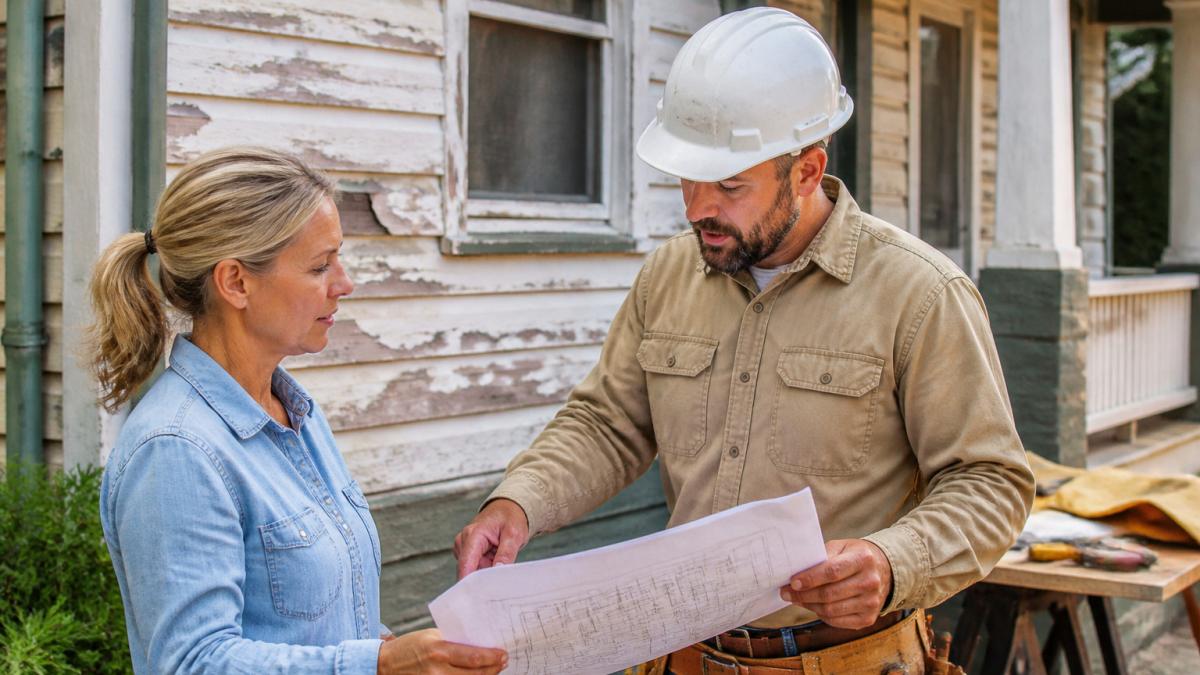
The EPA Renovation, Repair and Painting Rule and Who Must Follow It
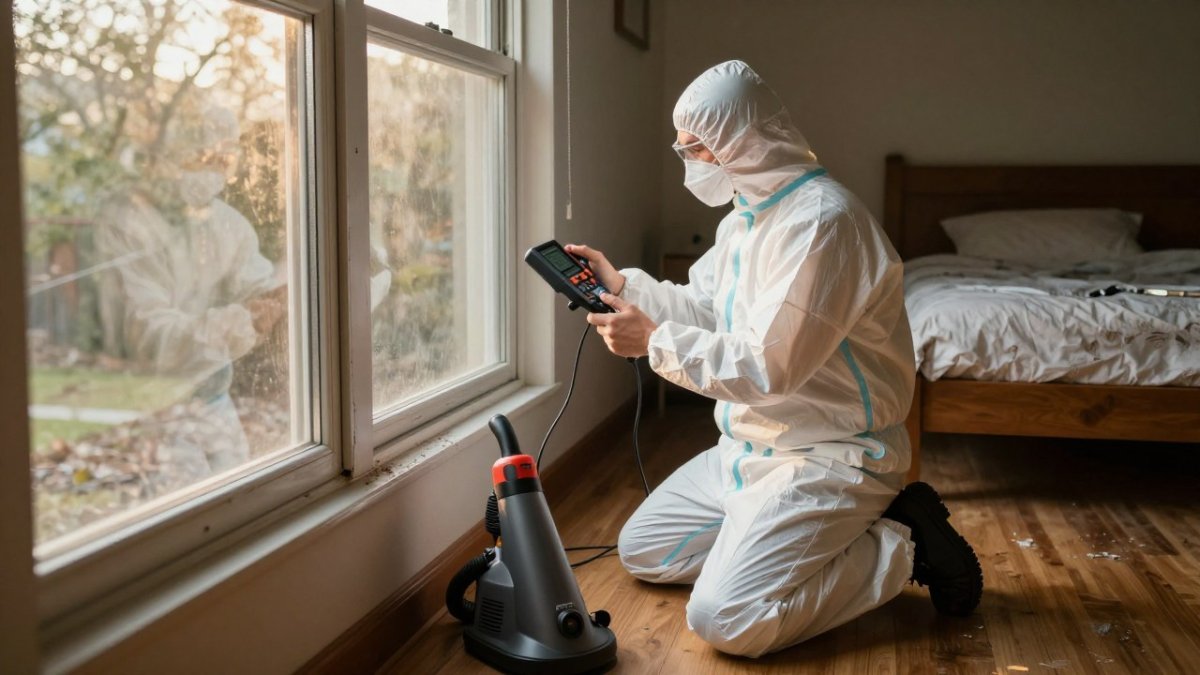
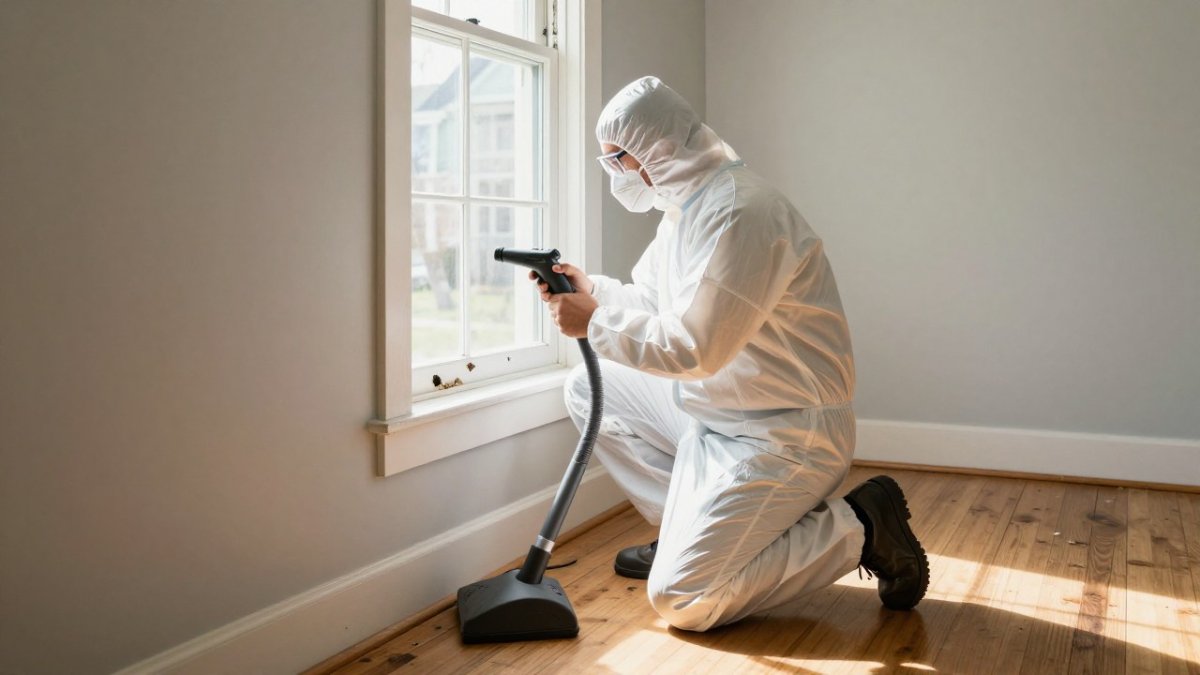
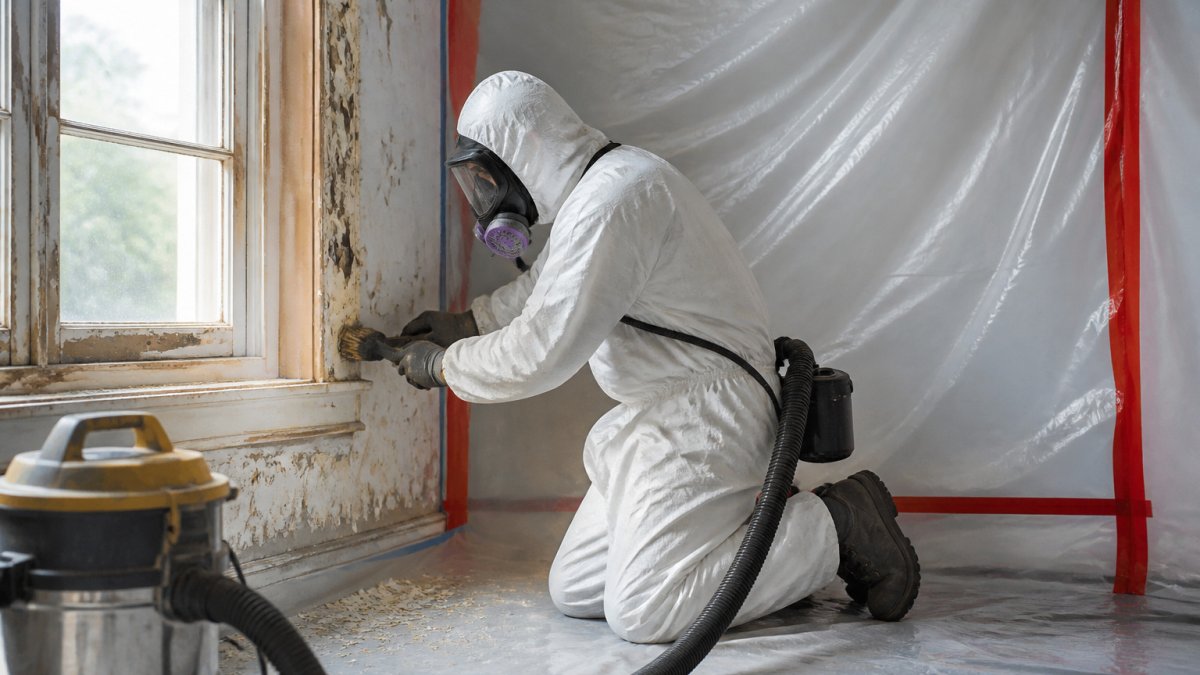
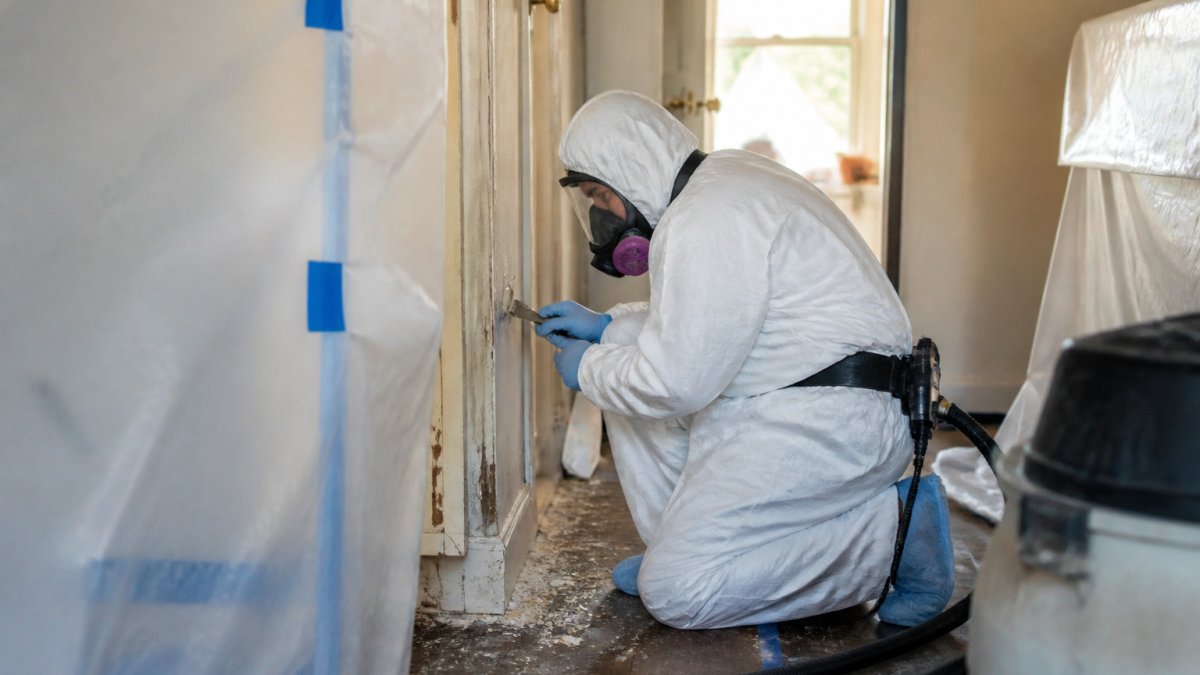
The EPA Renovation, Repair and Painting Rule governs renovation work that disturbs lead-based paint in pre-1978 housing and child-occupied facilities. Contractors and firms performing this work generally need certification, and the work must follow lead-safe work practices designed to limit dust and debris.
Consult the official source for current requirements and state-level program details on certification and who it applies to.
Lead Paint Testing Before Renovation and Lead Abatement Versus Renovation, and Choosing a Lead-Safe Certified Contractor for Your Project
Testing before renovation determines whether lead-based paint is present in areas you plan to disturb. Virginia Lead Services offers lead-safe renovation and abatement services, and you can request a consultation for current pricing.
When choosing a contractor, confirm the firm holds the credentials required under current federal and state rules. Review the lead abatement licensing requirements and how to verify contractor credentials before you hire.
Lead safety affects everyone in the home, especially young children and pregnant women (the CDC). For testing options, see lead paint testing in Virginia; for project planning, lead-safe renovation services explains how this work is carried out.
Frequently Asked Questions
Which homes are covered by lead-safe renovation rules?
Federal lead-safe renovation requirements under the EPA Renovation, Repair and Painting Rule generally apply to renovation work performed for compensation in homes, child-occupied facilities and other target housing built before 1978. Because lead paint was widely used before the federal ban in 1978, pre-1978 properties are the focus. Owners of rental properties, real estate investors and homeowners planning remodeling work in these older homes should confirm the scope of the rule and any state requirements that apply to their specific project before work begins.
Who must follow the EPA Renovation, Repair and Painting Rule?
Contractors and firms paid to perform renovation, repair or painting work that disturbs lead-based paint in pre-1978 housing must follow the EPA Renovation, Repair and Painting Rule. Firms must be EPA-certified, and the workers doing the disturbing work must be trained as certified renovators. Work practices such as containing dust, avoiding open-flame burning and high-speed sanding, and cleaning the work area with lead-safe methods are required. Recordkeeping and disclosure to occupants are also part of the rule.
How can homeowners verify a contractor's lead-safe credentials?
Ask the contractor for their EPA firm certification number and confirm it on the EPA's published list of certified firms. Ask which workers on your project hold certified renovator training. Request written descriptions of the lead-safe work practices they will use, such as dust containment and post-work cleaning verification.
Planning a renovation in an older Virginia home? Virginia Lead Services can review your project, explain which requirements apply, and outline a lead-safe approach before work starts.