 How-to
Keeping Children Safe During Remodeling: A Lead-Safe Guide
Quick Summary
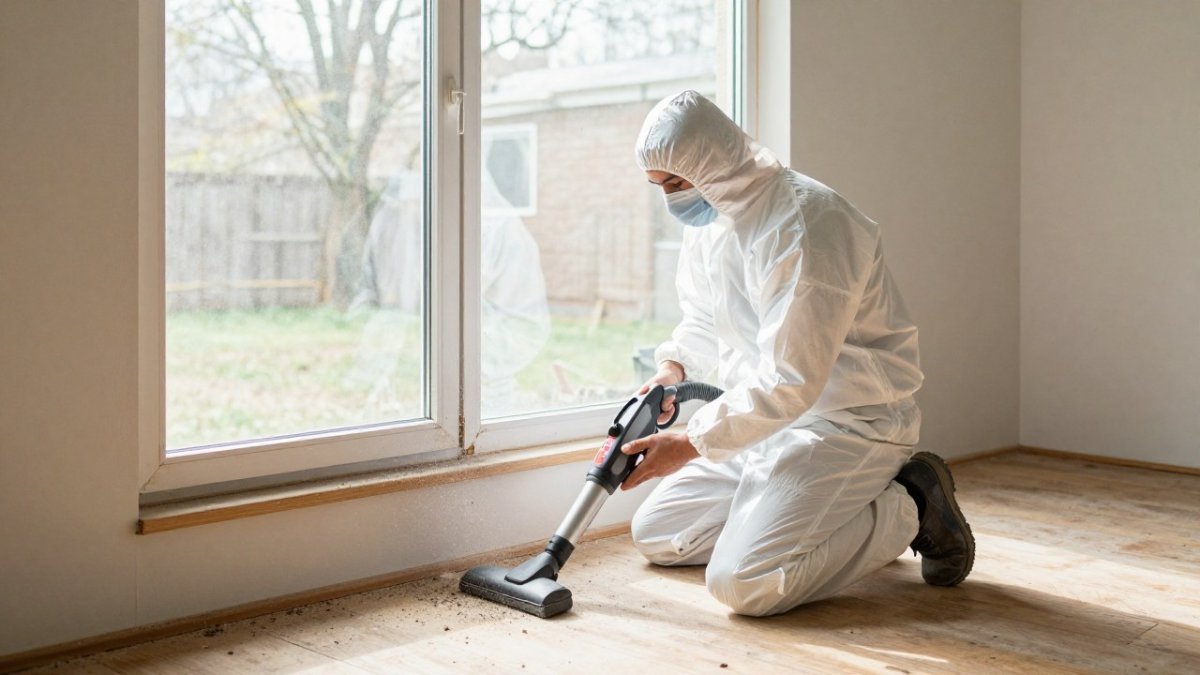
Children stay safe during remodeling in older homes by keeping them out of the work zone and away from lead dust. Homes built before 1978 may contain lead paint, and sanding, scraping, cutting, or demolishing painted surfaces spreads dust that children can swallow, so children safe remodeling depends on sealing the work area and keeping children in a clean area of the home.
- Lead paint was banned for residential use in 1978, so check whether the home was built before then.
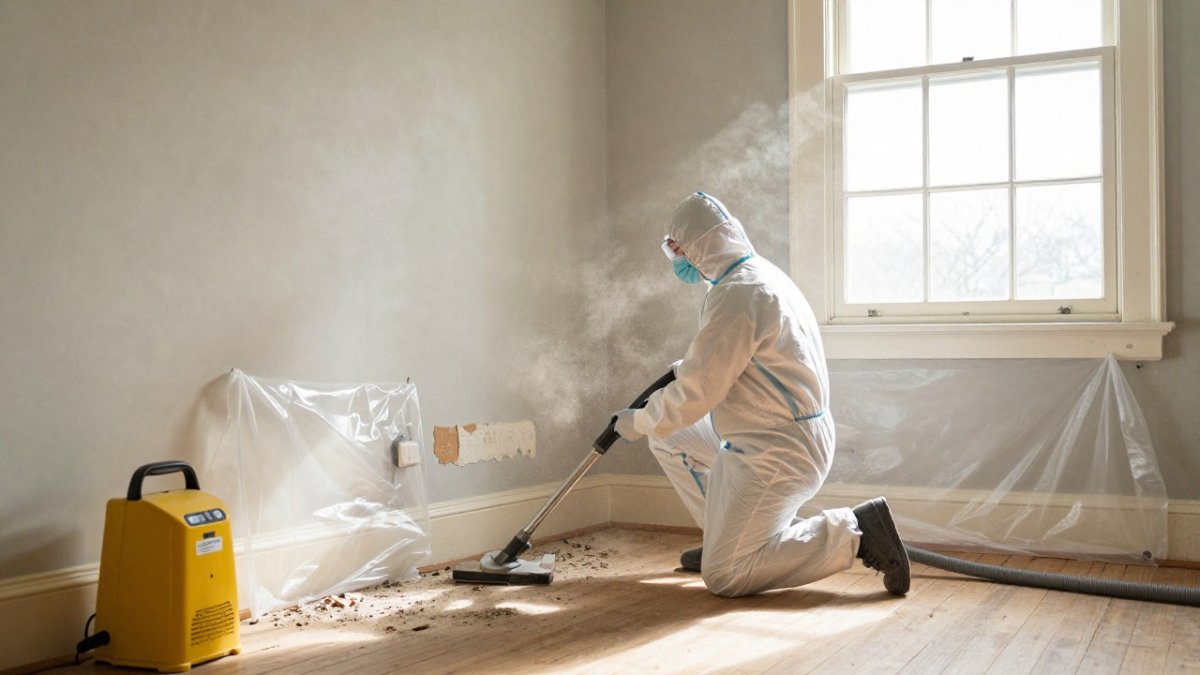
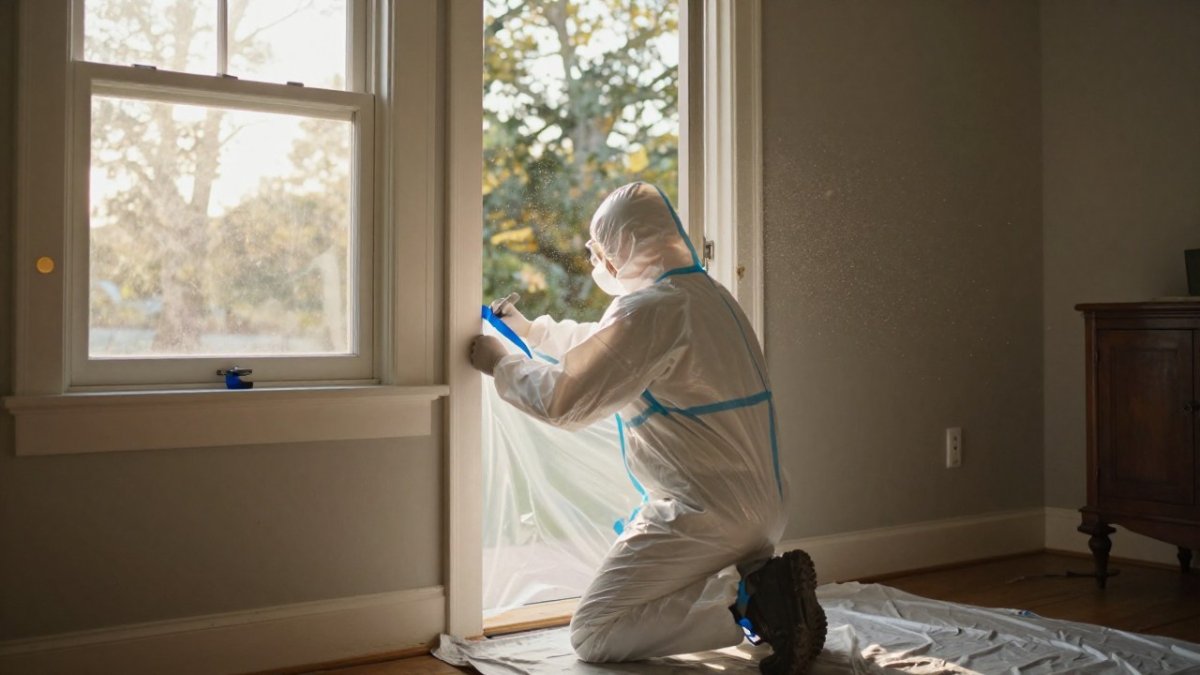
- Seal doorways and vents with plastic sheeting and tape before work begins.
- Keep children in a separate, clean area of the home while work is underway.
- Remove toys, bedding, and food from rooms being worked on.
- Children should not return to the work area until the work and cleanup are complete.
Table of Contents
- Why Remodeling Older Homes Puts Children at Risk
- Step-by-Step: Setting Up a Lead-Safe Renovation Work Area
- When Children Can Safely Return After Renovation Work
- Frequently Asked Questions
Why Remodeling Older Homes Puts Children at Risk
Lead paint was widely used in U.S. homes until it was banned for residential use in 1978. Sanding, scraping, cutting, or demolishing painted surfaces creates fine lead dust that settles on floors, windowsills, and toys. Young children are most at risk because they crawl, touch surfaces, and put their hands in their mouths, which makes children safe remodeling practices essential in older homes. For practical guidance, see protecting children from lead paint exposure in older homes.
Lead exposure can affect a child's developing brain and nervous system, and there is no known safe blood lead level in children. The U.S. Environmental Protection Agency explains the health effects and prevention steps in detail EPA guidance on lead hazards in the home.
Homes with children under six deserve extra caution. Before any remodeling, check whether the home was built before 1978 and whether the planned work will disturb painted surfaces.
Step-by-Step: Setting Up a Lead-Safe Renovation Work Area
- Seal doorways and vents with plastic sheeting and tape
- Keep children in a separate, clean area of the home
- Remove toys, bedding, and food from rooms being worked on
- Plan separate routes for workers and family members
Lead-safe work practices follow federal rules. The EPA's Renovation, Repair and Painting Rule sets out the requirements for contractors working in pre-1978 homes EPA Renovation, Repair and Painting Rule.
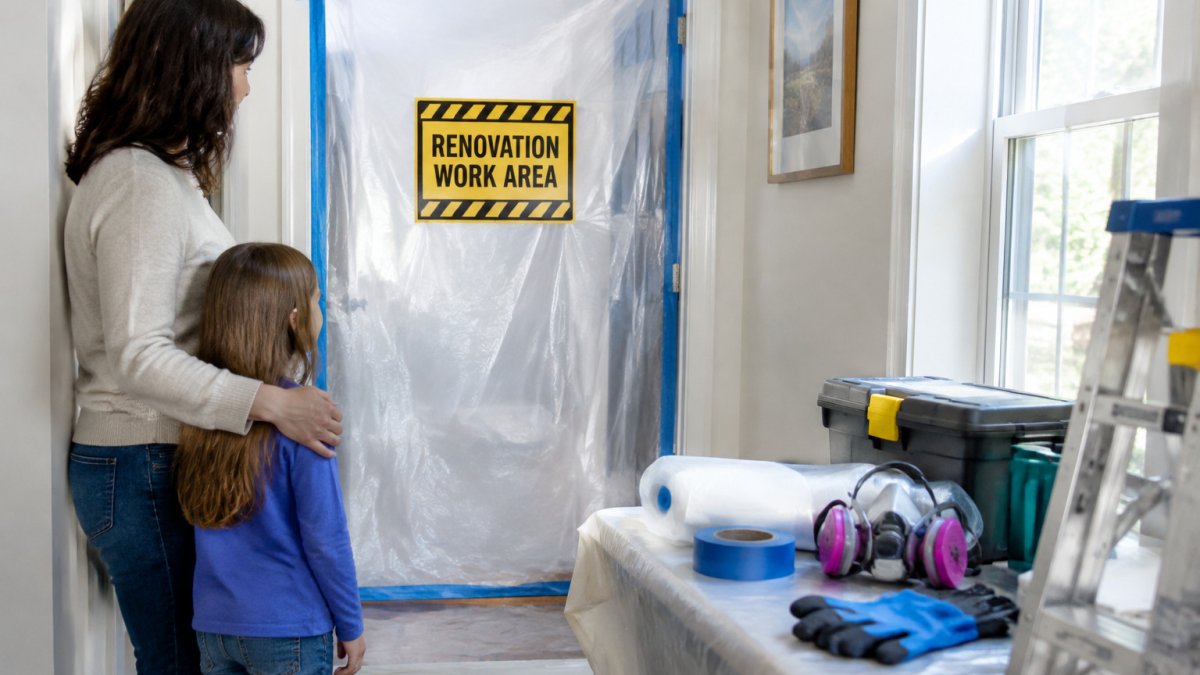
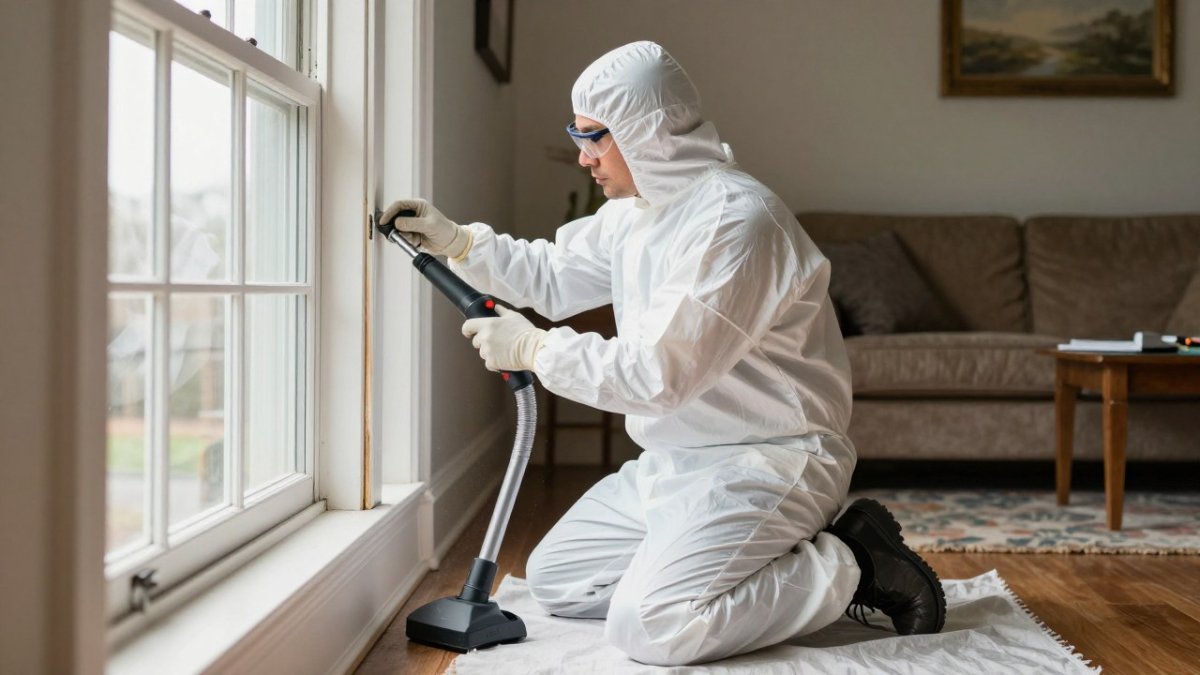
Professional lead-safe wall preparation and dust containment can help protect the home during renovation work. Virginia Lead Services provides lead-safe wall prep and renovation services for homes built prior to 1978. Proper containment strategies remain essential for any project, as there are many common mistakes to avoid during remodeling that could otherwise compromise the safety of your living environment.
The article's core safety steps for keeping the work area separate from family members are summarised below.
| Step | What to do | Note |
|---|---|---|
| Seal doorways and vents | Cover with plastic sheeting and tape | Limits dust spread |
| Separate children | Keep them in a clean area of the home | Away from work zone |
| Clear the work rooms | Remove toys, bedding and food | Before work starts |
| Plan routes | Separate paths for workers and family | Reduces contact with dust |
When Children Can Safely Return After Renovation Work
Children should not return to a work area until the work and cleanup are complete.
If you have questions about clearance or lead safety before children return, contact your local health department for guidance, or contact Virginia Lead Services for a consultation on your renovation.
Frequently Asked Questions
Is construction dust harmful to children?
Dust from renovation work can carry lead particles and other pollutants that children may breathe in or swallow, since young children touch floors and put their hands in their mouths often. This is why dust control matters most in homes built before 1978. Keep children out of the work area while work is underway. For homes where lead paint may be present, a professional lead-safe assessment is the most reliable way to understand the risk before work begins.
How long should children stay away after renovation work?
Children should stay out of the renovated area until the space has been ventilated and cleaned, and until the work is complete. Do not rely on appearance alone, since fine dust is often invisible. Ask your contractor whether the area was cleaned with lead-safe methods and whether a clearance process was performed.
What should parents ask a contractor before renovation work begins?
Ask whether the home was built before 1978, whether the contractor follows lead-safe work practices, and how the work area will be sealed and cleaned. Confirm that workers will use separate entrances where possible and that the schedule accounts for keeping children away from active work. Ask who will perform cleanup and how the home will be checked before family members return.