 how-to
Protecting Children From Lead Paint Exposure
Table of Contents
- Why Lead Paint Exposure Threatens Children
- Step-by-Step: Identifying and Testing for Lead Paint
- Daily Practices for Lead Paint Dust Prevention
- Frequently Asked Questions
Last Updated: October 16, 2026
Why Lead Paint Exposure Threatens Children
Lead paint exposure is a serious health risk for young children in homes built before 1978 (the EPA). Deteriorating paint releases lead dust children inhale or ingest, and even small amounts harm a developing brain and body.
Children under six are most vulnerable. Their growing bodies absorb lead more easily than adults do. Lead interferes with cognitive development, learning ability, and behavior. According to the CDC's guidance on lead exposure, no safe blood lead level exists for children.
Common sources include peeling paint on walls, windowsills, doors, and exterior trim; the dust settles on floors, toys, and surfaces where children play and eat. Homes built before the 1978 ban carry the highest risk.
Step-by-Step: Identifying and Testing for Lead Paint
The first step is determining whether your home contains lead-based paint.
Step 1: Check your home's age. Homes built before 1978 likely contain lead paint.
Step 2: Look for visible signs of deterioration. Inspect walls, trim, doors, and windowsills for peeling, chipping, or cracking paint, especially where children touch.
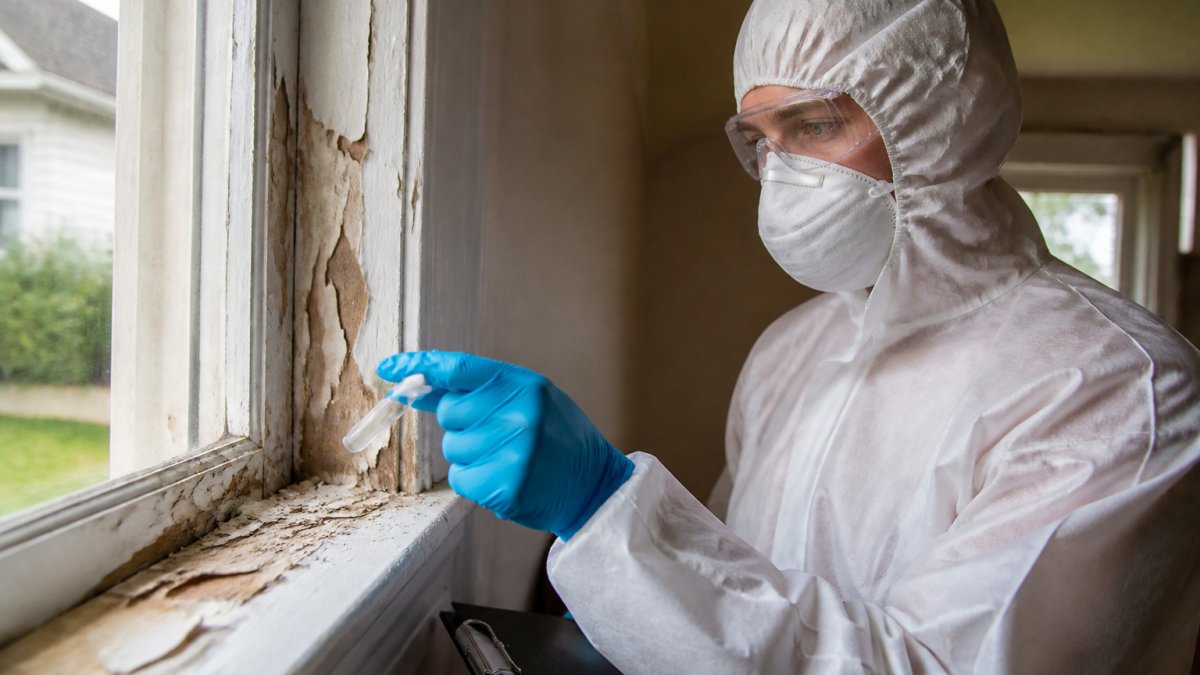
Step 3: Contact a professional for testing. A certified lead inspector can test your home using EPA-approved methods, the only reliable way to confirm lead paint presence.
Daily Practices for Lead Paint Dust Prevention
Preventing lead dust exposure requires consistent household practices while you plan for professional remediation.
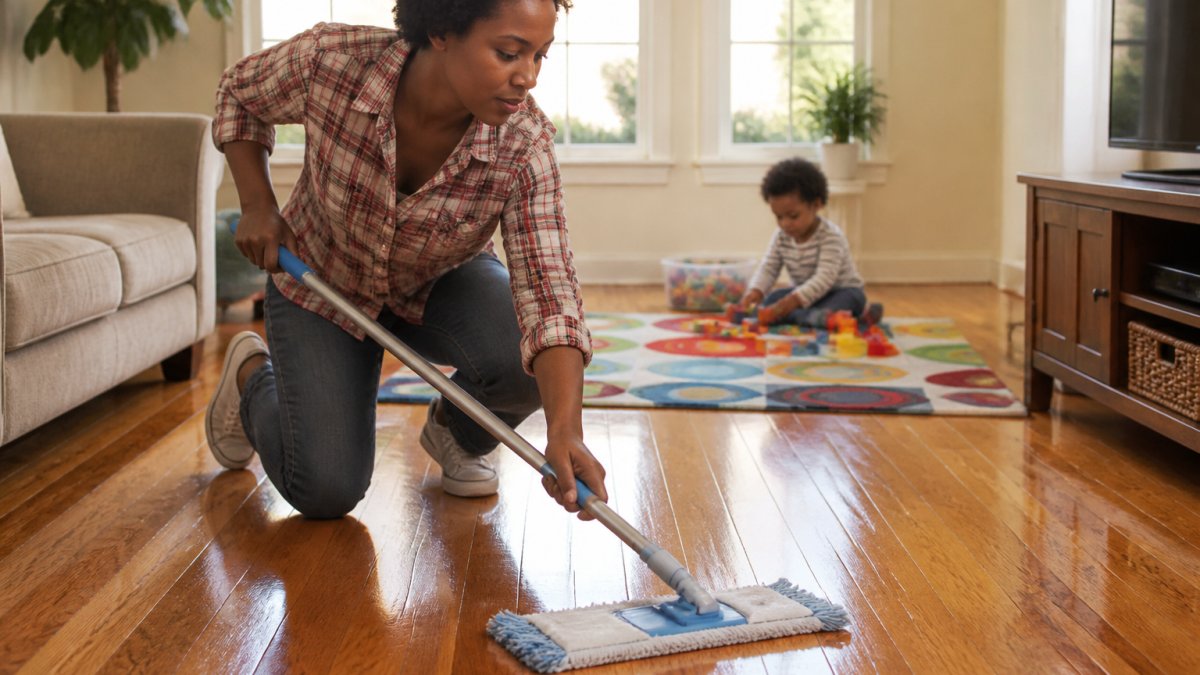
Clean surfaces regularly with wet methods. Use a damp cloth or mop on floors and windowsills; wet cleaning captures dust, while dry sweeping or vacuuming releases lead particles.
Wash children's hands and toys frequently. Wash hands before eating and after playing, and rinse pacifiers, bottles, and toys regularly.
Keep children away from damaged paint. Restrict play areas away from peeling or chipping paint. Block access to deteriorating surfaces until professional remediation occurs.
Maintain good nutrition. Children with adequate iron and calcium absorb less lead.
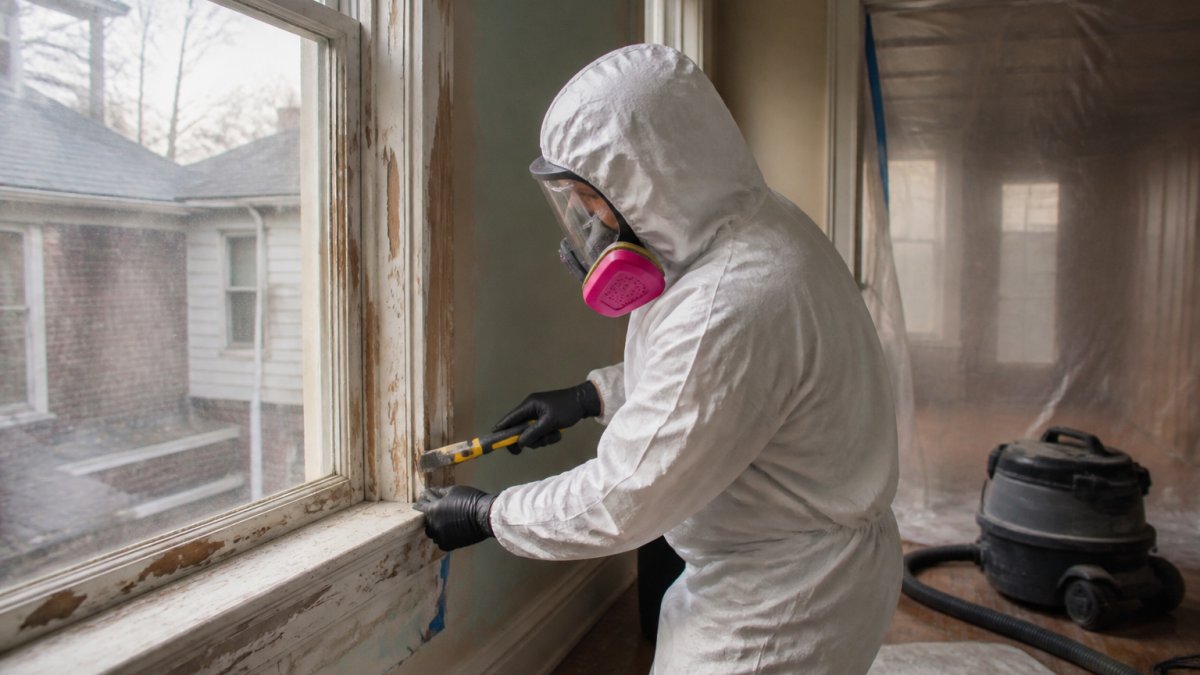
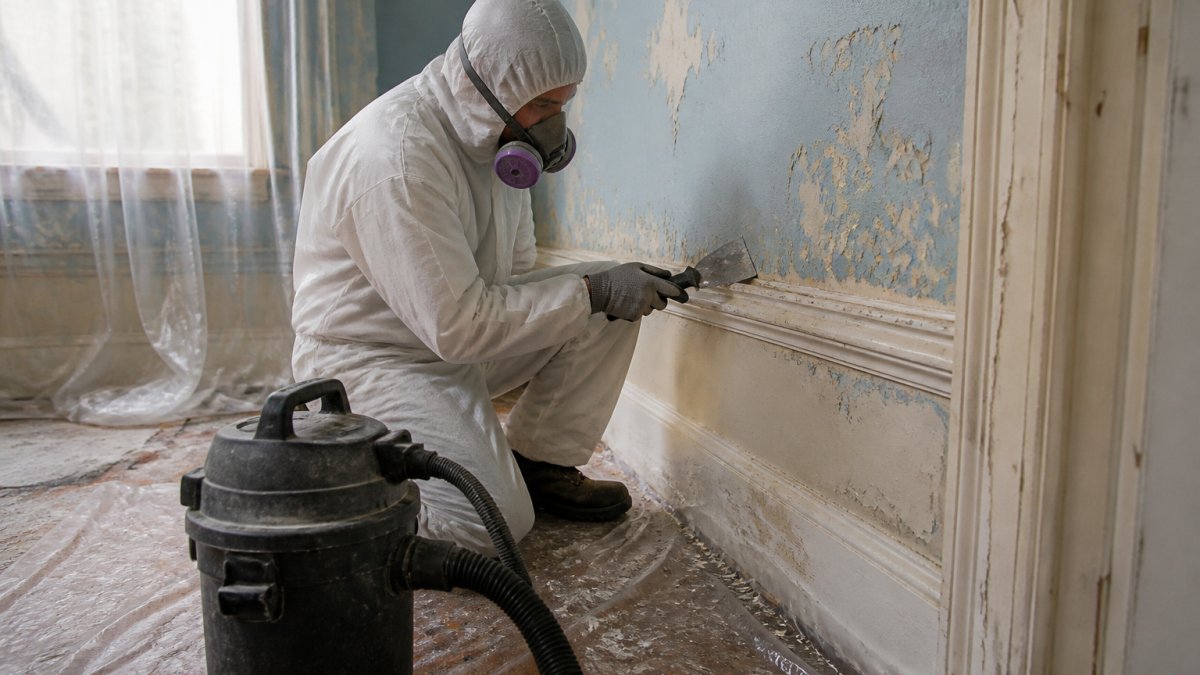
Consider professional lead abatement. For homes with confirmed lead paint, professional remediation is the permanent solution. The EPA Renovation, Repair and Painting Rule requires contractors to follow lead-safe practices during home renovations in pre-1978 homes.
Frequently Asked Questions
What are the main risks of lead paint exposure for children?
Lead paint exposure can cause serious health effects in children, including developmental delays, learning difficulties, reduced IQ, anemia, and problems with iron absorption. Children absorb lead more readily than adults, and even low levels of lead exposure can affect cognitive development. No safe level of lead exposure exists for children. Blood lead testing can identify exposure early, allowing families to take protective action.
How do I test my home for lead paint if I suspect exposure?
A professional lead testing begins with a visual inspection for peeling paint, chipping paint, or damaged surfaces, especially on windowsills, floors, and play areas. Professional inspectors use specialized tools to identify lead-based paint and collect dust samples. Do not attempt to test or disturb suspected lead paint yourself. Contact a certified professional to conduct proper testing and recommend next steps based on results.
What should I do if my child has been exposed to lead paint dust?
If you suspect lead exposure, schedule a blood lead test with your pediatrician immediately. A blood lead test measures your child's lead level and guides treatment decisions. Meanwhile, increase handwashing, wash toys and pacifiers regularly, and wet-mop floors to reduce dust. Do not attempt to remove or abate lead paint yourself. Hire certified lead abatement services to safely address the hazard and protect your family.
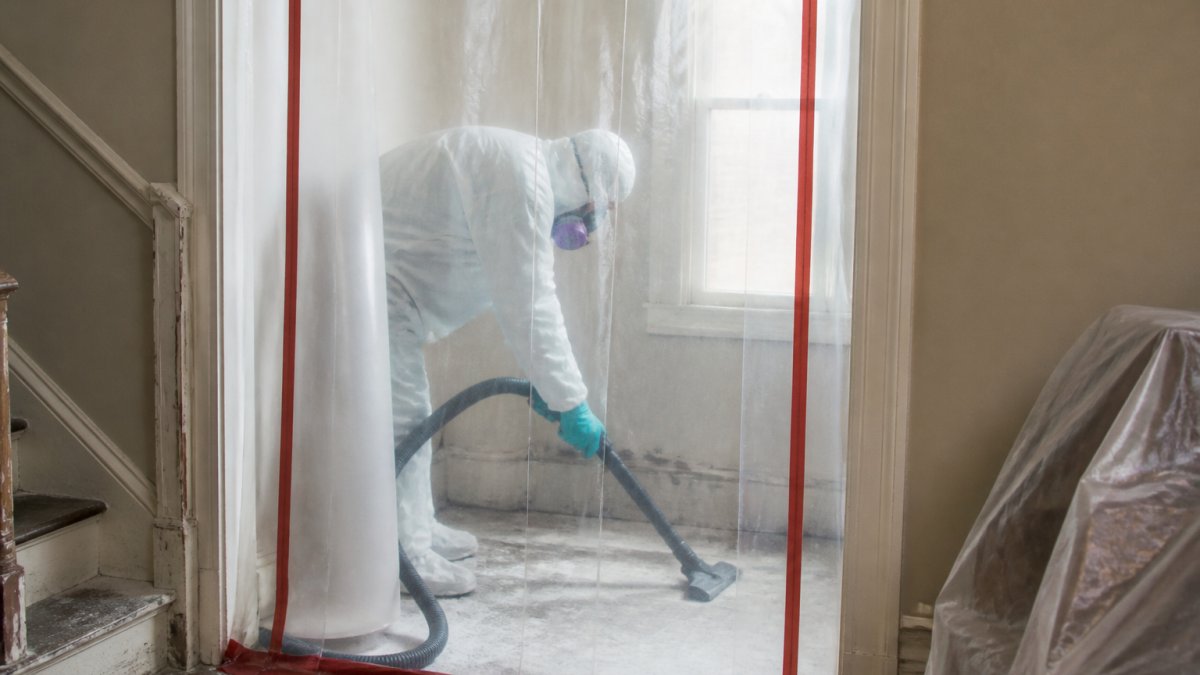
Lead paint poses a real threat to children's health and development. If your home was built before 1978 or shows signs of deteriorating paint, professional assessment is essential. Virginia Lead Services provides certified lead testing, abatement, and lead-safe renovation services to protect your family. Our certified operators use advanced dust containment practices to ensure your home meets all safety requirements. Contact us for a professional evaluation and peace of mind.