 How-to
Safe Renovation of Older Rentals: Lead-Safe Steps
Quick Summary
Safe renovation of older rental properties starts with assessment, not demolition. If a rental was built before 1978, assume the paint may contain lead until testing proves otherwise, and have licensed professionals test it before any work begins.
- Assume paint may contain lead if the rental was built before 1978.
- Watch for peeling, chipping, or chalky paint on walls, windows, and doors.
- Ask lead inspectors and risk assessors for proof of current licensing.
- Most renovation work in pre-1978 rentals falls under the EPA Renovation, Repair and Painting Rule.
- Keep tenants and children out of the work zone, and plan for cleanup and clearance testing.
Table of Contents
- Assessing Lead Paint Risks Before Renovating Older Rental Properties
- Following the EPA Renovation, Repair and Painting Rule for Lead-Safe Work
- Scheduling Renovation Work to Protect Tenants and Control Lead Dust
- Frequently Asked Questions
Assessing Lead Paint Risks Before Renovating Older Rental Properties
Last Updated: November 17, 2026
If your rental was built before 1978, assume the paint may contain lead until testing proves otherwise (the EPA). Lead paint is the most common source of lead exposure for children, and renovation dust is the biggest hazard.
Lead dust is invisible and spreads quickly, so a safe renovation of older rental properties starts with assessment, not demolition. Watch for these warning signs:
- Peeling, chipping, or chalky paint on walls, window frames, or doors
- Cracked paint on surfaces tenants touch often
- Prior repairs with no record of testing
- Children under six living in or visiting the unit
Testing is the only way to know for sure. Lead-based paint inspections and risk assessments should be performed by qualified professionals, so ask for proof of current licensing.
Following the EPA Renovation, Repair and Painting Rule for Lead-Safe Work
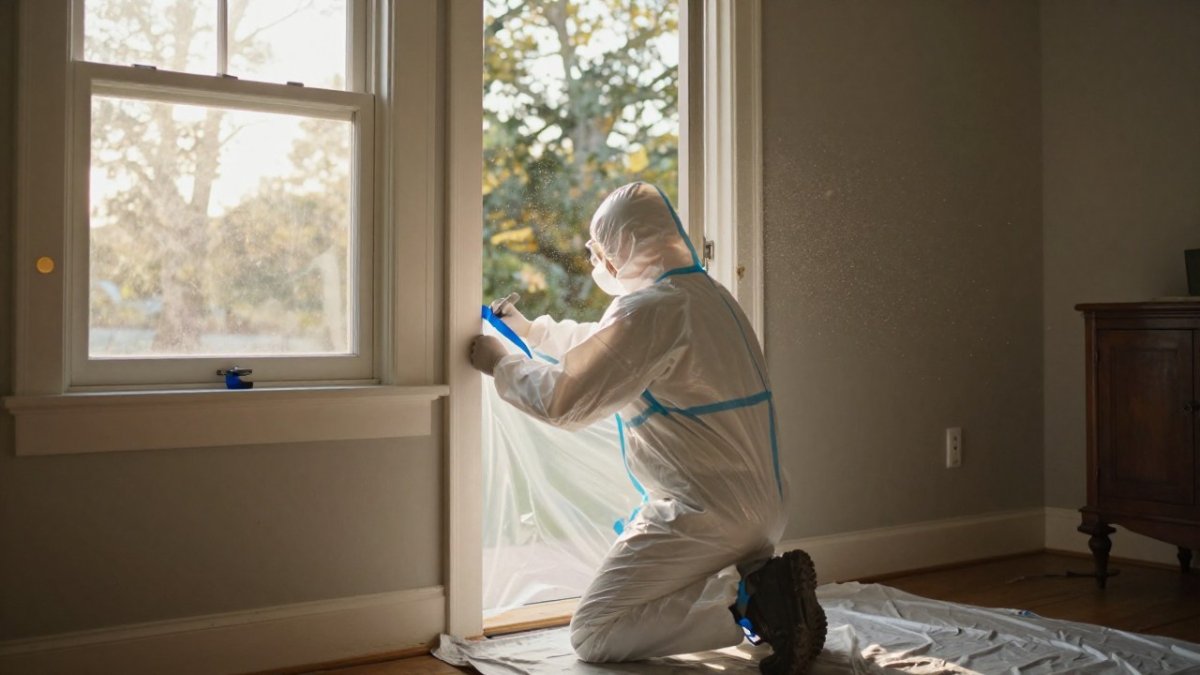
Most renovation work in pre-1978 rentals falls under the EPA Renovation, Repair and Painting Rule. This federal rule requires contractors to be trained and certified, and it sets rules for containing dust and cleaning up afterward.
Under the rule, firms doing paid work in pre-1978 homes must follow lead-safe work practices, and the official EPA requirements should be checked for current details. In Virginia, lead paint testing is governed by federal and state rules, and only licensed professionals may perform these activities. Landlords should also review their separate disclosure obligations for rental properties.
Check the official EPA lead-safe renovation requirements for current rules before you start any project.
Scheduling Renovation Work to Protect Tenants and Control Lead Dust
Plan work so tenants are out of the affected area, and keep children and pregnant tenants away from the work zone.
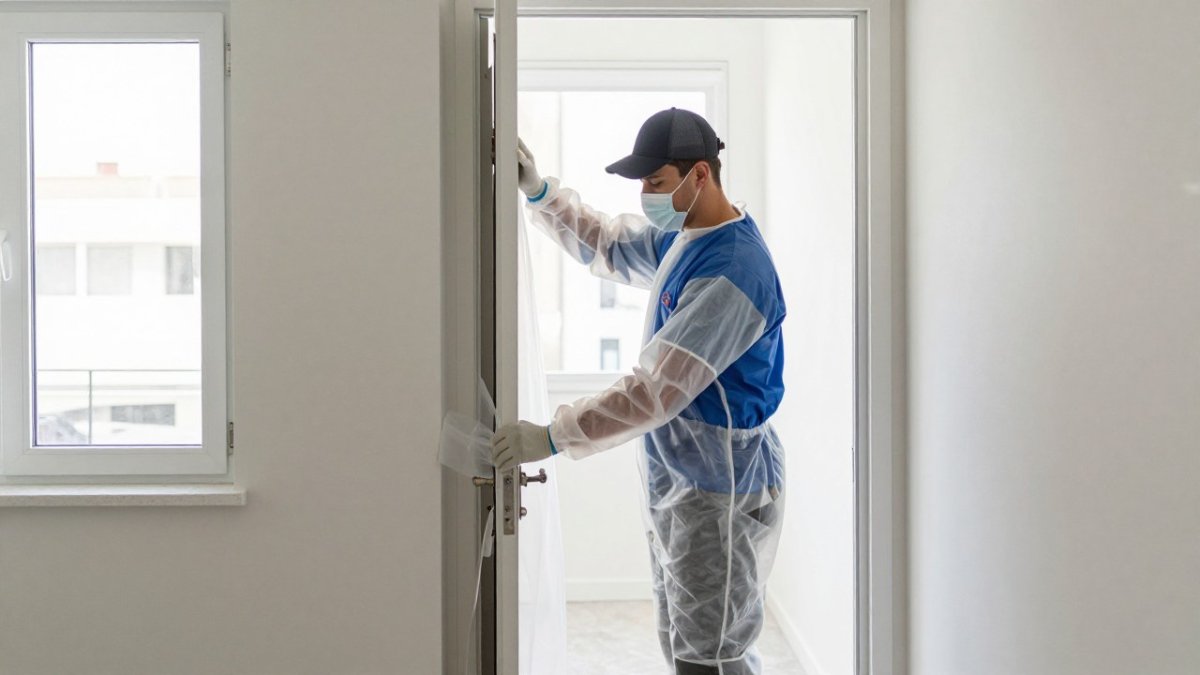
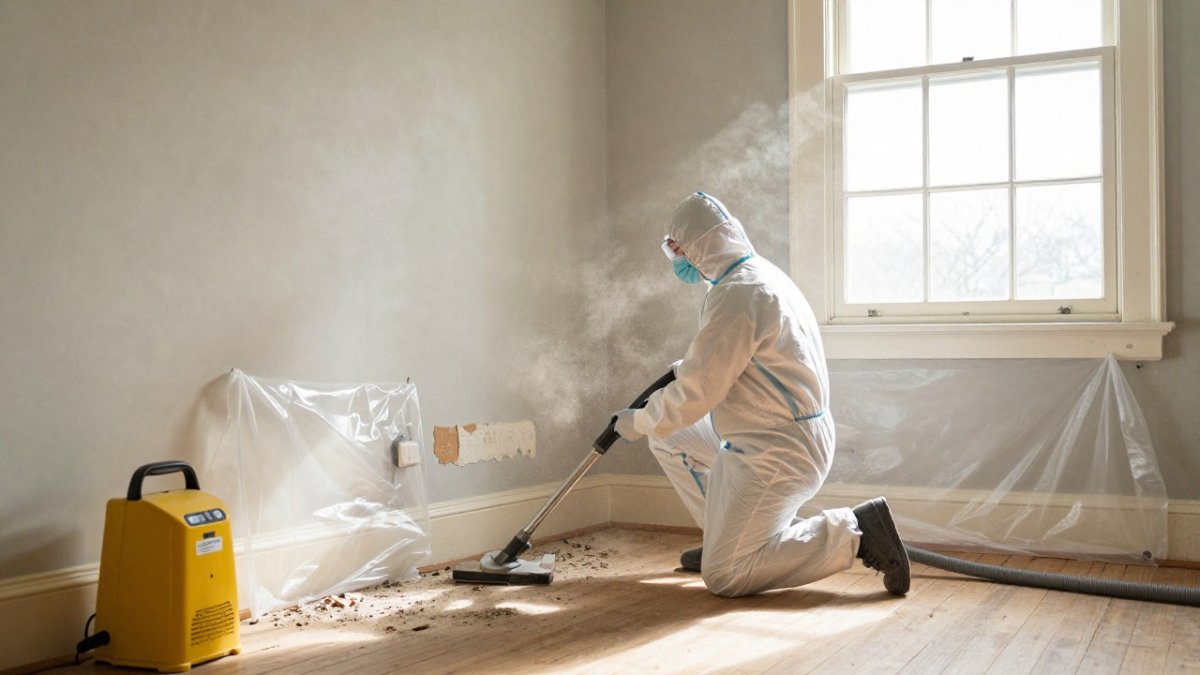
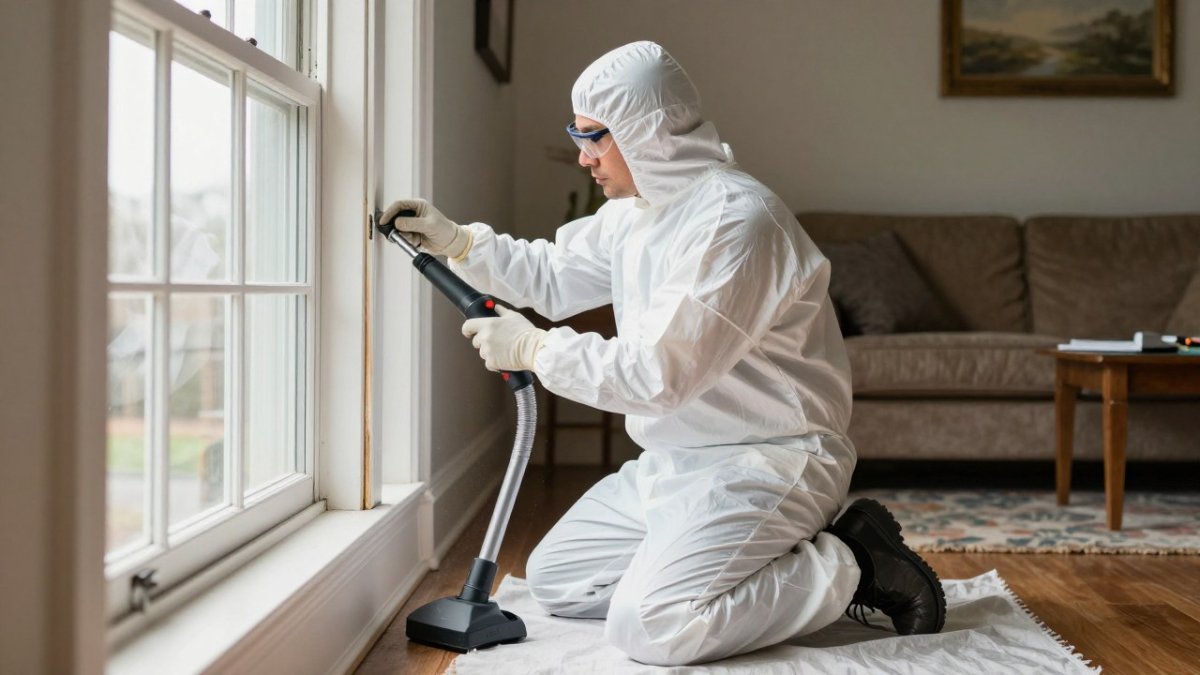
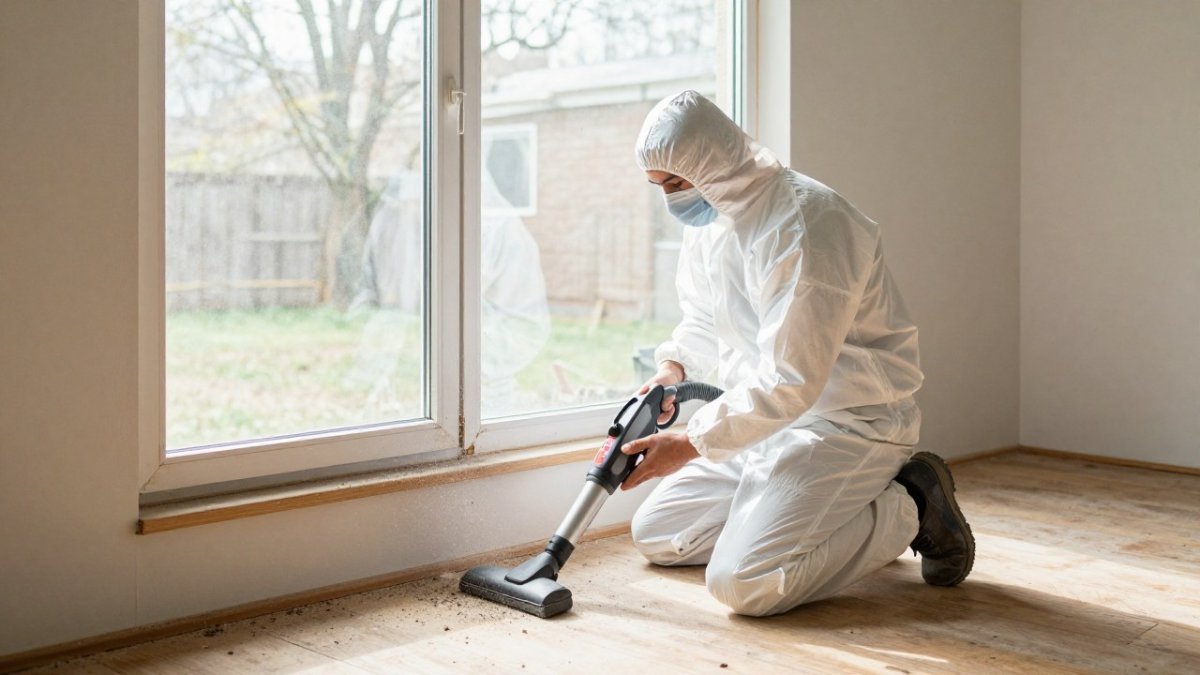
Work should end with a thorough cleanup and, where required, a clearance test confirming the area is safe to reoccupy before tenants move back in. To plan around each step, see what happens during containment, dust control, testing, and clearance.
For a fuller look at what the process involves, Virginia Lead Services can walk you through each stage and answer your questions before work begins.
Older rentals can be renovated safely when lead risks are handled first. Virginia Lead Services offers testing, lead-safe wall prep, painting, and construction supervision for pre-1978 properties. Contact Virginia Lead Services to schedule an assessment before your next project.
Frequently Asked Questions
What is the EPA Renovation, Repair and Painting Rule?
The EPA Renovation, Repair and Painting Rule, often called the RRP Rule, requires contractors and property owners working on pre-1978 housing to follow lead-safe work practices. Firms performing covered work must be certified by the U.S. Environmental Protection Agency and must use trained, certified renovators. The rule covers containment, dust control, cleanup and recordkeeping, and it helps protect occupants, including children, from lead dust created during renovation. Property owners should confirm that any firm they hire holds current certification before work begins.
How can you tell if an older rental property has lead-based paint?
A property built before 1978 may contain lead-based paint, but the only reliable way to know is through testing. Lead paint testing for rental properties can be done with XRF analysis or laboratory testing of paint chips, and dust wipe sampling can check for lead dust after work is done. Testing should happen before renovation begins so the scope of work, containment and cleanup can be planned correctly. Pricing depends on the size and condition of the property, so contact Virginia Lead Services directly for a current quote.
How can tenants be protected during lead-related renovation work?
Tenants should be informed before work starts and kept out of the work area with sealed barriers. Lead dust containment and cleanup should include plastic sheeting, careful handling of debris, and thorough cleaning with HEPA vacuums and wet wiping before anyone re-enters. Keep children and pregnant occupants away from the work zone, and schedule clearance testing before the unit is reoccupied. Virginia Lead Services can help plan a lead-safe approach for occupied rentals.