 How-to
5 Professional Lead Dust Containment Methods for Safe Renovations
Last Updated: October 25, 2026
Quick Summary
Lead dust containment isolates work areas and controls particles to prevent lead exposure during renovations in homes built before 1978. Professional methods include negative air pressure systems with HEPA filtration that removes 99.97% of particles, wet methods to reduce dust at the source, and HEPA vacuums for immediate capture.
- HEPA-filtered air scrubbers create negative pressure to pull contaminated air inward rather than outward
- HEPA filtration removes 99.97% of particles as small as 0.3 microns
- Wet methods keep surfaces wet while removing paint to reduce dust at the source
- EPA Renovation, Repair and Painting Rule requires certified lead-safe practices for homes built before 1978
- Professional cleanup and clearance testing verify containment worked after renovation
Table of Contents
- Why Lead Dust Containment Matters in Older Homes
- Lead Paint Containment Procedures and Work-Area Isolation
- Lead Dust Control Methods and Air Filtration Systems
- Frequently Asked Questions
Why Lead Dust Containment Matters in Older Homes
Lead dust containment isolates work areas and controls particles to prevent lead exposure during renovations. Homes built before 1978 contain lead-based paint, and disturbing it releases toxic dust that poses serious health risks, especially to children and pregnant women (the EPA). Lead exposure can cause permanent neurological damage in children and high blood pressure, kidney damage, and reproductive problems in adults.
Lead Paint Containment Procedures and Work-Area Isolation
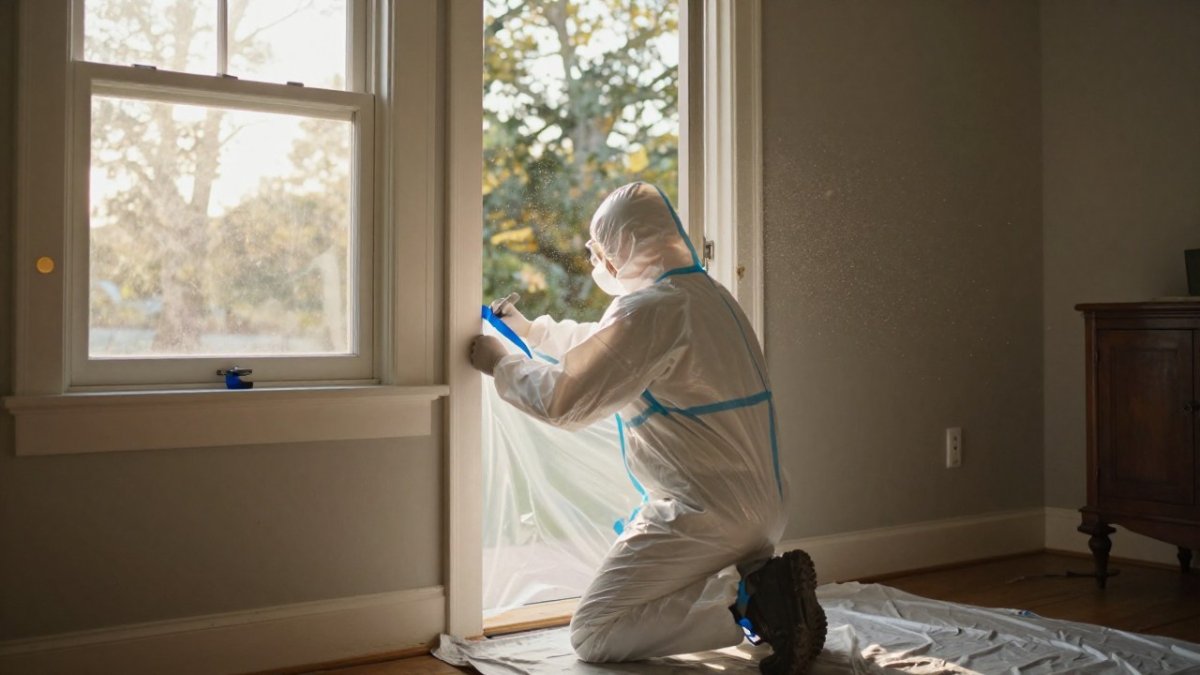
Isolating the work area is the foundation of safe lead dust containment. Your contractor seals doors, windows, vents, and openings with heavy-duty plastic sheeting taped at every edge.
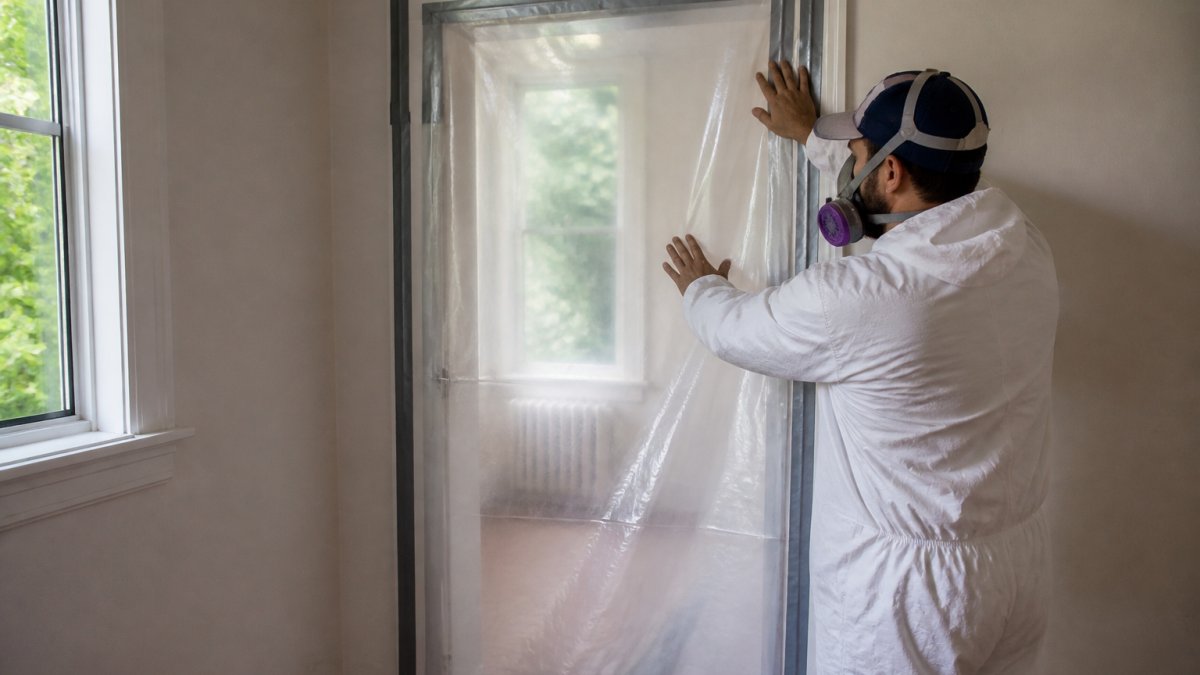
Warning signs are posted at all entry points, and no one enters the containment zone without proper protective equipment. EPA Renovation, Repair and Painting Rule guidelines require that contractors use certified lead-safe practices when working in homes built before 1978. Learn lead-safe wall preparation techniques to protect your family and understand the containment methods professionals use.
Lead Dust Control Methods and Air Filtration Systems
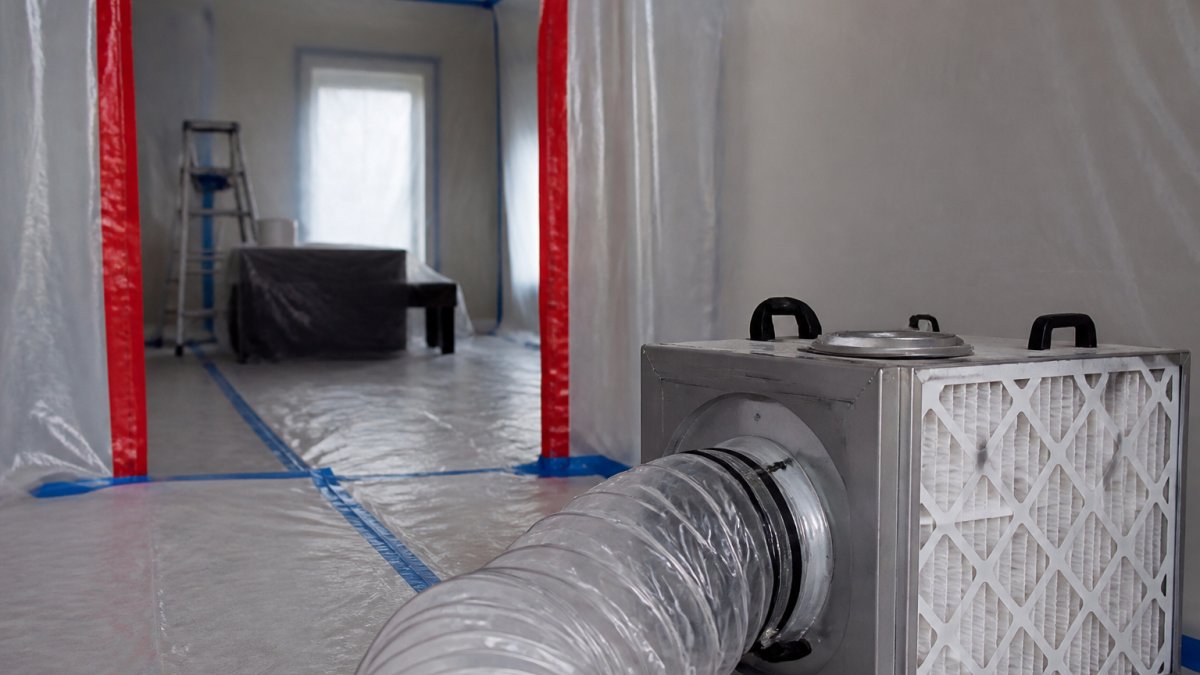
Negative air pressure is critical to professional lead dust containment methods. A HEPA-filtered air scrubber runs continuously inside the work area, creating slightly lower pressure so leaks pull air inward rather than pushing contaminated air outward. HEPA filtration removes 99.97% of particles as small as 0.3 microns, catching lead dust.
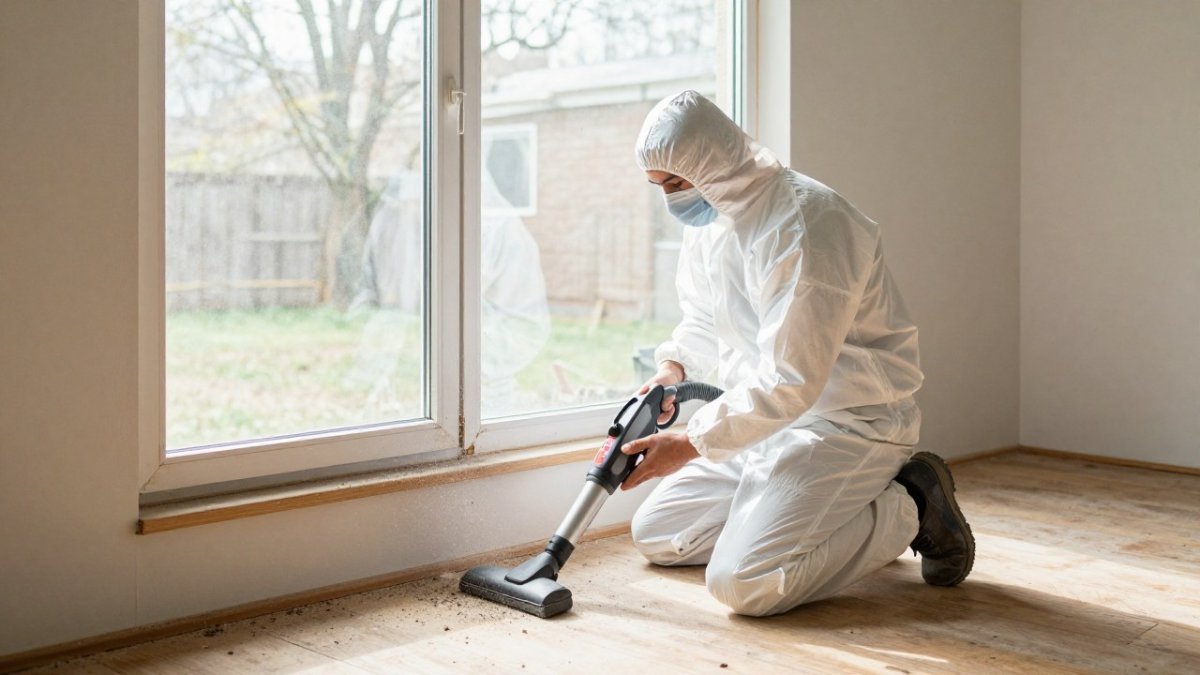
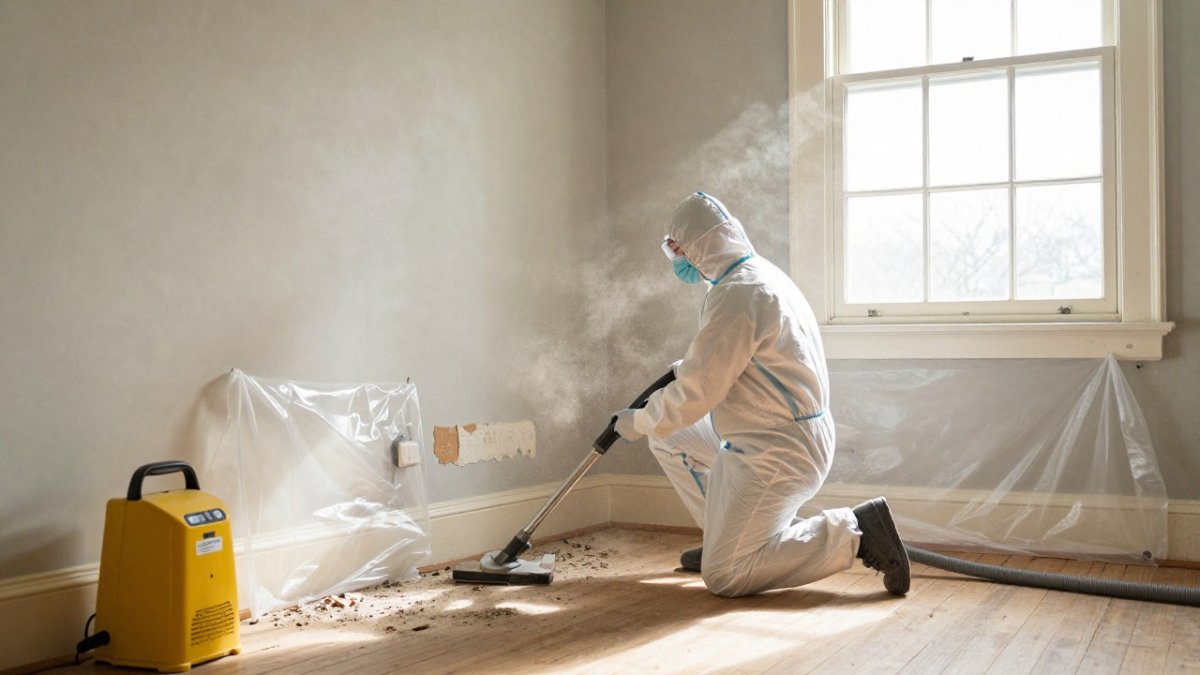
Wet methods reduce dust at the source: contractors keep surfaces wet while removing paint, and HEPA vacuums capture dust immediately. Lead exposure assessment and control guidelines recommend professional cleanup and clearance testing to verify containment worked. Understand what to expect during lead abatement, including how dust control and containment procedures protect your family.
At Virginia Lead Services, we use certified lead dust containment methods and professional cleanup procedures to ensure your renovation is safe. Our certified operators handle containment setup, dust control, and post-work clearance testing. Explore lead-safe renovation services or learn about professional lead abatement.
Professional lead dust containment relies on several key methods working together to protect against exposure.
| Method | How It Works | Key Benefit |
|---|---|---|
| Negative air pressure | HEPA-filtered air scrubber runs continuously inside work area | Pulls contaminated air inward, prevents outward leaks |
| HEPA filtration | Filters air through high-efficiency particulate system | Removes 99.97% of particles as small as 0.3 microns |
| Wet methods | Surfaces kept wet while removing paint | Reduces dust at the source |
| HEPA vacuums | Captures dust immediately during work | Prevents particles from becoming airborne |
Frequently Asked Questions
How do professionals contain lead dust during renovation?
Certified professionals use multiple layers of protection: isolating the work area with plastic sheeting, using negative air pressure systems with HEPA filtration to trap particulates, applying wet methods to suppress dust, and establishing restricted-access zones. After work, they perform clearance testing to verify all lead dust has been removed. This multi-method approach prevents dust migration to occupied spaces and ensures compliance with EPA standards.
What is the EPA Renovation, Repair and Painting Rule and why does it apply to my home?
The EPA Renovation, Repair and Painting Rule requires that contractors working on homes built before 1978 follow lead-safe work practices. This includes containment, dust control, and cleanup procedures. The rule protects occupants, especially children and pregnant women, from lead exposure. Failure to follow these requirements can result in significant fines. Hiring certified professionals ensures your renovation meets all federal requirements and protects your family.
How do I know if a contractor is actually certified to do lead containment work?
Look for EPA-certified renovators and lead abatement contractors. Certified professionals have completed EPA-accredited training and maintain current credentials. Ask to see their certification documents and verify their credentials through the EPA's database. Certified operators understand proper containment procedures, air filtration requirements, waste disposal protocols, and post-work clearance testing. This certification is your assurance that work meets federal standards and protects your home.