 how-to
Lead-Safe Wall Preparation Techniques: A Guide
Table of Contents
- Understanding Lead-Safe Wall Preparation
- EPA RRP Rule Requirements for Wall Renovations
- Lead Dust Containment Methods and Safety Protocols
- Frequently Asked Questions
Last Updated: October 2, 2026
Understanding Lead-Safe Wall Preparation
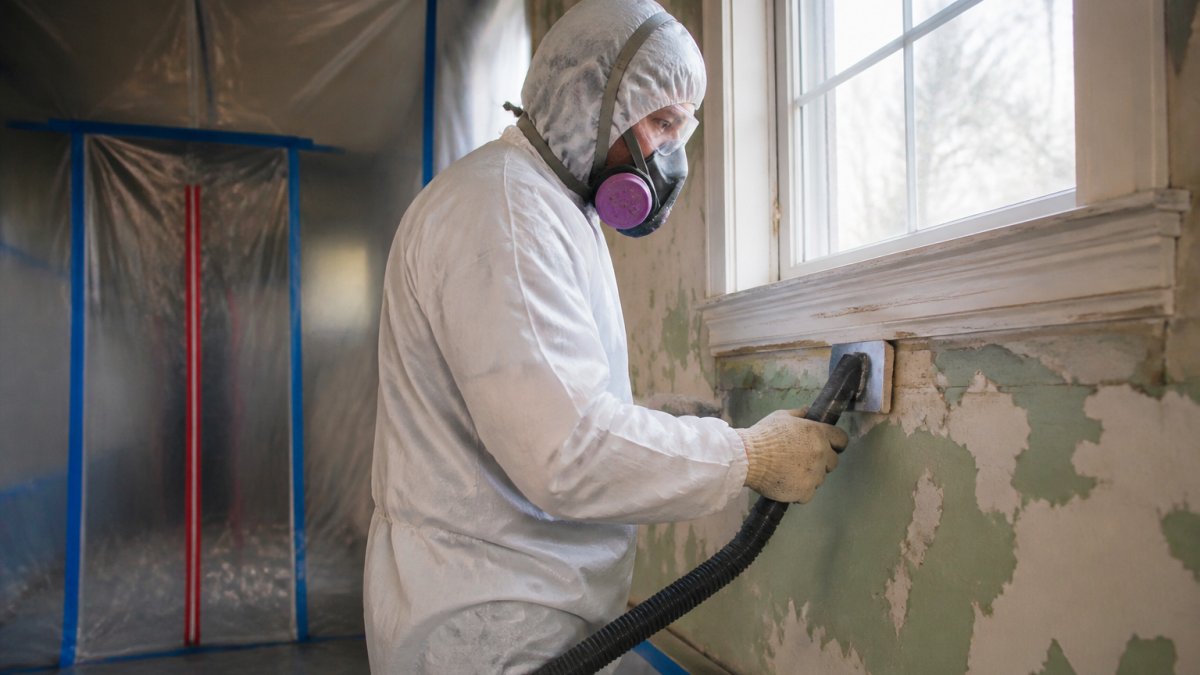
Lead-safe wall preparation is the process of safely preparing surfaces that may contain lead-based paint before renovation or repair work begins. This approach protects your family from lead dust exposure while meeting federal safety requirements.
Homes built before 1978 commonly contain lead-based paint (the EPA). When you sand, scrape, or disturb these surfaces, you release toxic lead dust into the air. Lead exposure poses serious health risks, especially for children and pregnant women. Proper wall preparation prevents this hazard.
Virginia Lead Services specializes in protecting families in homes built prior to 1978 through safe renovations and repairs using certified operators and advanced containment practices.
EPA RRP Rule Requirements for Wall Renovations
The Environmental Protection Agency's Renovation, Repair, and Painting (RRP) Rule requires specific safety protocols when working on pre-1978 homes. Any contractor disturbing more than a small area of lead-based paint must follow these standards.
Key requirements include:
- Obtaining EPA certification before performing renovation work
- Notifying homeowners of potential lead hazards
- Using lead-safe work practices during the project
- Containing dust and debris properly
- Cleaning thoroughly after completion
The EPA RRP Rule establishes these requirements to prevent lead poisoning. Homeowners should never attempt this work independently. Professional contractors with proper training and equipment ensure compliance and safety.
Lead Dust Containment Methods and Safety Protocols
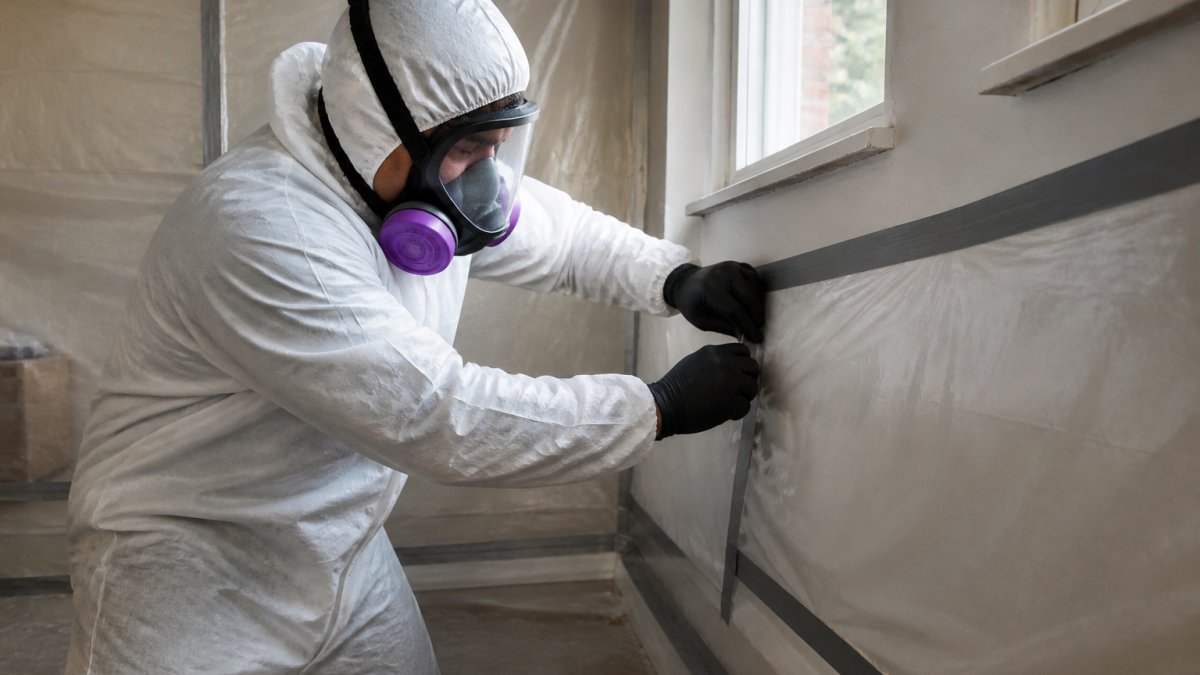
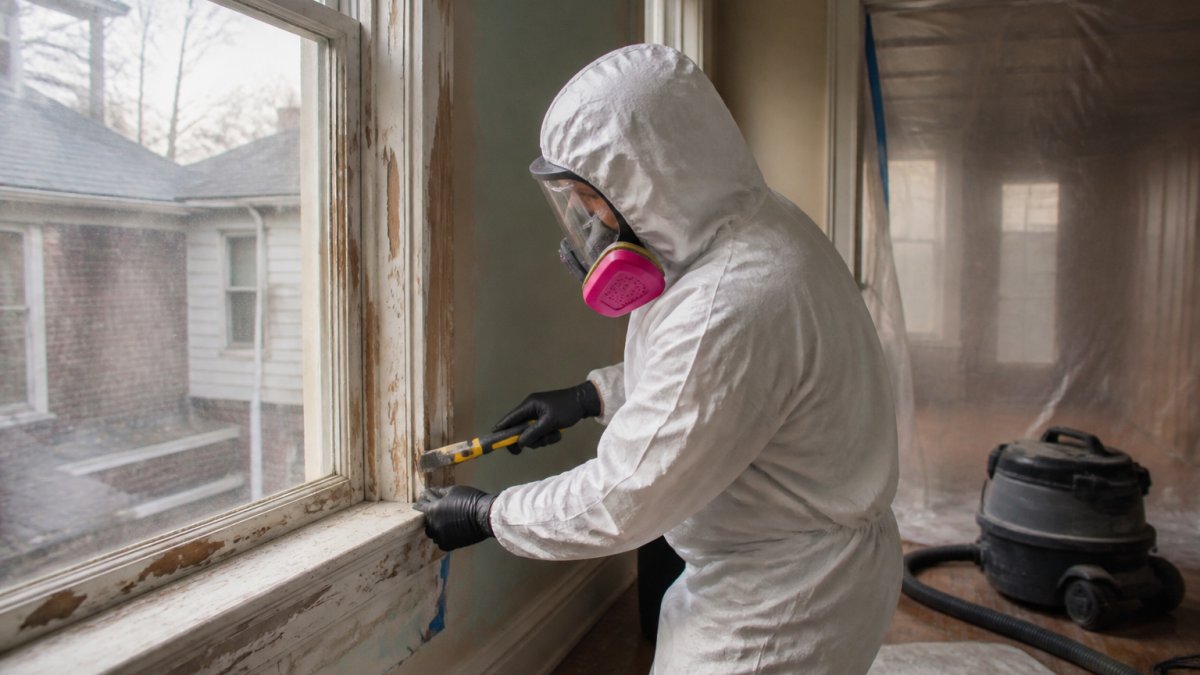
Containment prevents lead dust from spreading throughout your home. Certified professionals use multiple layers of protection during lead-safe wall preparation work.
Essential containment steps include:
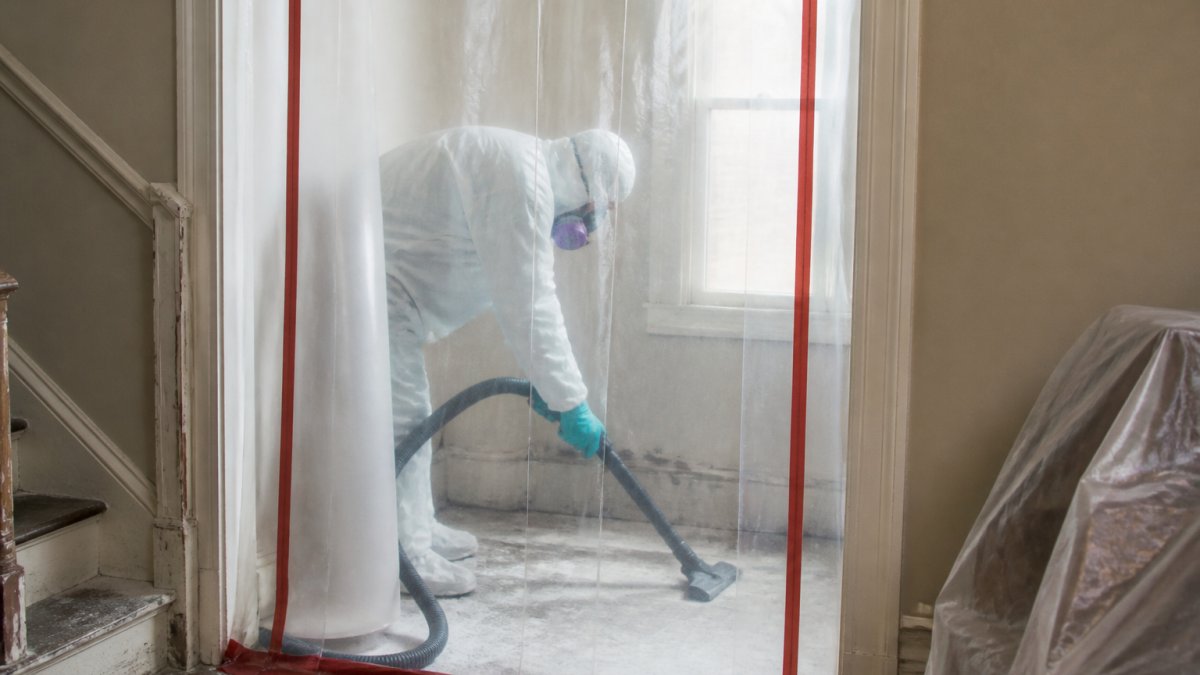
- Sealing work areas with polyethylene sheeting and duct tape
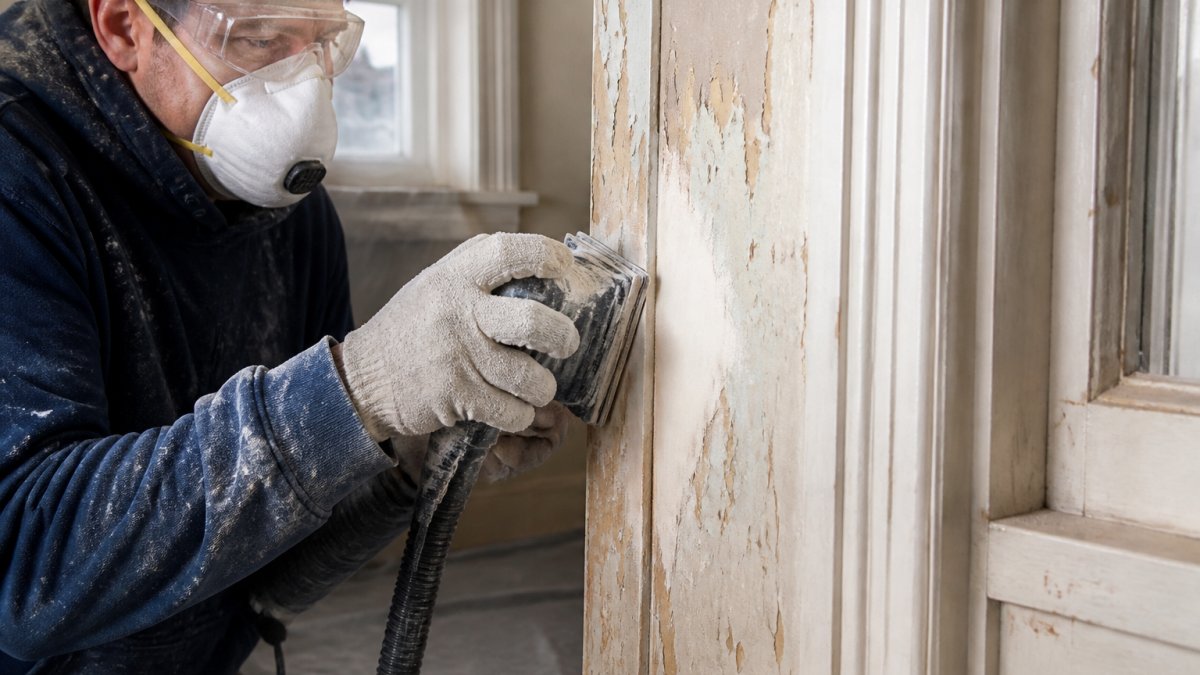
- Using HEPA vacuuming equipment to capture particles
- Applying wet-sanding and wet-scraping techniques to minimize dust
- Wearing personal protective equipment (respirator, disposable coveralls, gloves)
- Establishing decontamination procedures for tools and clothing
Professionals performing lead abatement follow strict dust suppression protocols. The CDC guidance on lead exposure prevention emphasizes containment as the most effective protection method. Proper cleanup requires damp cloths and HEPA-filtered equipment, never dry sweeping or vacuuming without HEPA filters.
Homeowners should never perform lead paint removal independently. Professional mitigation services ensure your environment meets all legal requirements while protecting your family from hazardous lead exposure.
Contact Virginia Lead Services for comprehensive lead paint management and certified professional solutions for your pre-1978 home.
Protecting your family from lead paint hazards requires professional expertise and proven containment methods. Lead exposure in older homes presents serious health risks that demand proper remediation. Virginia Lead Services provides comprehensive lead-safe wall preparation and abatement services with certified operators who use advanced dust containment practices. Our team ensures your renovation meets all regulatory requirements while safeguarding your family's health. Get started with Virginia Lead Services and secure a lead-safe home environment for your family.
Frequently Asked Questions
Why is professional lead-safe wall preparation necessary?
Lead-safe wall preparation prevents toxic lead dust from spreading throughout your home and contaminating your family. Professionals use containment procedures, HEPA vacuuming, and proper disposal methods that homeowners cannot safely replicate. Disturbing lead-based paint without proper protocols creates serious health risks, especially for children and pregnant women. Professional preparation ensures compliance with EPA regulations and protects long-term home value.
What are the EPA RRP rule requirements for wall renovations in homes built before 1978?
The EPA Renovation, Repair, and Painting (RRP) Rule requires that any renovation disturbing lead-based paint in pre-1978 homes must be performed by certified professionals using lead-safe work practices. This includes containment of the work area, use of HEPA-filtered equipment, wet-cleaning methods, and proper disposal of contaminated materials. Homeowners cannot legally perform this work themselves. Violations can result in significant federal penalties.
What health risks come from DIY lead paint removal?
DIY lead paint removal creates toxic lead dust that settles on surfaces and is inhaled, causing lead poisoning. Children under six are especially vulnerable, facing developmental delays, learning problems, and behavioral issues. Adults risk kidney damage, reproductive harm, and neurological effects. Lead dust also contaminates HVAC systems, spreading hazards throughout the home. Professional containment and decontamination eliminate these risks by preventing dust dispersal and ensuring safe cleanup.