 ultimate-guide
Safe Lead Paint Removal Services: What Homeowners Need to Know
Table of Contents
- Why Safe Lead Paint Removal Matters for Your Home
- Understanding the Lead Paint Abatement Process
- Health Risks: The Dangers of Lead Paint Dust Exposure
- Frequently Asked Questions
Last Updated: October 4, 2026
Why Safe Lead Paint Removal Matters for Your Home
Lead paint represents one of the most serious health hazards in older homes. If your property was built before 1978, the risk is real. Federal law now requires that anyone performing lead paint removal or renovation work in pre-1978 homes follow strict safety protocols under the EPA's Renovation, Repair, and Painting (RRP) Rule. This isn't optional compliance, it's a legal requirement designed to protect your family from lead dust exposure.
Lead-based paint deteriorates over time, creating hazardous dust that accumulates on surfaces, in soil, and in the air you breathe. Children under six and pregnant women face the highest risk, which can cause developmental delays, learning difficulties, and behavioral problems. Professional lead paint removal by certified contractors using proper containment, disposal, and clearance testing is the only safe approach.
Virginia Lead Services specializes in protecting families in homes built prior to 1978 through comprehensive lead paint management and safe renovations. Our certified operators use advanced dust and particulate containment practices to ensure your environment meets all legal and regulatory requirements.
Understanding the Lead Paint Abatement Process
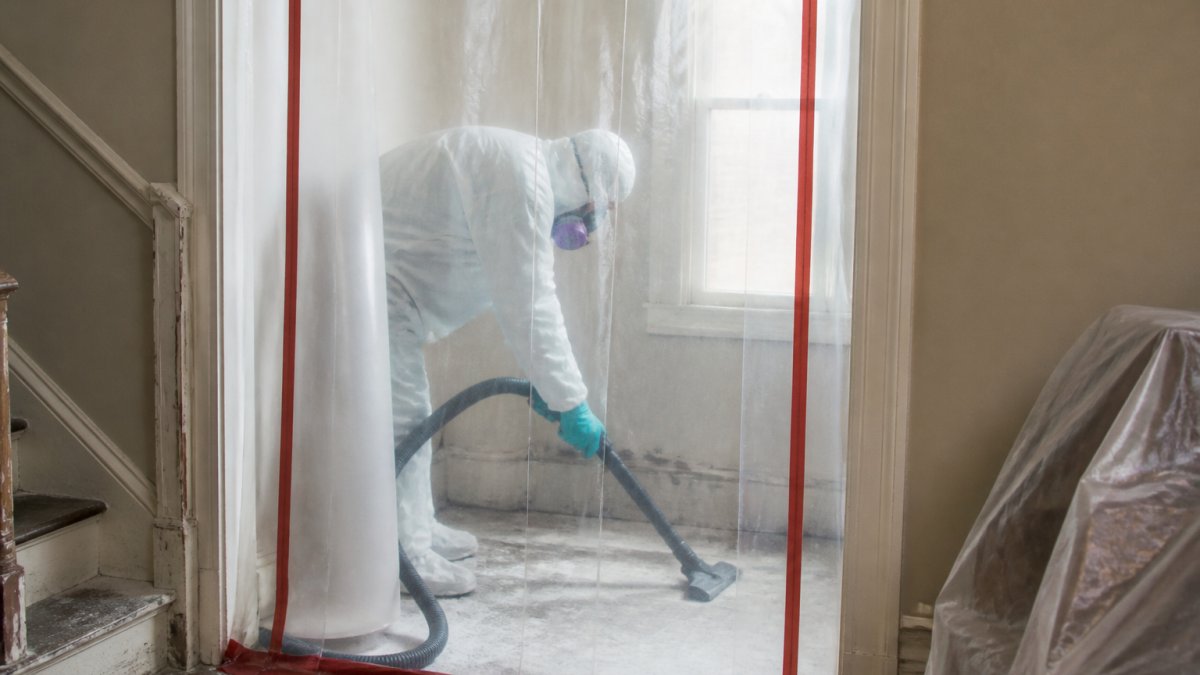
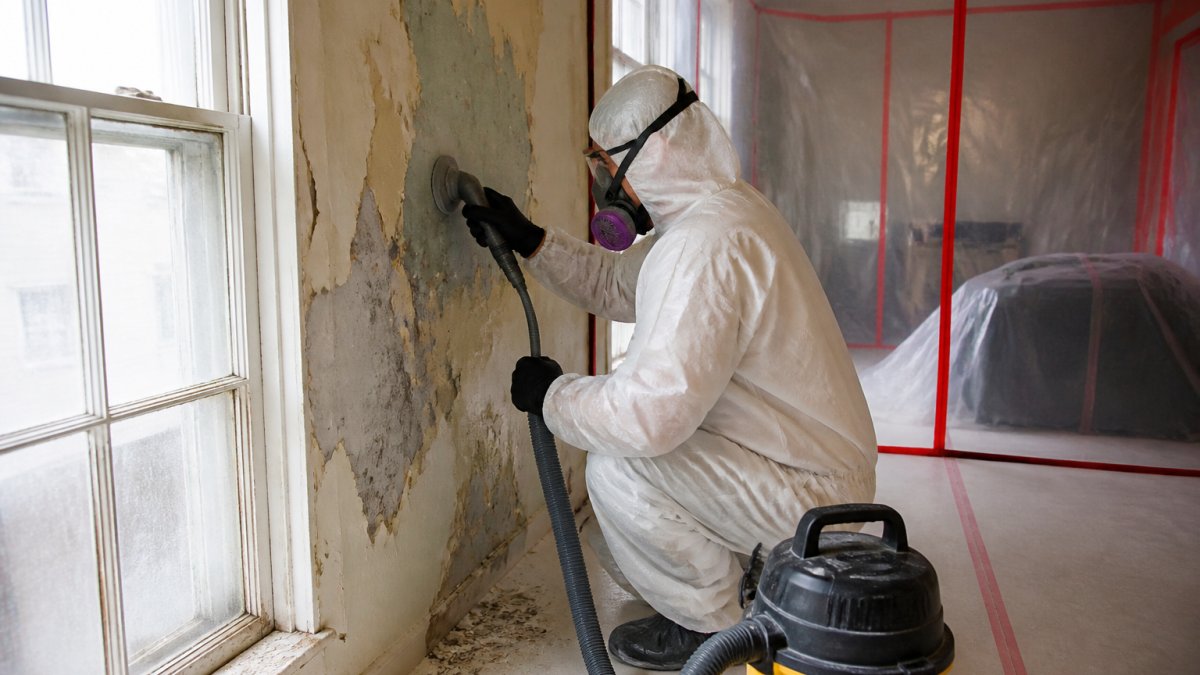
Lead abatement is the systematic process of removing or encapsulating lead-based paint to eliminate the hazard, following EPA guidelines. The process includes initial inspection and risk assessment, containment area setup with plastic sheeting and negative air pressure equipment, careful removal or encapsulation of lead-contaminated materials, HEPA vacuuming and wet cleaning, and final clearance testing to verify lead dust levels meet safety standards.
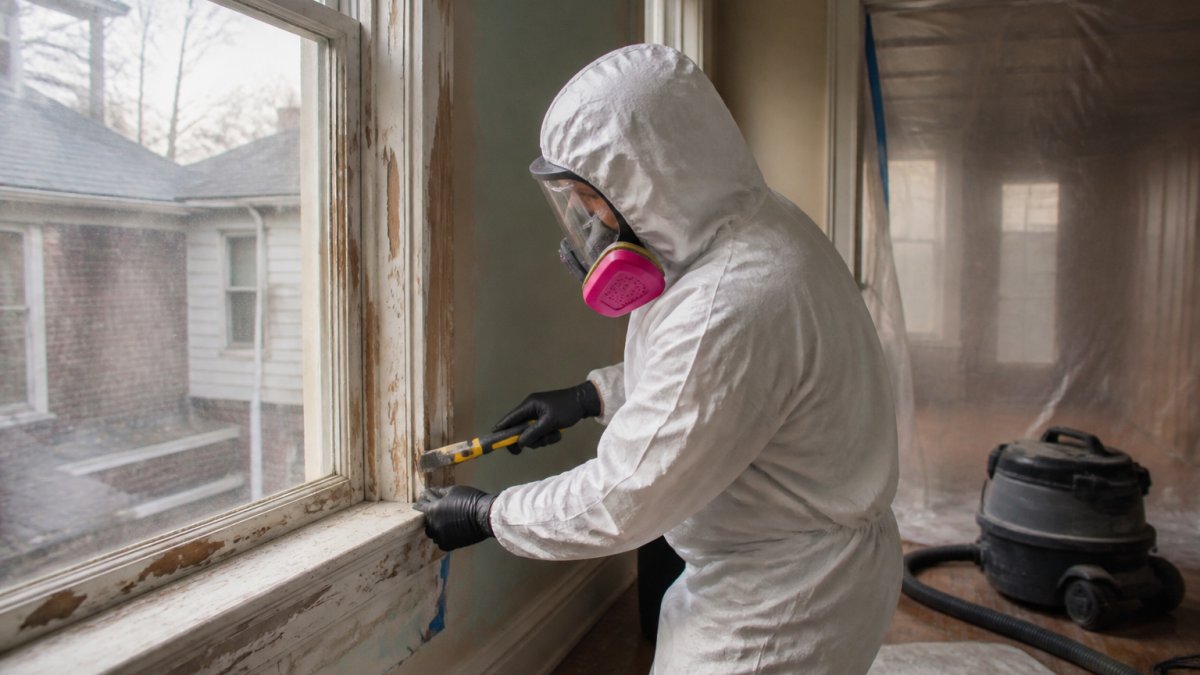
Certified contractors establish containment areas using plastic sheeting, duct tape, and negative air pressure systems to prevent lead dust spread. Workers wear full PPE including respirators, gloves, and protective suits, and all lead-contaminated debris is disposed of according to federal regulations.
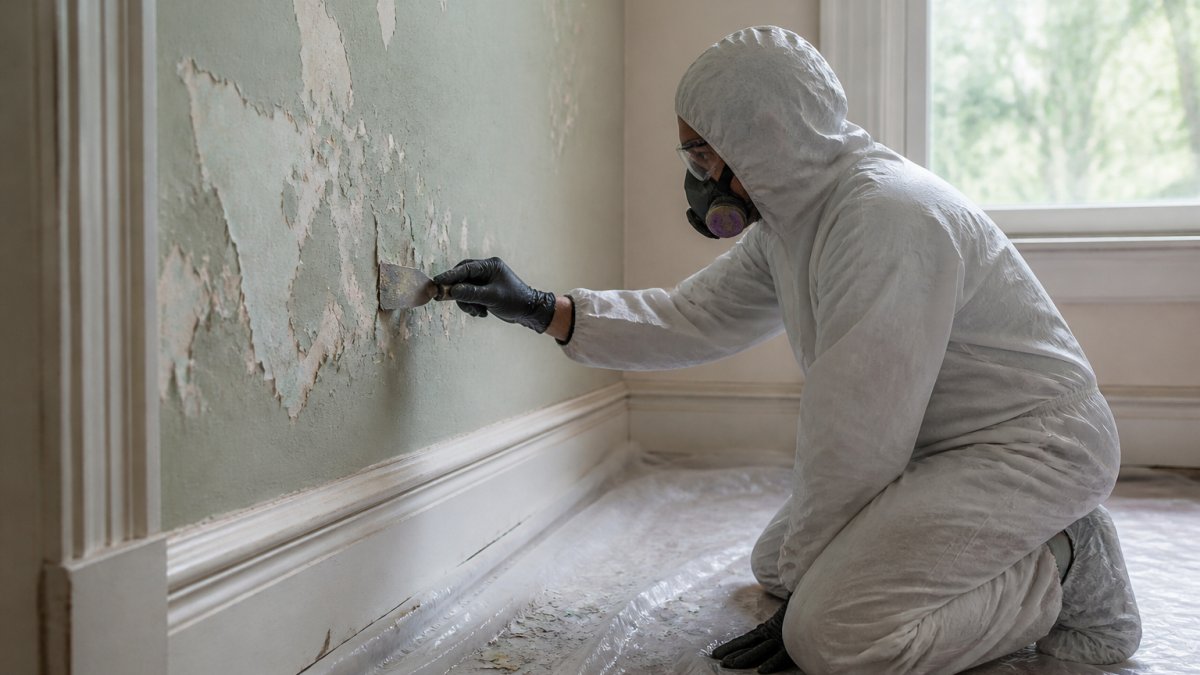
Post-remediation clearance testing confirms that lead levels are below EPA standards. A certified lead inspector performs dust wipe tests on surfaces throughout the home, providing documentation that the work was done correctly.
Health Risks: The Dangers of Lead Paint Dust Exposure
Lead is a neurotoxin that accumulates in the body over time and causes irreversible harm to developing brains (pubmed.ncbi.nlm.nih.gov). Children exposed to lead dust may experience reduced IQ, attention problems, hyperactivity, and learning disabilities with no immediate symptoms, making prevention through safe lead paint removal critical.
Pregnant women and nursing mothers face additional risks, as lead passes through the placenta and into breast milk. Adults exposed to lead dust can develop high blood pressure, kidney damage, and reproductive issues.
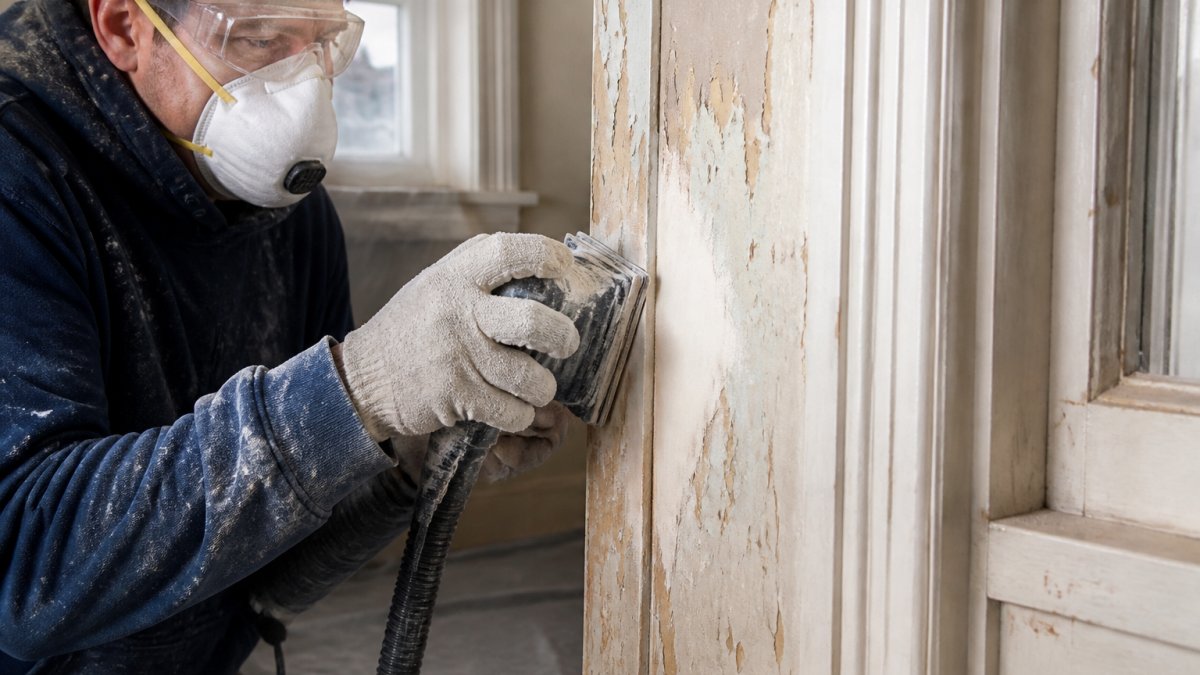
According to CDC guidance on lead poisoning prevention, there is no known safe level of lead exposure. The only effective protection is removing or properly encapsulating the lead source before it becomes airborne dust. DIY approaches, sanding, scraping, or heat-gun removal without professional containment, create massive amounts of lead dust and put your family at immediate risk. Professional contractors have the equipment, training, and certification to do this work safely.
Frequently Asked Questions
What should I look for in a certified lead paint removal contractor?
Verify that contractors hold EPA lead-safe certification and can demonstrate credentials from the Environmental Protection Agency's Renovation, Repair, and Painting (RRP) Rule program. Certified professionals follow lead-safe work practices, use HEPA vacuums and negative air pressure systems, and provide clearance testing after remediation. Ask for proof of certification, insurance coverage, and references from previous projects. Reputable contractors will openly discuss their containment methods and post-remediation verification procedures.
What is the difference between lead abatement and lead encapsulation?
Lead abatement involves removing or replacing lead-based paint entirely, addressing the hazard at its source. Lead encapsulation seals existing lead paint with a protective coating, preventing dust release without removal. Both are valid lead-safe renovation approaches, but encapsulation is typically less invasive and less disruptive to your home. Your contractor will assess which method suits your situation based on paint condition, substrate, and renovation scope. Professional assessment ensures you choose the approach that best protects your family.
Is it safe to stay in my home during lead paint removal?
No. During active lead paint abatement, you and your family should vacate the property. Professional contractors establish containment areas with negative air pressure and HEPA filtration to minimize dust spread, but the safest approach is temporary relocation. After work completion and clearance testing confirms lead dust levels are below EPA standards, your home is safe to reoccupy. Your contractor will provide specific guidance on timing and when it's safe to return.
Safe lead paint removal requires certified professionals, proper containment, and verification testing. Lead exposure poses serious, irreversible health risks to children and pregnant women. Virginia Lead Services provides comprehensive lead abatement and testing services with certified operators trained in EPA lead-safe work practices. Contact us to schedule a professional lead inspection and learn how we protect your family through safe, compliant remediation.