 How-to
Are You Renovating a Pre-1978 Home? What to Know
Last Updated: November 5, 2026
Quick Summary
To safely renovate pre-1978 homes, assume lead paint is present until testing proves otherwise, since the federal government banned lead-based paint in housing in 1978. Under the EPA Lead Renovation, Repair and Painting Rule, work that disturbs painted surfaces must be done by an EPA-certified firm using containment, dust control, and lead-safe cleanup.
- Lead paint was banned in housing in 1978, so treat any pre-1978 home as contaminated until tested.
- The EPA Lead Renovation, Repair and Painting Rule requires certified firms on pre-1978 homes when painted surfaces are disturbed.
- The rule does not cover minor repairs disturbing a small amount of painted surface, or homeowners doing their own work.
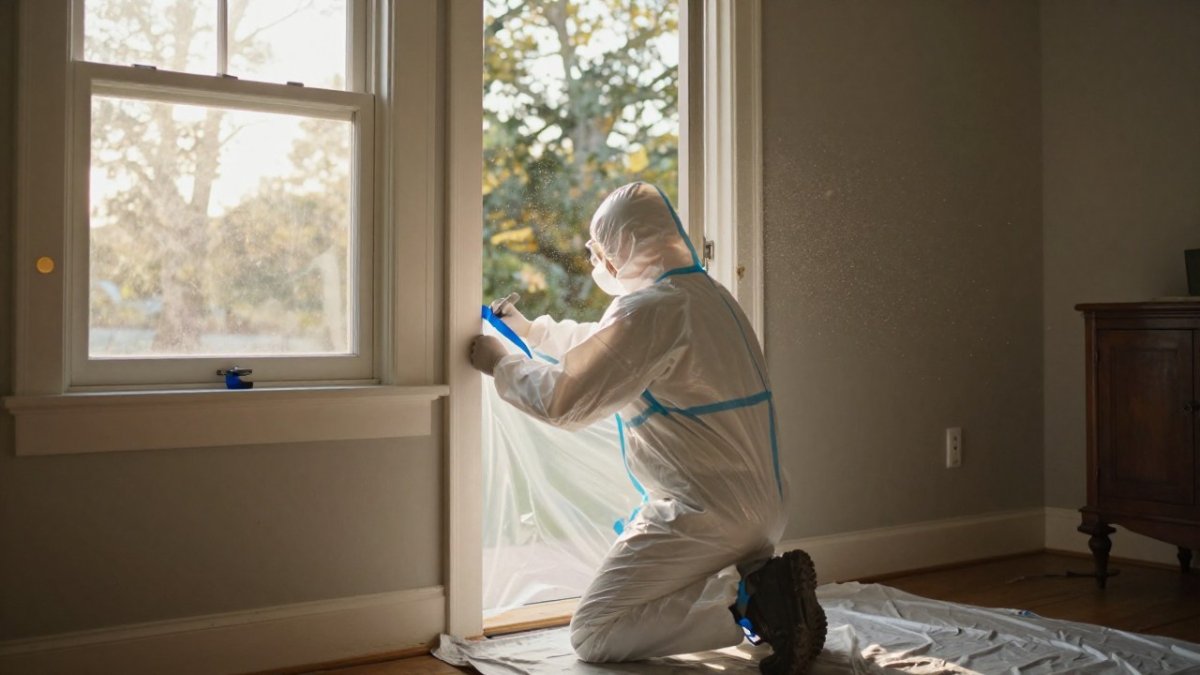
- Crews must seal doorways and vents with plastic sheeting and keep children and pregnant people out of the work area.
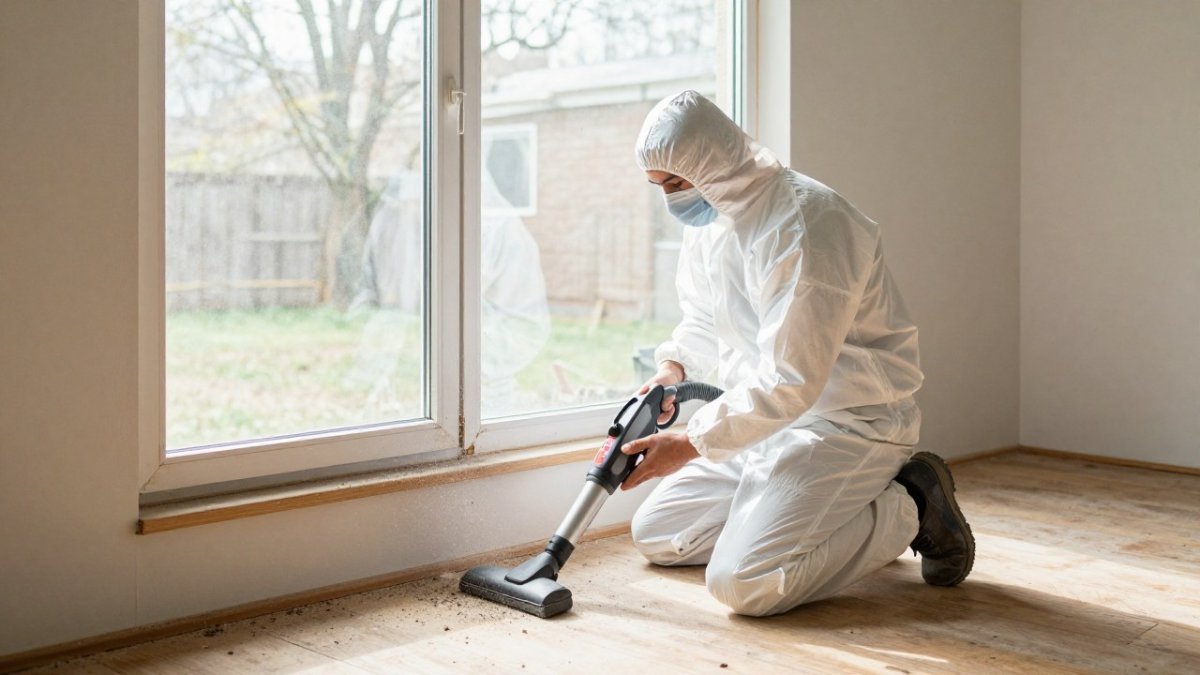
- Lead-safe cleanup relies on HEPA vacuums and wet cleaning, never dry sweeping or a standard vacuum.
Table of Contents
- Why Pre-1978 Homes Carry Lead Paint Risks
- The Lead Renovation, Repair and Painting Rule Explained
- Why EPA RRP Certification Matters When You Hire
- Lead Dust Containment and Cleanup on the Job Site
- Frequently Asked Questions
Why Pre-1978 Homes Carry Lead Paint Risks
Lead paint is the biggest hidden hazard in older housing. If you own or plan to renovate a pre-1978 home, assume lead paint is present until testing proves otherwise, since the federal government banned lead-based paint in housing in 1978 (the EPA).
The danger isn't intact paint, it's what happens when you disturb it. Sanding, scraping, cutting, and demolition turn old paint into fine dust and chips that settle on floors, toys, and small hands.
Children face the highest risk: their bodies absorb lead more easily and their growing brains are most vulnerable (the CDC). Pregnant people should also avoid lead dust, which can affect a developing baby (the CDC).
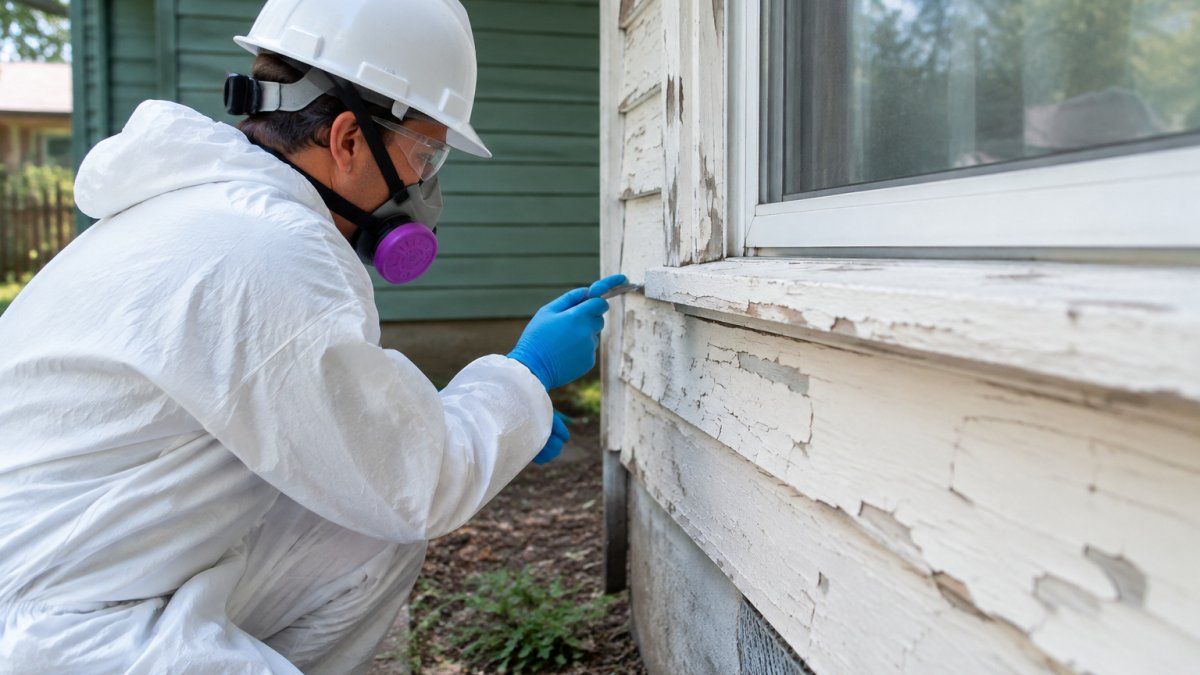
Common trouble spots include windows that stick or rub, peeling paint on trim, doors, and porches, friction surfaces like stair edges, and soil around the foundation where chips collect.
Dry sanding or dry scraping is the fastest way to spread lead dust through a whole house. If you spot cracking, chalking, or peeling paint, check our guide to the 7 signs of deteriorating lead paint in your home before planning any work.
The Lead Renovation, Repair and Painting Rule Explained
The Lead Renovation, Repair and Painting Rule is a federal EPA rule requiring lead-safe work practices on pre-1978 homes when renovation disturbs painted surfaces.
Under the rule, work must be performed by an EPA-certified firm, and crews must contain the work area, control dust, and follow lead-safe cleanup practices.
The rule doesn't apply to minor repairs disturbing a small amount of painted surface, and it doesn't cover homeowners doing their own work. But "it's just a small kitchen job" is a common, costly mistake, disturbing painted cabinets, trim, or window frames still creates dust.
For the state-level picture, read lead safe renovation requirements in Virginia. To understand the cleanup methods crews use, see the 5 professional lead dust containment methods.
Here is how the federal rule applies to renovation work in pre-1978 homes.
| Item | Detail | Note |
|---|---|---|
| Homes covered | Pre-1978 homes with painted surfaces disturbed | Assume lead paint until testing proves otherwise |
| Who must do the work | EPA-certified firm | Crews contain area, control dust, follow lead-safe cleanup |
| Minor repairs | Small amount of painted surface disturbed | Rule does not apply |
| DIY homeowners | Homeowners doing their own work | Rule does not cover them |
| Common mistake | Treating a small kitchen job as exempt | Disturbing cabinets, trim, or window frames still creates dust |
Why EPA RRP Certification Matters When You Hire
EPA RRP certification is a credential indicating that a firm has been trained to handle lead paint under federal lead-safe work practices. Hiring an uncertified crew puts your family at risk.
Ask for the firm's certification and the renovator's training certificate, then verify them yourself. Learn the steps in our guide on how to verify lead abatement certification.
A crew that skips containment or dry-sands is not working lead-safe, no matter what paperwork they show.
When you're ready to hire, review lead-safe renovation services to learn how Virginia Lead Services handles work from containment through cleanup.
Lead Dust Containment and Cleanup on the Job Site
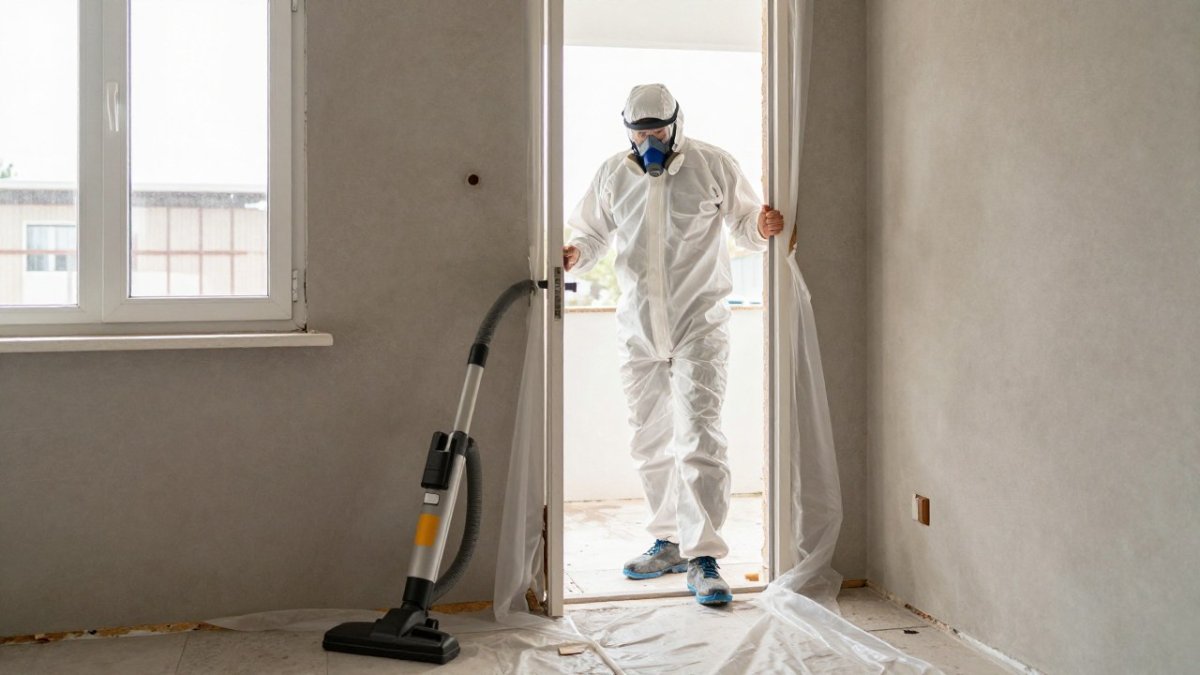
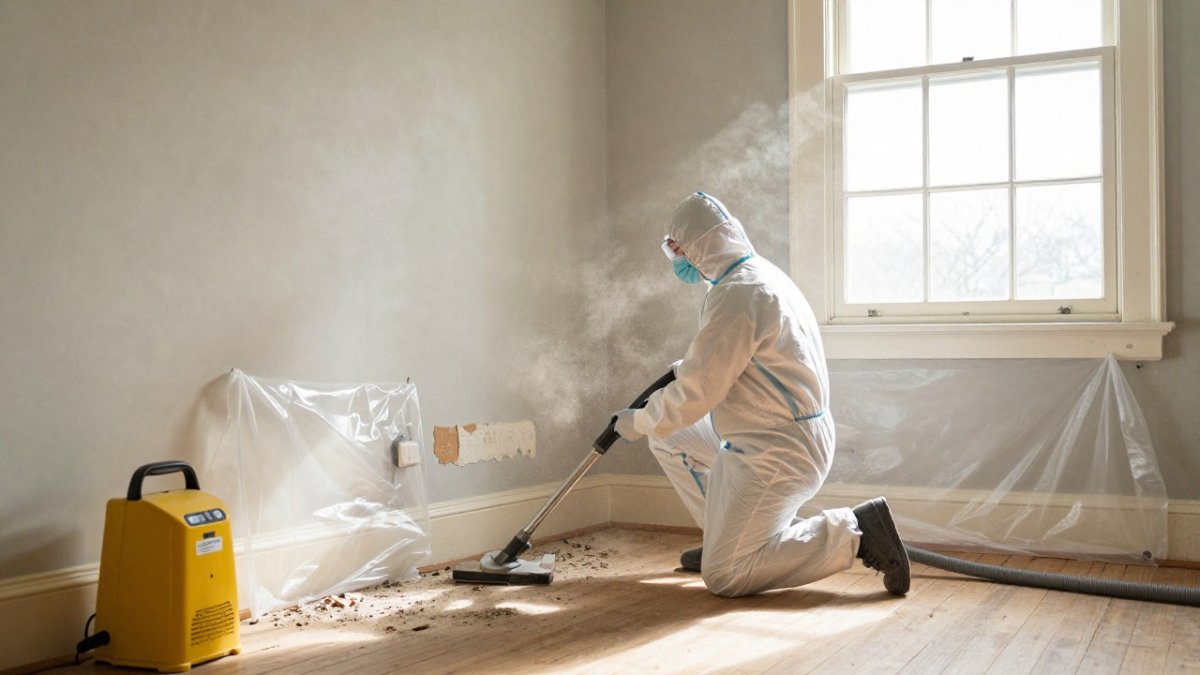
Containment is the heart of any lead-safe renovation: keep dust in one room and out of the rest of the house.
Containment work typically involves sealing doorways and vents with plastic sheeting and keeping occupants, especially children and pregnant people, out of the work area until cleanup is done.
Cleanup matters as much as containment, and lead-safe cleanup relies on HEPA vacuums and wet cleaning rather than dry methods that spread dust.
If you suspect lead dust has already spread, don't sweep or vacuum with a standard machine. That makes it worse. Call a certified professional to assess the space.
Frequently Asked Questions
Do all homes built before 1978 have lead paint?
No. Not every pre-1978 home contains lead paint, but the age of the house is the main reason testing is required before renovation. The only way to know is to have paint testing done by a certified inspector or risk assessor. If lead is present, an EPA-certified renovation firm can contain and manage it during the project so dust does not spread to occupants.
When does a renovation require an EPA-certified lead-safe contractor?
Under the Lead Renovation, Repair and Painting Rule, any renovation, repair, or painting project that disturbs painted surfaces in a pre-1978 home must be done by an EPA-certified firm using certified renovators and lead-safe work practices. This applies to kitchens, windows, siding, and any surface preparation that creates dust. Ask to see the firm's certification before work begins.
How can lead dust spread during a home renovation?
Sanding, scraping, demolition, and surface preparation release lead dust that settles on floors, furniture, and toys, and can be tracked through the rest of the house. Proper lead dust containment and cleanup includes plastic sheeting, sealed doorways, HEPA vacuuming, and wet cleaning. Certified renovators also verify the work area before occupants return, which protects children and pregnant people.
Renovating an older home shouldn't put your family at risk. At Virginia Lead Services, our certified operators handle lead abatement, testing, and removal with advanced dust and particulate containment, plus lead-safe wall prep and construction supervision. We help you meet legal and regulatory requirements and remodel with peace of mind. Get started with Virginia Lead Services and renovate your pre-1978 home safely.