 How-to
7 Signs of Deteriorating Lead Paint in Your Home
Quick Summary
Deteriorating lead paint shows up as chipping, cracking, peeling, or flaking paint, especially on friction surfaces like window sashes and doors. Chalky or powdery paint and paint dust on window wells are also warning signs. Homes built before 1978 are the most likely to contain lead-based paint.
- Homes built before 1978 are the most likely to contain lead-based paint.
- Paint chips on window sills or floors can spread lead into the home.
- Peeling or flaking paint on window sashes and doors is the main way lead becomes a hazard.
- Do not scrape, sand, or repaint damaged paint yourself; call a licensed professional instead.
- Keep children and pets away from the area when paint is damaged.
Table of Contents
- How to Identify Lead Paint in an Older Home
- Visible Signs of Deteriorating Lead Paint
- Lead Paint Hazards in Older Homes and Next Steps After Finding Damage
- Frequently Asked Questions
How to Identify Lead Paint in an Older Home
Homes built before 1978 are the most likely to contain lead-based paint (the EPA). The EPA guidance on lead-based paint explains why: lead was common in residential paint until the federal ban took effect that year. Knowing your home's age is the first step, but age alone does not confirm lead.
A common mistake is assuming a home is safe because the paint looks fine. Lead paint often hides under newer layers, so a clean surface can still hide a hazard.
Start with a simple check. Note the build date, look at paint on windows, doors, and trim, and check for cracking or peeling.
Visible Signs of Deteriorating Lead Paint
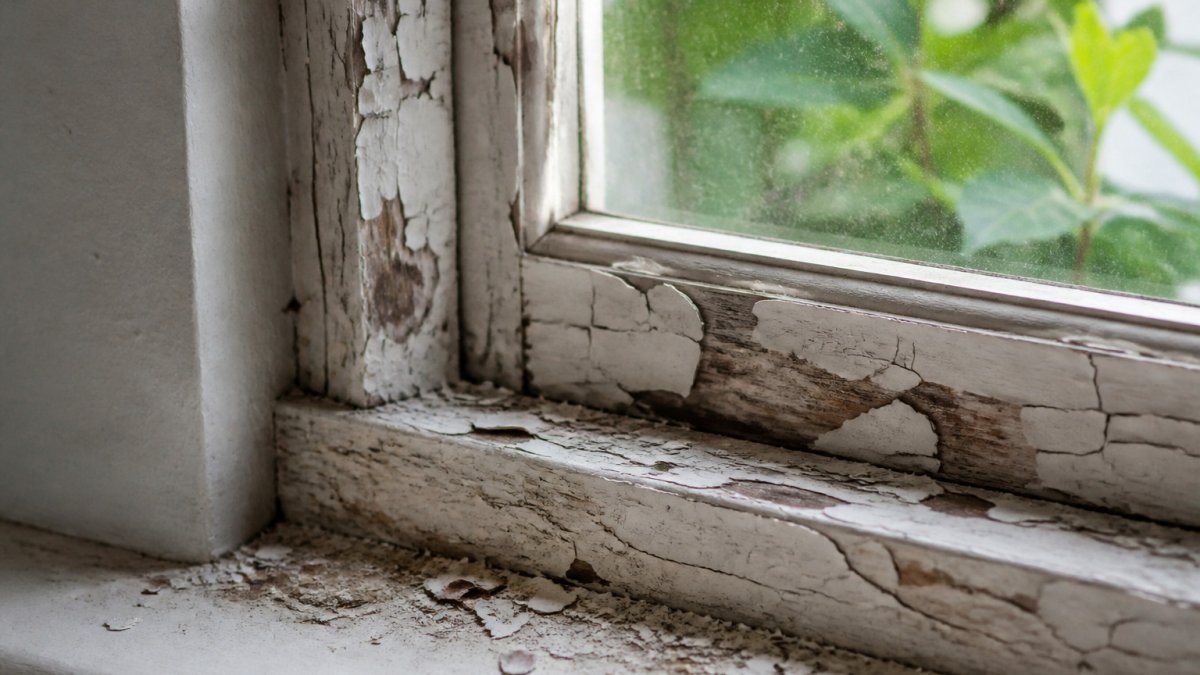
Deteriorating paint is the main way lead becomes a hazard (the EPA). Watch for chipping, cracking, peeling, or flaking paint, especially on friction surfaces like window sashes and doors. See how Virginia Lead Services handles peeling lead paint hazards. Chalky or powdery paint is another warning sign.
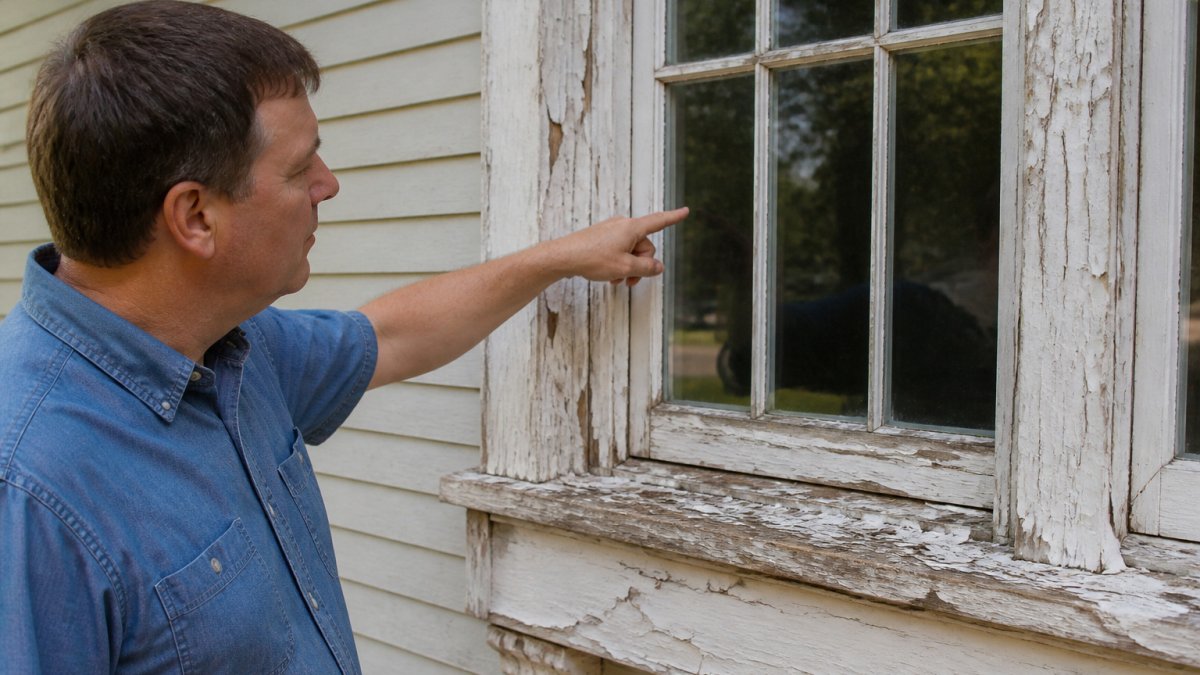
- Paint chips on window sills or floors
- Cracked or alligatored paint on trim
- Paint dust on window wells
- Multiple paint layers showing at edges
Dust from these surfaces can carry lead through the home, and deteriorating lead paint is one of the most common sources of exposure.
The article points to several visible signs that lead paint is deteriorating and where to look for them.
| Sign | Where to look | Why it matters |
|---|---|---|
| Chipping paint | Window sills, floors | Can spread lead into the home |
| Cracked or alligatored paint | Trim | Signals paint breakdown |
| Peeling or flaking paint | Friction surfaces like window sashes and doors | Main way lead becomes a hazard |
| Chalky or powdery paint | Painted surfaces | Warning sign of deterioration |
| Paint dust | Window wells | Dust can carry lead through the home |
| Multiple paint layers at edges | Paint edges | Suggests older lead-containing layers |
Lead Paint Hazards in Older Homes and Next Steps After Finding Damage
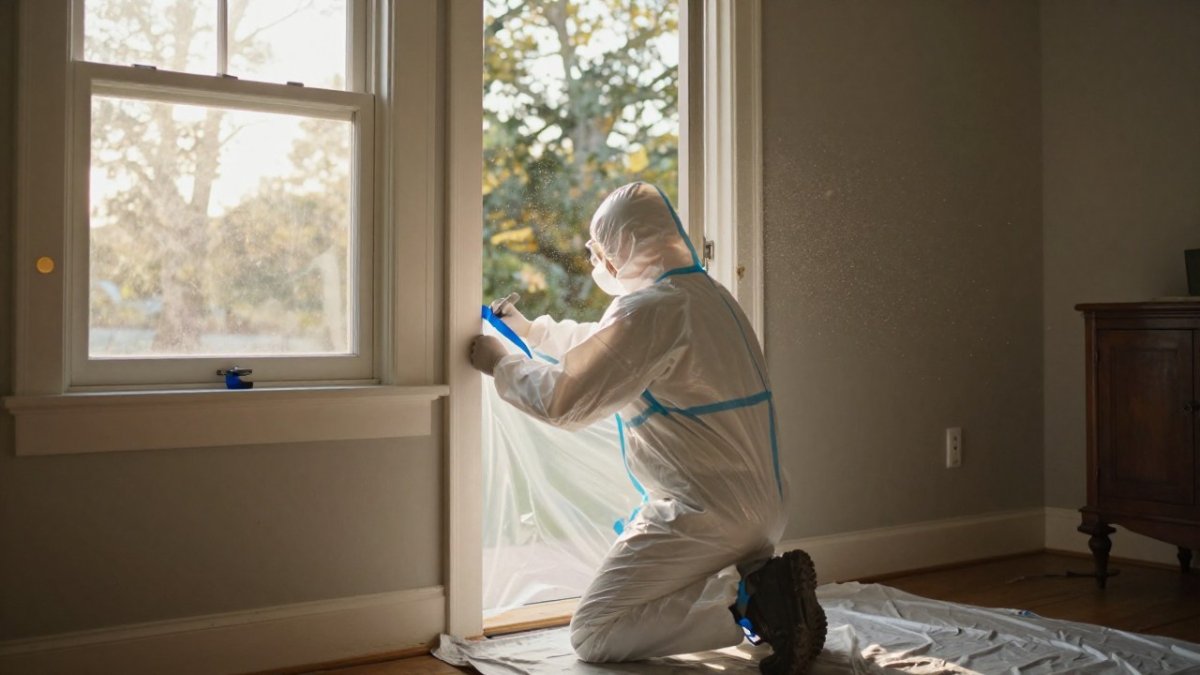
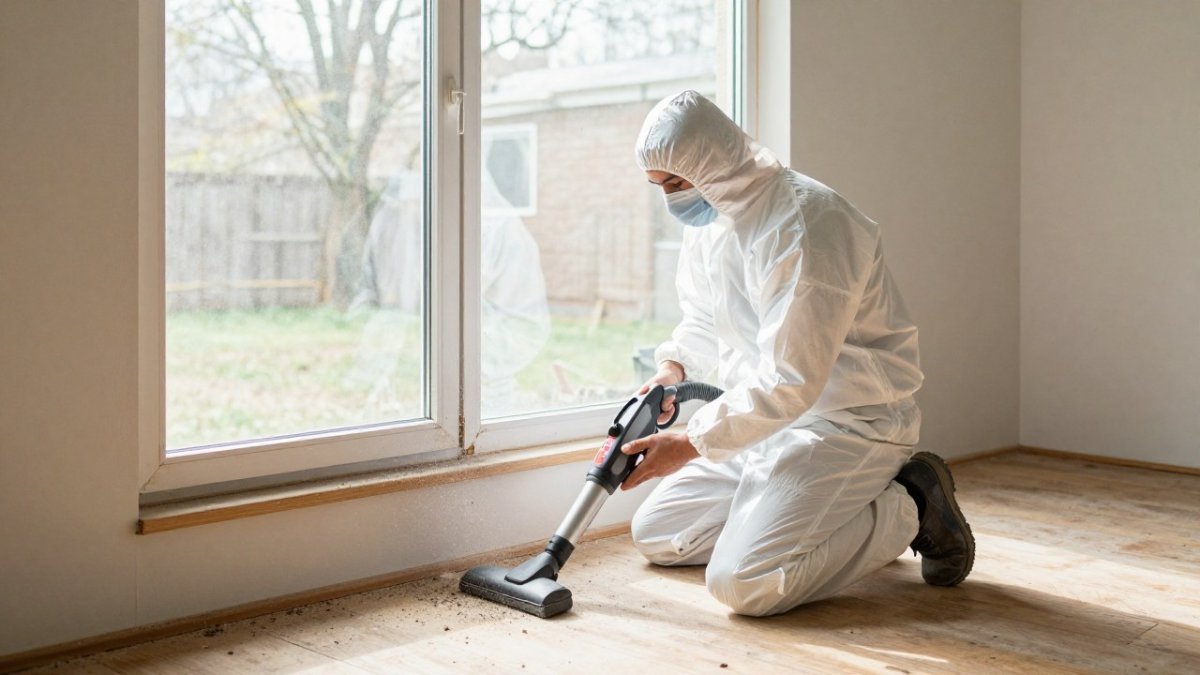
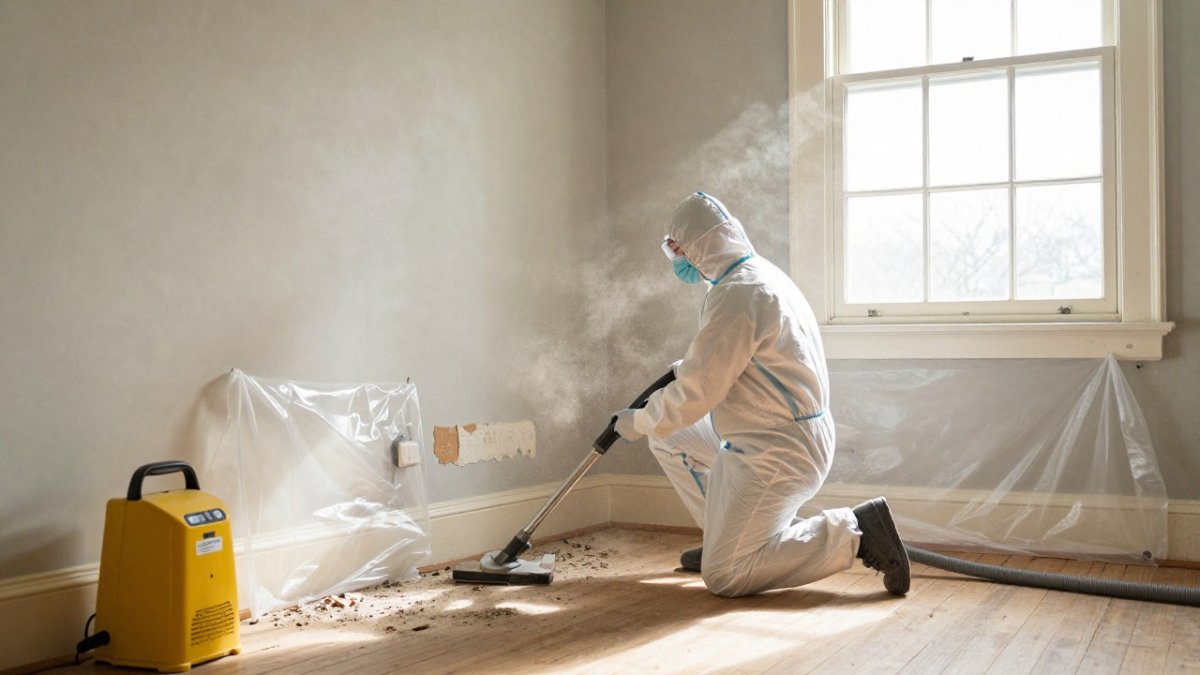
If you find damaged paint in a pre-1978 home, do not scrape, sand, or repaint it yourself. Disturbing lead paint releases dust that is hard to clean and risky for children and pregnant people. Keep kids and pets away from the area and call a licensed professional. Learn what a lead abatement involves if the paint is confirmed to be deteriorating lead paint. Contact a qualified professional to test the paint and recommend next steps.
Last Updated: November 1, 2026
Frequently Asked Questions
How do I know if my house has lead paint?
A home built before 1978 is the most likely to contain lead-based paint, since the federal ban on lead paint for residential use took effect that year. Age alone does not confirm lead, though. Lead paint can only be identified with testing by a qualified professional, such as a certified lead inspector or risk assessor. Visual cues like chipping or peeling paint on an older home are reasons to schedule testing, not proof on their own.
What should I do if I find peeling paint in an older home?
Keep children and pregnant people away from the damaged area, and avoid scraping, sanding, or dry-cleaning the paint yourself. Do not attempt repairs on suspected lead paint. Clean up loose debris carefully and contact a qualified professional to test the paint and recommend next steps. Professional guidance can help protect your household.
Why is lead paint dust dangerous?
Deteriorating paint on friction surfaces such as window sashes and doors, and on impact surfaces such as trim, releases fine dust and paint chips. This lead-contaminated dust settles on floors, sills, and toys, where children can ingest it through normal hand-to-mouth behavior. Even small amounts can affect a child's development. Because dust can be invisible, professional testing is the reliable way to learn whether a home has a lead hazard.