 how-to
How to Verify Lead Abatement Certification
Table of Contents
- Why Verifying Lead Abatement Certification Matters
- Step-by-Step Process to Verify Lead Abatement Certification
- Lead Abatement vs. Lead-Safe Renovation: Understanding the Difference
- Frequently Asked Questions
Last Updated: October 5, 2026
Why Verifying Lead Abatement Certification Matters
Lead paint poses serious health risks, especially for children and pregnant women, and homes built before 1978 may have lead-based paint in walls and trim. When hiring someone for lead abatement work, you need to know they're qualified.
Verify lead abatement certification before signing any contract. A certified professional has completed required training and passed examinations, and understands proper containment, safe removal, and cleanup. An uncertified contractor might spread lead dust throughout your home, creating more danger than the original paint.
Federal law requires certified professionals for most lead abatement work in homes, so hiring an unqualified person puts your family at risk and may violate regulations (the EPA).
Step-by-Step Process to Verify Lead Abatement Certification
Step 1: Ask for the contractor's certification number. A certified professional should provide this immediately; hesitation is a red flag.
Step 2: Check the EPA Lead-Safe Certified Firm Locator. Search the official EPA database by company name or location to see certification status and expiration date.
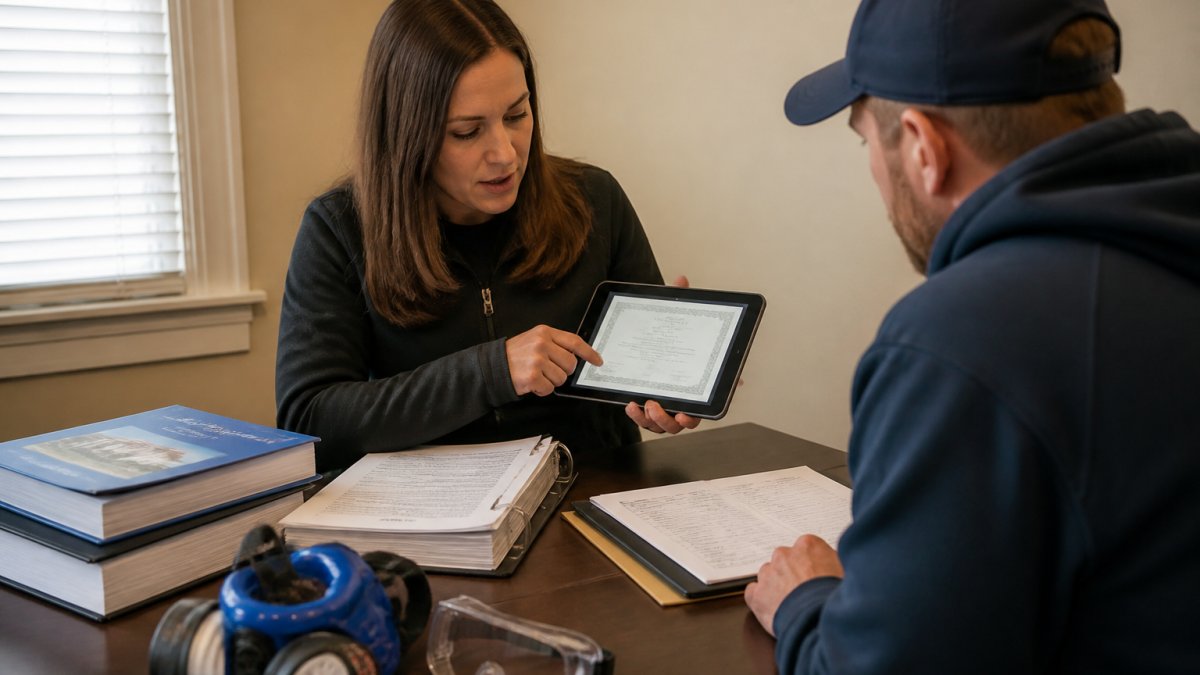
Step 3: Verify individual certification separately. A firm may be certified, but the person doing your work also needs individual credentials.
Step 4: Confirm the certification is current. Certifications expire, and an expired one means the professional no longer meets current standards.
Step 5: Request documentation. Ask for copies of certificates and review training completion dates and accreditation details.
Step 6: Contact your state regulator if needed. Each state manages lead abatement certification and maintains its own records if the EPA database comes up empty.
| Verification Step | What to Check | Why It Matters |
|---|---|---|
| Certification number | Provided by contractor | Proves they completed training |
| EPA database | Current status and expiration | Confirms active certification |
| Individual vs. firm | Both must be certified | Firm certification alone isn't enough |
| Expiration date | Not lapsed | Ensures current knowledge and compliance |
| Documentation | Certificates and training records | Provides independent verification |
Lead Abatement vs. Lead-Safe Renovation: Understanding the Difference
Lead abatement is complete removal of lead-based paint and contaminated materials, eliminating the hazard entirely using specialized equipment and containment.
Lead-safe renovation controls lead dust during repairs or updates. It doesn't remove all lead paint or eliminate the underlying hazard, but it prevents contamination during the project.
Abatement is more involved and requires certified professionals, while renovation work has fewer requirements but must still follow lead-safe practices.
Federal regulations require certified lead abatement professionals for most work in pre-1978 homes, and renovation rules vary by project scope (the EPA). Never attempt lead paint work yourself, since improper handling spreads contamination and creates serious health risks.
When work is needed on a pre-1978 home, ask whether the project requires abatement or renovation.
Frequently Asked Questions
How do I know if a contractor is EPA lead-certified?
An EPA-certified lead abatement professional should be listed in the EPA Lead-Safe Certified Firm Locator database. You can search by the contractor's name, city, or state. Ask the contractor directly for their EPA certification number and verify it matches the database. Additionally, request a copy of their current certification card and check the expiration date to ensure it remains valid.
What is the difference between lead-safe and lead-abatement certification?
Lead-abatement certification authorizes professionals to permanently remove lead-based paint and contaminated dust from homes. Lead-safe renovation certification allows contractors to perform renovation, repair, and painting work in homes with lead-based paint while following specific containment and cleanup protocols to prevent lead dust exposure. Lead abatement is a more specialized credential requiring additional training and accreditation through approved providers.
Are lead abatement certifications state-specific or federal?
Lead abatement certifications are issued at both federal and state levels. The EPA establishes federal requirements and maintains the Lead-Safe Certified Firm Locator. Individual states also maintain their own registration and licensing systems for lead professionals and firms. When verifying certification, check both the EPA database and your state's environmental or health department to ensure full compliance with all applicable regulations.
Protecting your family from lead paint starts with hiring the right professional. Verify lead abatement certification before work begins. Virginia Lead Services employs certified operators trained in dust and particulate containment practices. We ensure your home meets all legal requirements and your family stays safe during renovations and repairs.