 How-to
How to Know If Homeowners Insurance Covers Lead Testing
Last Updated: November 10, 2026
Quick Summary
No, homeowners insurance almost never covers lead testing. Most policies treat lead as a pollutant and exclude it, so testing, risk assessments, and inspections are typically paid by the homeowner. A narrow exception may apply if a covered event like a fire or burst pipe spreads lead dust.
- Lead paint was common in homes built before 1978, and federal disclosure rules apply to sellers and landlords.
- Insurance may sometimes pay for cleanup when a covered event like a fire spreads lead dust.
- A positive lead test does not automatically mean you must abate; a risk assessment determines the next step.
- Only certified professionals can perform lead-based paint activities, including inspections and risk assessments.
- Renters can request testing in writing, and landlords of pre-1978 units have disclosure duties.
Table of Contents
- Does Homeowners Insurance Cover Lead Testing? The Short Answer
- The Homeowners Insurance Lead Paint Exclusion, Explained
- Does Homeowners Insurance Cover Lead Abatement?
- What Happens If a House Tests Positive for Lead?
- Lead Paint Testing for Homes: How to Arrange It and Document It
- Frequently Asked Questions
Does Homeowners Insurance Cover Lead Testing? The Short Answer
No, homeowners insurance almost never covers lead testing. Most policies treat lead as a pollutant, and pollutants sit outside the covered perils list.
The Homeowners Insurance Lead Paint Exclusion, Explained
The homeowners insurance lead paint exclusion is a policy clause that removes lead from what your insurer will pay to investigate, clean up, or remove. It usually sits under pollution or contaminant exclusions, since lead dust falls under pollution exclusions, peeling paint is wear and tear, and the hazard pre-dates your policy.
Lead paint is any paint made with lead as an ingredient, and it was common in homes built before 1978. The federal disclosure rule requires sellers and landlords to tell buyers and renters about known lead-based paint in pre-1978 housing (the EPA). You can read the details through the EPA lead disclosure rule.
One narrow exception: if a covered event like a fire or burst pipe disturbs lead paint and spreads dust, some policies may pay for cleanup. Ask your adjuster directly.
Does Homeowners Insurance Cover Lead Abatement?
No. Homeowners insurance does not cover lead abatement, for the same reason it blocks testing: abatement is a planned fix for a known hazard. If you are ready to move forward, you can request a free consultation for lead abatement, lead-safe renovation, and lead risk mitigation.
| Term | What It Means | Covered by Insurance? |
|---|---|---|
| Lead testing | Sampling paint, dust, soil, or water for lead | Almost never |
| Lead abatement | Permanent removal or sealing of lead hazards | No |
| Damage from a covered event | Cleanup after a fire or burst pipe spreads lead dust | Sometimes |
Our team walks homeowners through what to expect during lead abatement, and this breakdown of whether lead abatement is worth the cost covers the trade-offs.
What Happens If a House Tests Positive for Lead?
A positive test is not a crisis and does not automatically mean you must abate. It means lead is present, and the next step is a risk assessment to see how much and where.
Intact paint is often managed by monitoring and careful cleaning; deteriorating paint or high dust levels need abatement or lead-safe renovation; soil or water lead is handled separately.
Lead exposure is the real concern, especially for young children and pregnant women. Lead is a neurotoxin with no safe blood lead level in children, which is why testing matters even when paint looks fine (the CDC). Keep your written report as your record for future buyers, renters, and contractors.
Lead Paint Testing for Homes: How to Arrange It and Document It
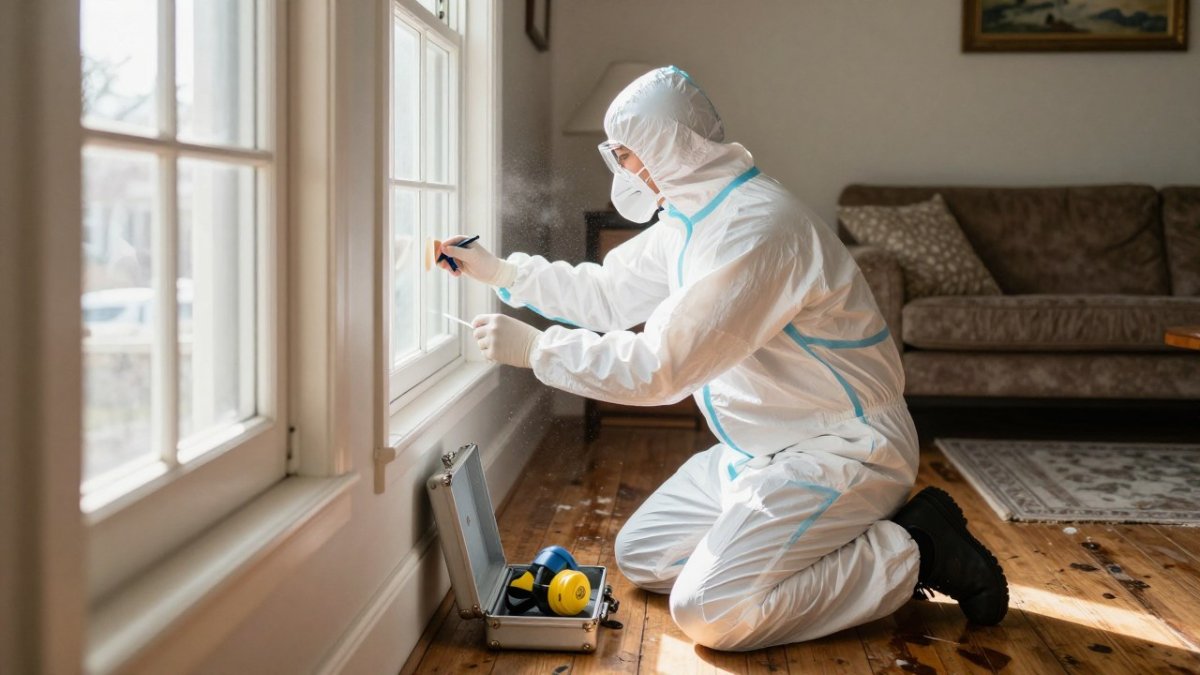
Start by hiring a certified inspector. Only licensed professionals can perform lead-based paint activities, including inspections and risk assessments. Testing is not a DIY job, because improper sampling can spread dust or miss the hazard entirely.
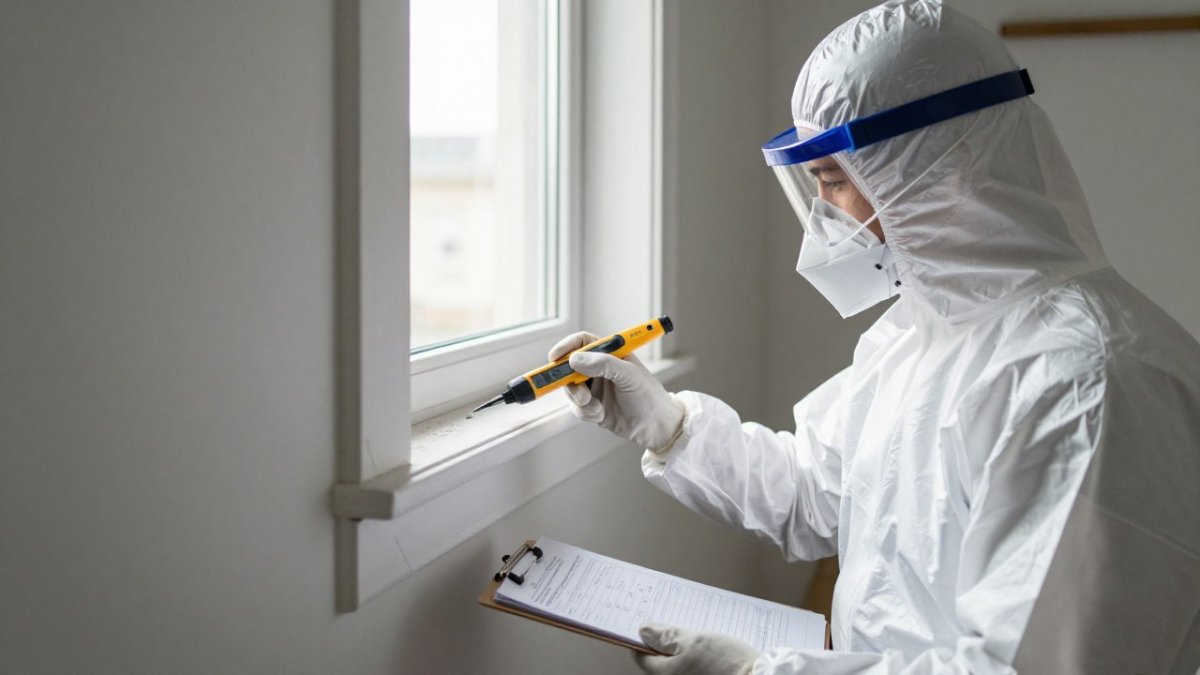
Confirm the inspector's certification and license number before booking, request the right service (a paint inspection locates lead; a risk assessment determines whether it is a hazard), ask about dust, soil, and water sampling, and get the report in writing with lab results and photos.
Lead paint testing in Virginia depends on the method used and the age of the home, and our page on lead paint testing in Virginia explains who is allowed to do the work and how the process is regulated.
WATCH OUT: Do not let a general contractor "test" for lead with a hardware store swab and call it an inspection. Only a certified professional produces a report that holds up for real estate, rental compliance, or a clearance decision.
Frequently Asked Questions
Does homeowners insurance cover lead testing?
Most standard homeowners policies do not cover lead testing. Lead is classified as a pollutant, and pollution exclusions remove coverage for testing, cleanup, and removal of lead-based paint. Some insurers offer limited coverage through endorsements or riders, but you must confirm this in writing with your insurer before scheduling lead testing for homes. Review your policy's exclusions section or ask your agent directly.
What happens if my house tests positive for lead?
A positive result means lead-based paint or lead dust is present. You should avoid dry sanding, scraping, or demolition that spreads dust, and keep children away from peeling paint. A certified inspector can perform a risk assessment to determine severity. Remediation options range from specialized cleaning to abatement. Your insurer should be notified if you plan to file a claim.
Will homeowners insurance cover lead abatement?
Typically no. Lead abatement is usually excluded because it addresses a pre-existing condition and a pollutant. Coverage may apply only if a sudden covered event, such as a fire or burst pipe, caused lead paint to become airborne or contaminate the home. Even then, policy limits and deductibles apply. Ask your insurer for a written coverage determination before any abatement work begins.