 how-to
Is Lead Abatement Worth the Cost? A 2026 Guide
Table of Contents
- Is Lead Abatement Worth the Cost for Your Home?
- Lead Abatement vs. Lead-Safe Renovation: Which Fits Your Situation
- Lead Paint Inspection and Risk Assessment: The First Step
- Frequently Asked Questions
Last Updated: October 17, 2026
Is Lead Abatement Worth the Cost for Your Home?
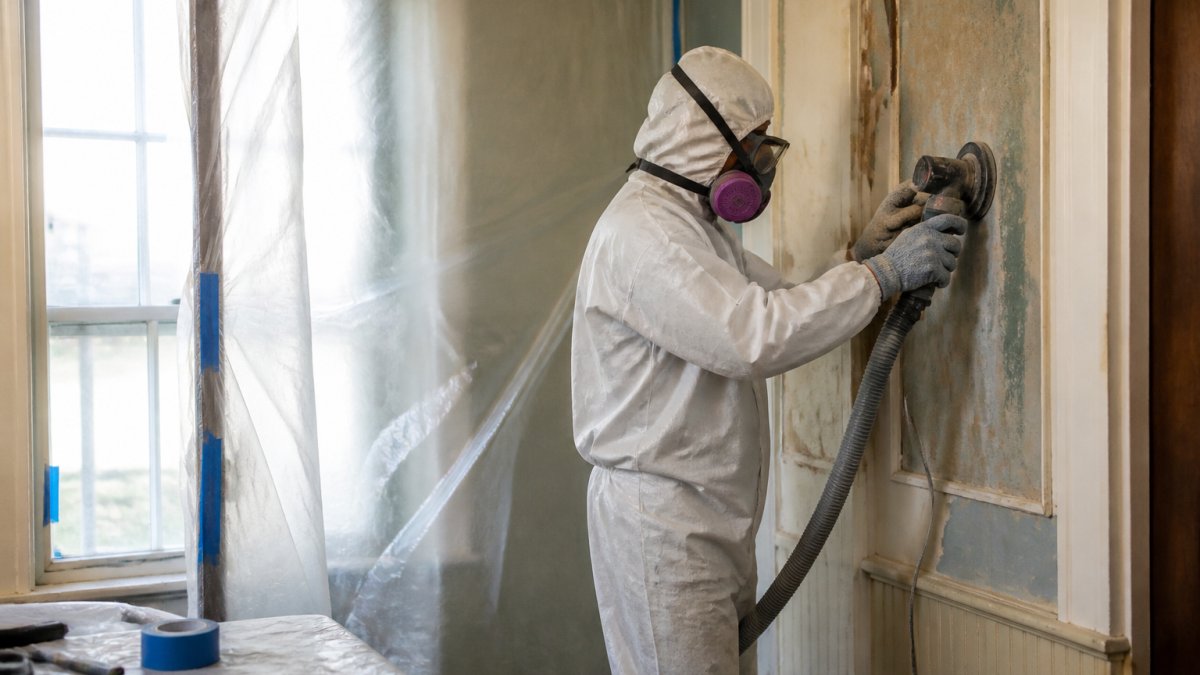
Whether lead abatement is worth the cost depends on paint condition, home age, and who lives there. A lead abatement project removes or permanently seals lead-based paint hazards. For a family with young children in an older home, the health protection usually justifies the expense.
This guide from Virginia Lead Services covers the rules, the real risks, and the services that make a home lead-safe.
Lead-based paint hazards are a serious concern in homes built before 1978 (the EPA). Lead exposure can harm the brain and nervous system, and children face the greatest risk (the CDC). In most cases, testing and abatement are still worthwhile after years of exposure, removing the hazard now lowers future risk.
Pricing depends on property size, the severity of contamination, and the abatement methods used. Because every project is different, Virginia Lead Services provides a quote based on an on-site inspection rather than a flat rate.
Lead Abatement vs. Lead-Safe Renovation: Which Fits Your Situation
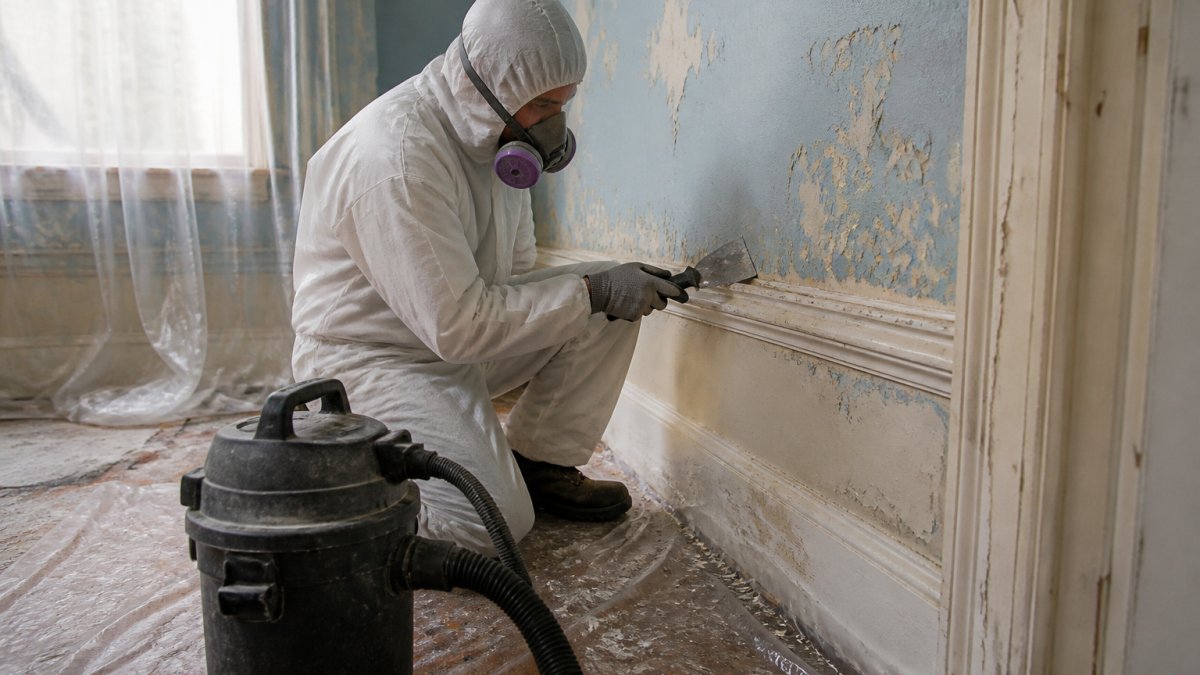
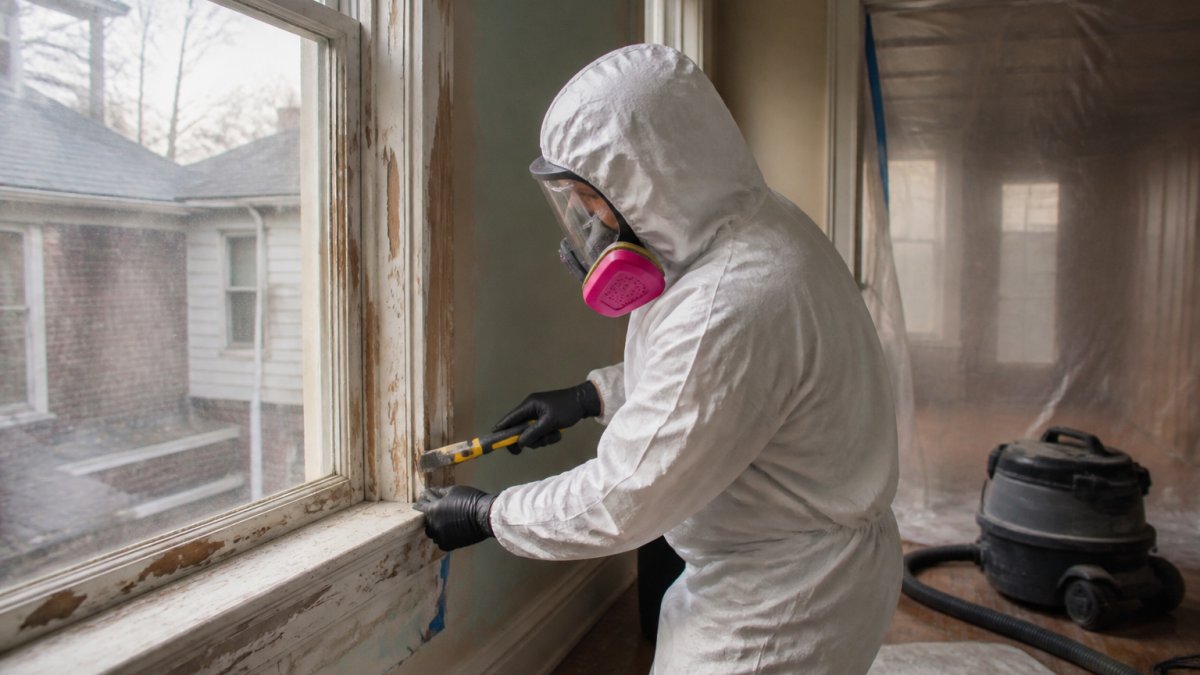
Lead abatement removes or permanently contains lead-based paint hazards. Lead-safe renovation, often tied to the RRP rule, controls dust and contamination during a remodel without fully removing the hazard.
The choice depends on your goal:
- Full abatement: Best when paint is peeling, chalking, or failing, or when young children live in the home.
- Lead-safe renovation: Best for a limited remodel where the paint is intact and disturbance is small.
- Encapsulation or enclosure: Best when removal would damage historic features or cost too much.
Virginia Lead Services performs both abatement and lead-safe wall prep, so we match the method to the risk.
Lead Paint Inspection and Risk Assessment: The First Step
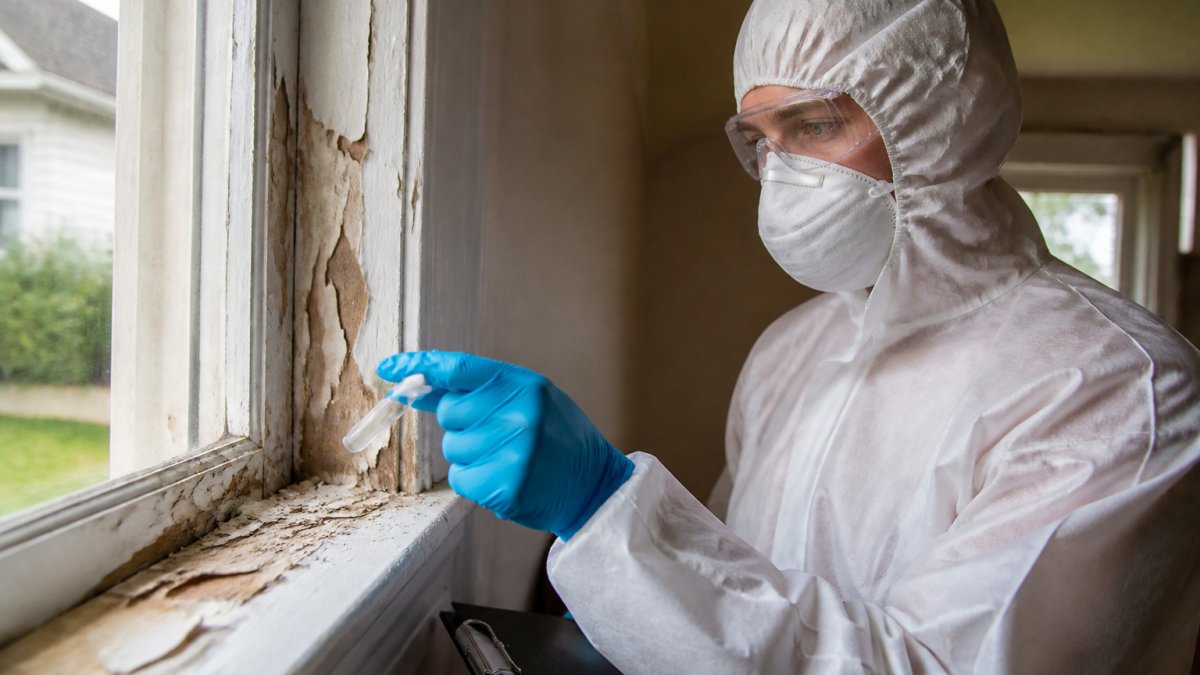
Every decision starts with lead paint testing. A lead inspection finds where lead-based paint is present. A risk assessment goes further and identifies hazards, such as deteriorating paint, lead dust, and contaminated soil.
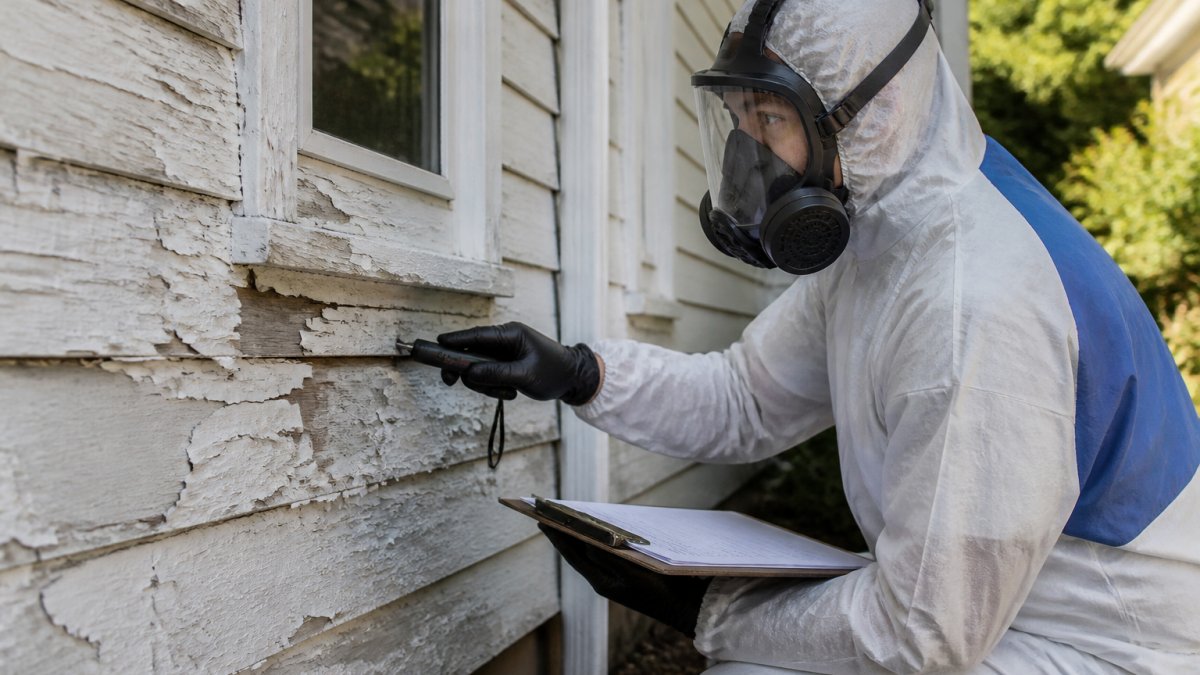
Here is how the process usually runs:
- Visual review of paint condition inside and out.
- Dust and paint sampling to measure lead levels.
- A written report listing hazards and safe levels.
- Clearance testing after any work is done.
Clearance testing confirms the cleanup worked. Without it, you cannot be sure the home is safe. Virginia Lead Services provides testing and clearance as part of our abatement projects.
For official guidance on identifying and controlling lead hazards, see the EPA lead-based paint resources.
Frequently Asked Questions
What is the difference between lead abatement and lead-safe renovation?
Lead abatement permanently removes or addresses the lead hazard, such as through paint removal or component replacement, while lead-safe renovation uses containment and dust-control practices to manage the hazard during work. Abatement is more thorough but costs more, while lead-safe renovation is often used for smaller projects where full removal is not necessary. The right choice depends on the condition of your paint, the scope of your project, and whether children under six live in the home.
How can you tell whether lead abatement was successful?
Success is confirmed through clearance testing after the work is complete. A certified professional collects dust samples from floors, window sills, and other surfaces and compares them to safe levels. If the results pass, the area is cleared for reoccupancy. Without clearance testing, you have no documented proof that the abatement worked, so always ask for the results before making final payment.
What factors affect the cost of professional lead abatement?
Cost depends on the size of the property, the severity of contamination, the abatement methods used, and the amount of labor required. Access to the work area, the presence of multiple hazards, and the need for containment and disposal also affect the total. Because every project is different, Virginia Lead Services provides a quote based on an on-site inspection rather than a flat rate.
The risk of lead exposure in an older home is real, and guessing about it is not a plan. If your property was built before 1978, the safest path is a professional inspection followed by the right hazard control method. Virginia Lead Services offers certified operators, dust and particulate containment, and clearance testing to confirm the work meets legal and regulatory requirements. Submit your request today and let our team help you protect your family and your property.