 Comparison
Is Lead Abatement Better Than Encapsulation?
Last Updated: November 2, 2026
Quick Summary
Lead abatement is the permanent elimination of a lead-based paint hazard through removal, replacement, or enclosure, while encapsulation seals intact paint under a specialized coating. Encapsulation only works on intact, well-adhered paint, so deteriorated paint and friction surfaces like window sashes need lead abatement instead.
- The EPA rule defines abatement to include removal, enclosure, and replacement, with encapsulation treated as a separate activity.
- Encapsulation is often cost-effective for large expanses of sound paint on walls or ceilings.
- An encapsulating coating over chalky, peeling, or damp paint will fail and create a removal problem.
- No contractor should quote abatement or encapsulation before an inspection and risk assessment.
- In Virginia, only licensed professionals may perform lead-based paint activities, including inspections and risk assessments.
Table of Contents
- Lead Abatement vs. Encapsulation: What's the Difference?
- Lead Paint Inspection and Risk Assessment: The First Step
- Lead-Safe Renovation Requirements and Lead Dust Cleanup
- Frequently Asked Questions
Lead Abatement vs. Encapsulation: What's the Difference?
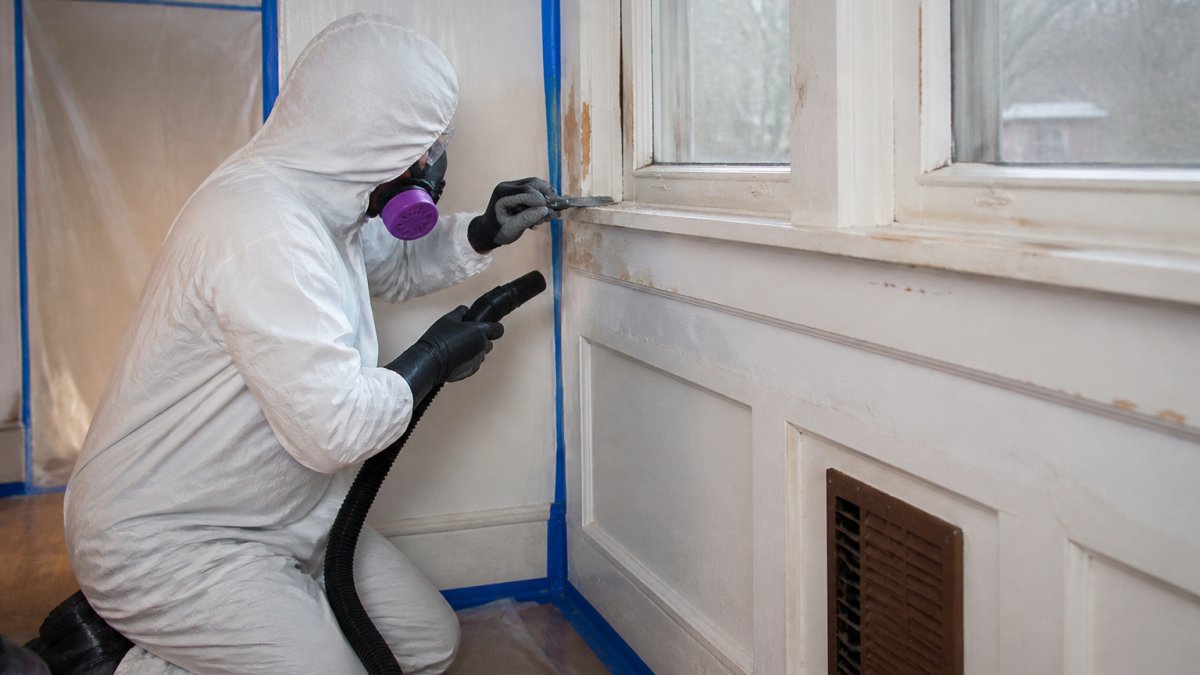
Lead abatement versus encapsulation comes down to one question: are you removing the hazard or sealing it in place? Lead abatement is the permanent elimination of a lead-based paint hazard through removal, replacement, or enclosure; encapsulation is a specialized coating applied over intact lead paint to create a sealed barrier.
That distinction drives cost, durability, and which option a licensed professional will recommend. Encapsulation only works on paint that is intact and well-adhered; deteriorated paint, friction surfaces like window sashes and door jambs, and impact surfaces need more than a coating.
The federal EPA lead-based paint abatement and evaluation rule defines abatement to include removal, enclosure, and replacement, and treats encapsulation as a separate activity with its own requirements. Encapsulation is often cost-effective for a large expanse of sound paint on a wall or ceiling, but rarely the right answer for a window that sticks every summer.
| Factor | Lead Abatement | Encapsulation |
|---|---|---|
| What it does | Removes, replaces, or encloses the hazard | Seals intact paint under a coating |
| Paint condition required | Any condition | Intact, well-adhered paint only |
| Best for | Deteriorated paint, high-contact areas | Large sound surfaces, historic walls |
Watch out: an encapsulating coating applied over chalky, peeling, or damp paint will fail, leaving the original hazard plus a removal problem.
For a property-specific recommendation, contact us and we will walk your home or rental unit and tell you which approach fits. If abatement is the answer, our lead abatements page explains what the work involves.
Lead Paint Inspection and Risk Assessment: The First Step
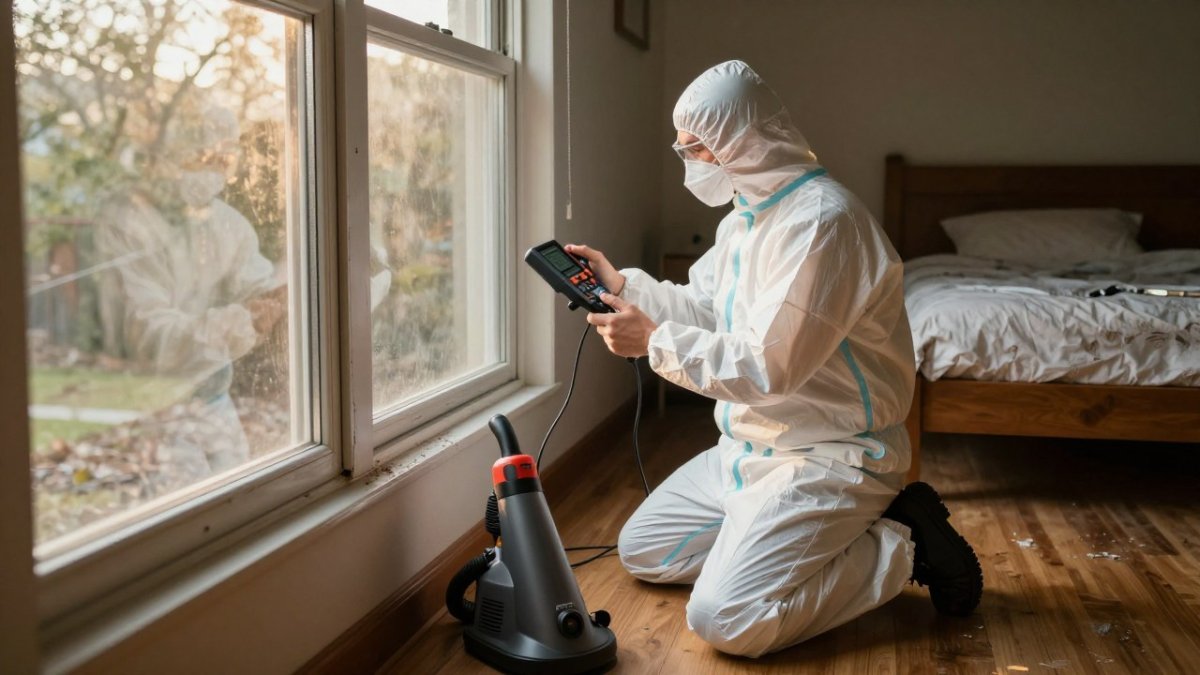
No legitimate contractor should quote abatement or encapsulation before an inspection and risk assessment. A lead paint inspection determines whether lead-based paint is present and where; a risk assessment identifies the specific hazards, such as deteriorated paint, dust on floors and windowsills, and soil contamination, and says how severe each one is (the EPA).
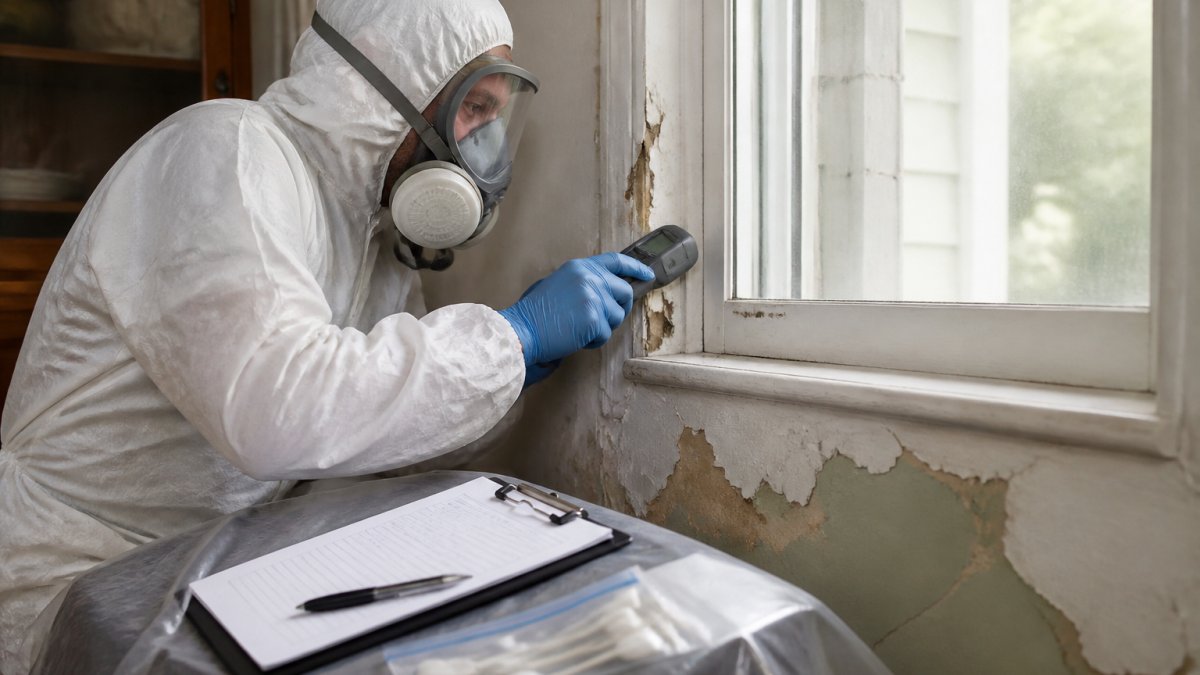
In Virginia, only licensed professionals may perform lead-based paint activities, including inspections and risk assessments, under the federal framework administered by the EPA's lead renovation, repair and painting program. Ask for the license before anyone touches your walls. Our lead paint testing page covers what a proper inspection includes and how results are reported.
The report tells you whether paint is intact or deteriorating, which surfaces are friction or impact surfaces, and where lead dust has settled.
Lead-Safe Renovation Requirements and Lead Dust Cleanup
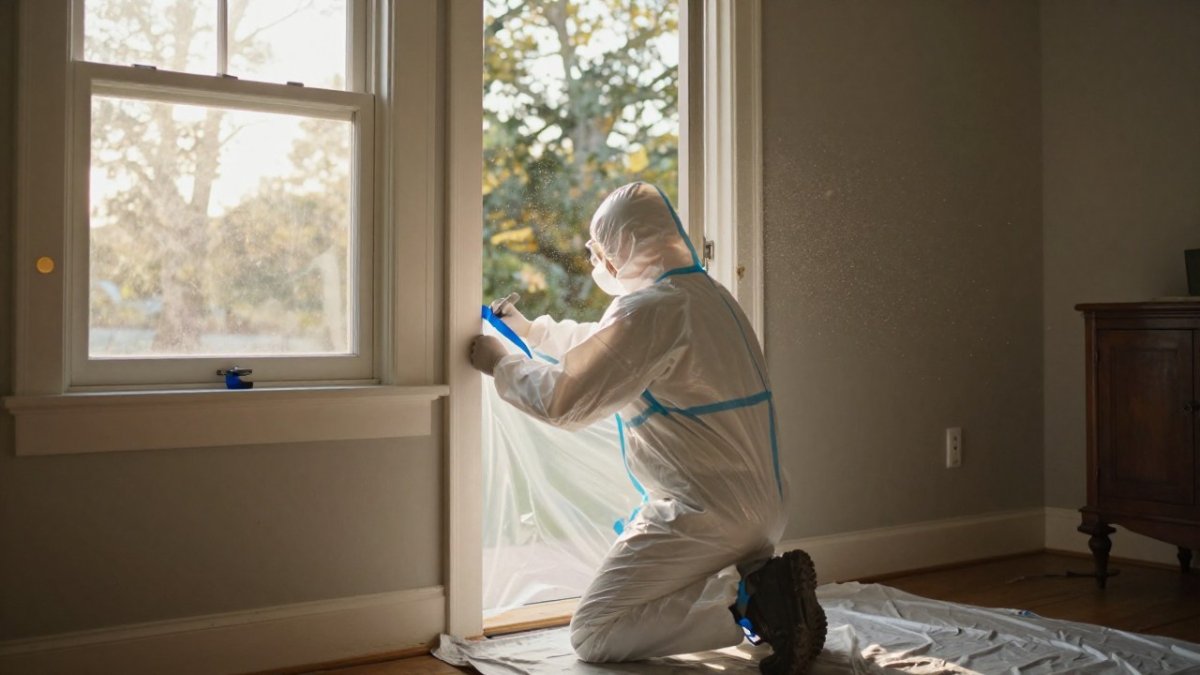
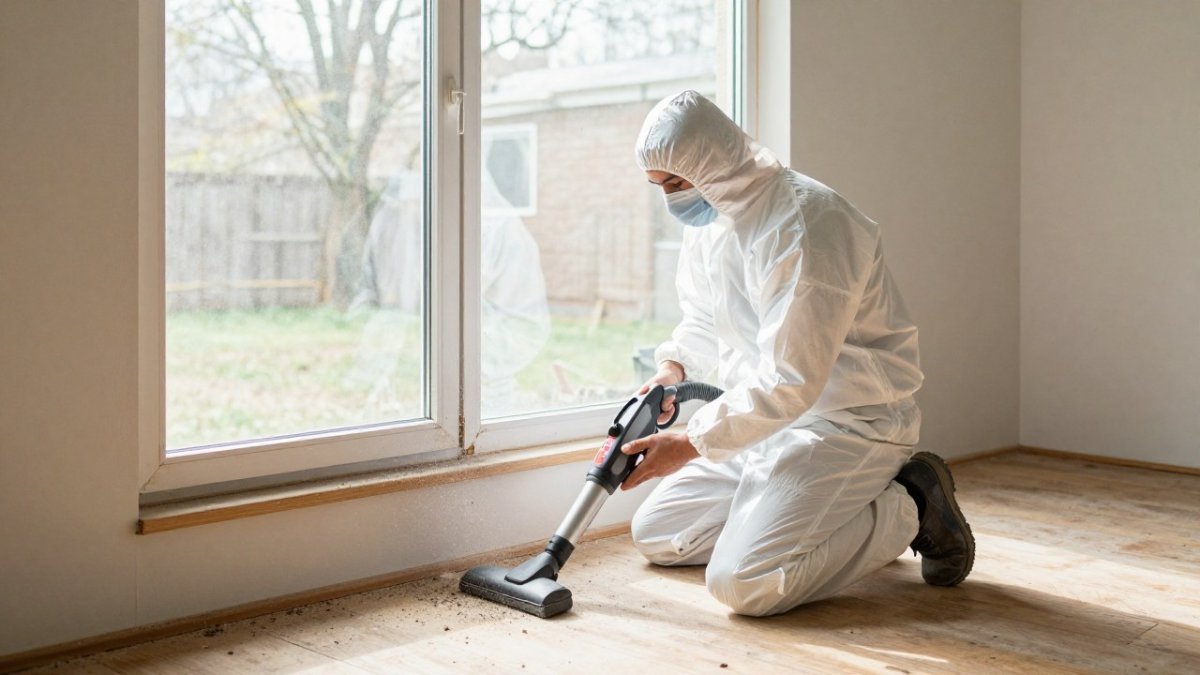
Sanding, scraping, and cutting during renovation can generate lead dust and debris that settle on floors, windowsills, and toys long after the work is finished. Professional lead dust containment methods explain the techniques certified contractors use to keep dust contained. Lead safe renovation requirements in Virginia determine which homes must follow these rules and what EPA RRP demands.
Watch out: a crew that skips containment and dry-sweeps debris can spread lead dust through the entire home, worse than leaving the paint alone until a certified firm does the work properly.
Frequently Asked Questions
What is the difference between lead abatement and encapsulation?
Lead abatement addresses the hazard through removal, replacement, or enclosure. Encapsulation is a coating applied over intact lead paint that creates a barrier while the lead remains in place.
When is encapsulation not appropriate for lead paint?
Encapsulation is generally applied only to intact, well-adhered paint. A lead paint inspection and risk assessment should confirm paint condition and substrate before any encapsulating coating is considered.
Who should perform lead abatement or encapsulation?
Both jobs should be performed by certified professionals rather than homeowners or general handymen. Ask for certification proof and a written scope before signing anything.
Lead paint decisions are not something to guess at, and they are not a job for a homeowner with a scraper and a weekend. Virginia Lead Services provides certified operators, dust and particulate containment practices, and expertise in pre-1978 homes, from testing through abatement and lead-safe renovation. Get started with Virginia Lead Services and know exactly what is in your walls and what to do about it.