 how-to
Is Lead Abatement Required for Kitchen Remodels?
Last Updated: October 23, 2026
Quick Summary
Whether is lead abatement required for kitchen remodels depends on your home's age and work scope. In pre-1978 homes, federal law requires lead-safe practices when paint is disturbed, but full abatement is typically optional unless testing reveals high lead levels or a child has elevated blood lead.
- The EPA's RRP Rule requires lead-safe practices in pre-1978 homes whenever painted surfaces are disturbed during renovation.
- Lead-safe renovation uses containment, wet methods, and HEPA vacuuming overseen by a certified renovator.
- Lead abatement permanently removes or encapsulates lead paint and is optional for most kitchen remodels unless specific conditions apply.
- Professional testing determines whether lead is present in your kitchen's painted surfaces before renovation begins.
- Homeowners should not perform lead abatement or lead-safe work themselves due to training, certification, and equipment requirements.
Table of Contents
- When Lead Abatement Is Required for Kitchen Remodels
- Understanding the EPA Renovation, Repair and Painting Rule
- Lead Abatement vs. Lead-Safe Renovation: What's the Difference?
- Lead Dust Containment During Remodeling Work
- Testing for Lead Before You Start
- Why Professional Oversight Matters
- Frequently Asked Questions
When Lead Abatement Is Required for Kitchen Remodels
Is lead abatement required for kitchen remodels? Whether is lead abatement required for kitchen remodels depends on your scope of work and whether your home was built before 1978. In a pre-1978 home, federal law requires lead-safe practices, but full abatement isn't always necessary. Virginia Lead Services helps homeowners understand the difference.
Understanding the EPA Renovation, Repair and Painting Rule
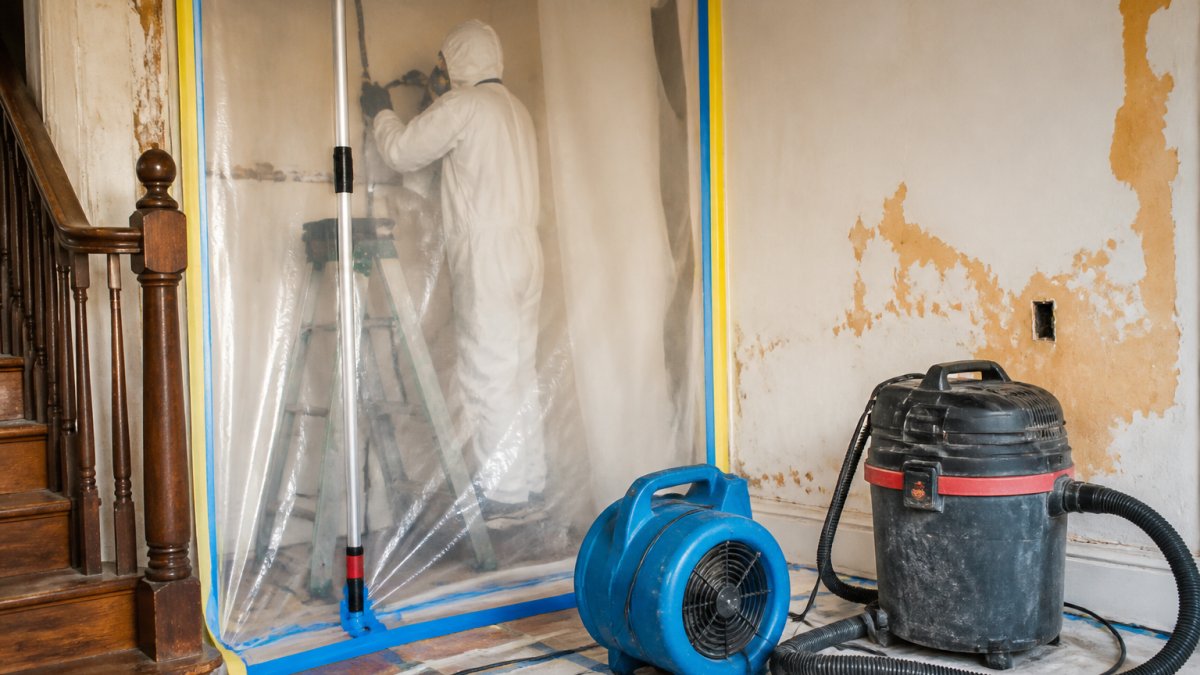
The EPA's Renovation, Repair and Painting (RRP) Rule requires specific containment and cleanup whenever painted surfaces are disturbed in pre-1978 homes (the EPA). It doesn't automatically require abatement, it requires lead-safe practices (dust containment, wet methods, HEPA vacuuming, proper cleanup) overseen by a certified renovator (the EPA). Cabinet removal, wall prep, window replacement, and soffit work all disturb paint, and the rule applies whether or not lead is present.
Lead Abatement vs. Lead-Safe Renovation: What's the Difference?
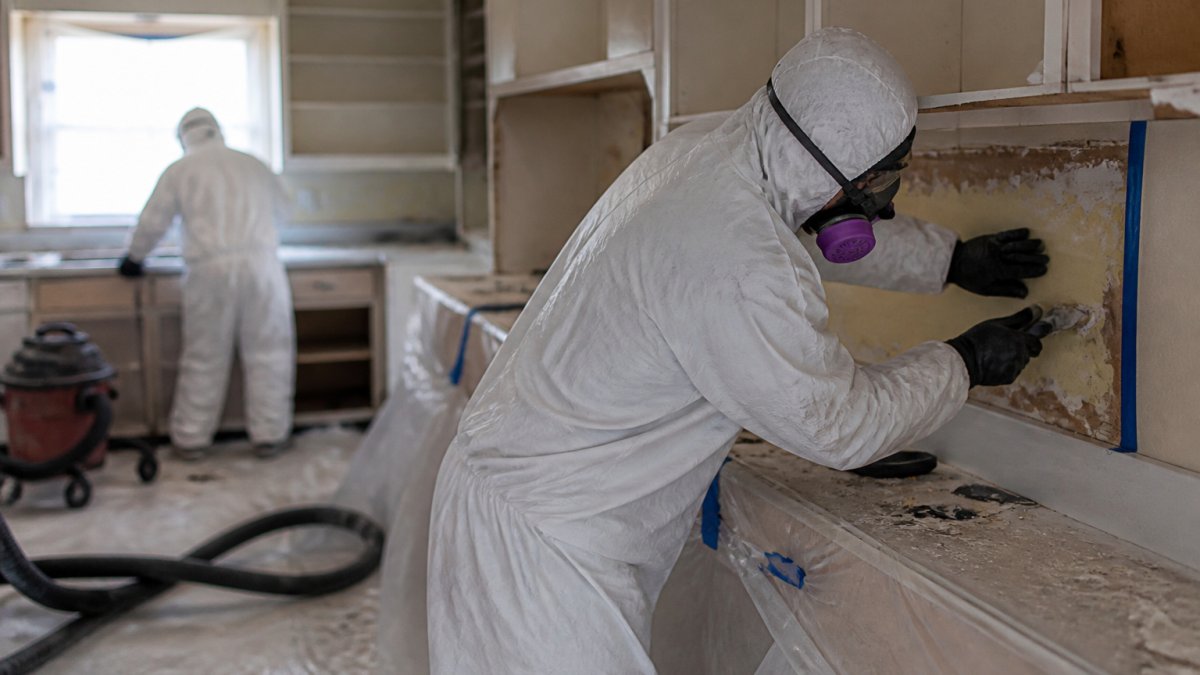
Lead-safe renovation is the controlled disturbance and cleanup of painted surfaces using containment and dust control, supervised by a certified renovator. Lead abatement is the permanent removal or encapsulation of lead paint, eliminating the hazard entirely. For most kitchen remodels, lead-safe renovation is what's required by law; abatement is optional unless a child with elevated blood lead levels lives in the home or local regulations require it.
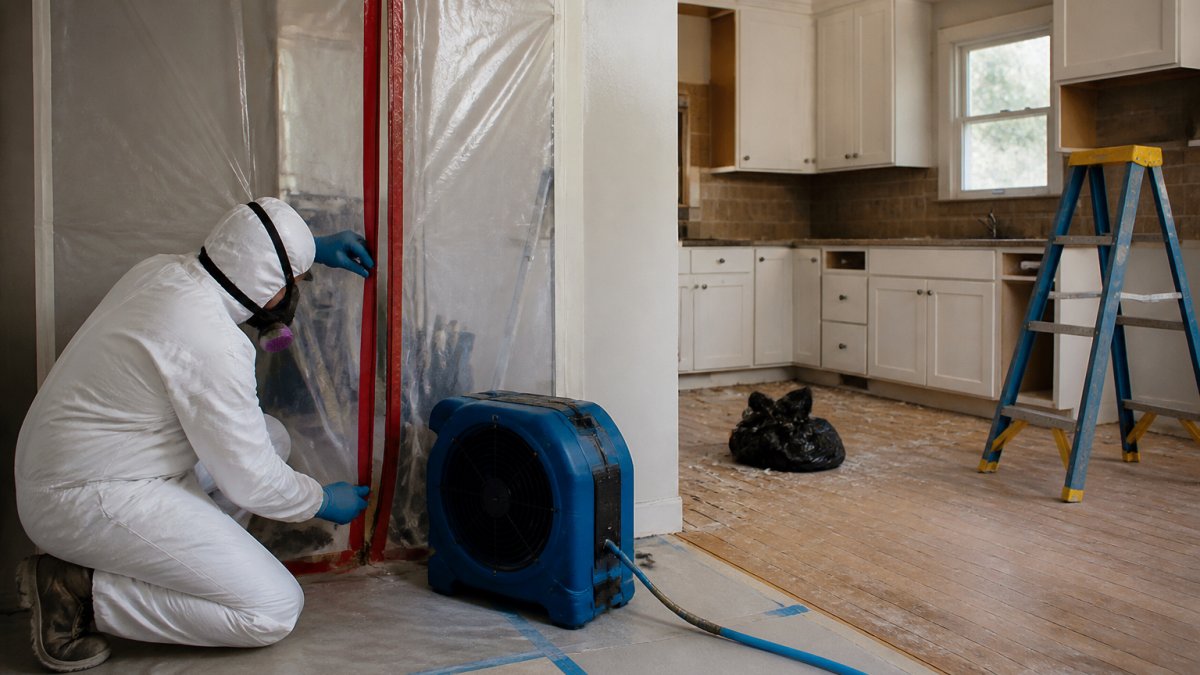
Lead Dust Containment During Remodeling Work
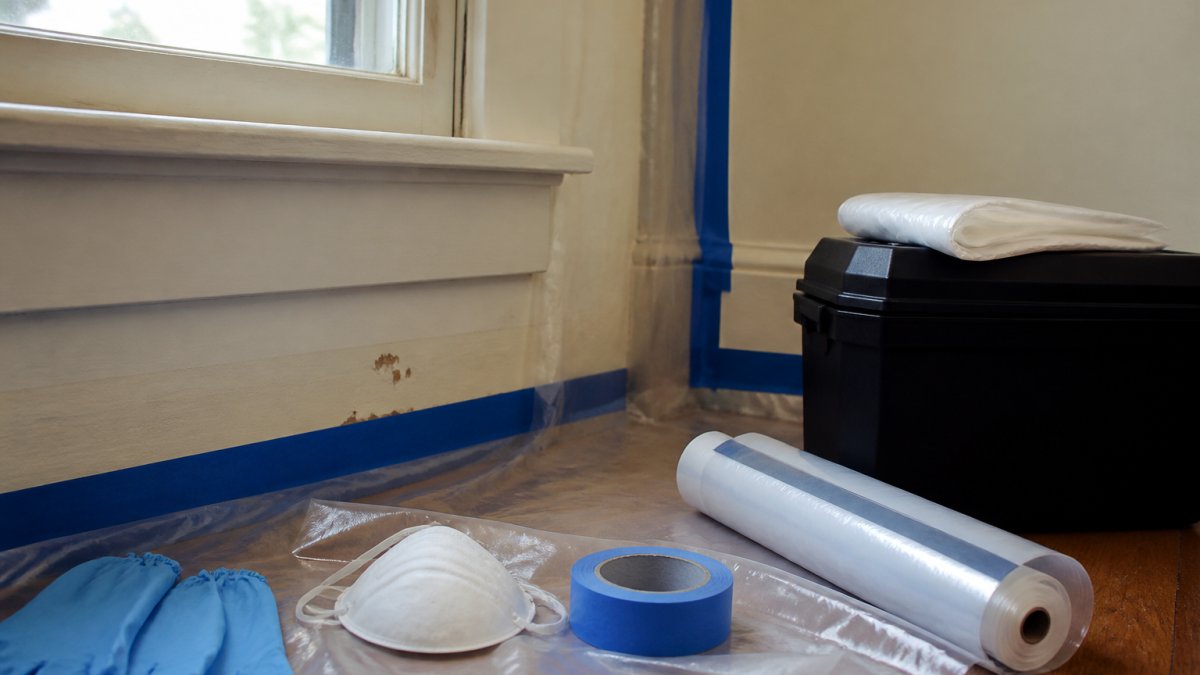
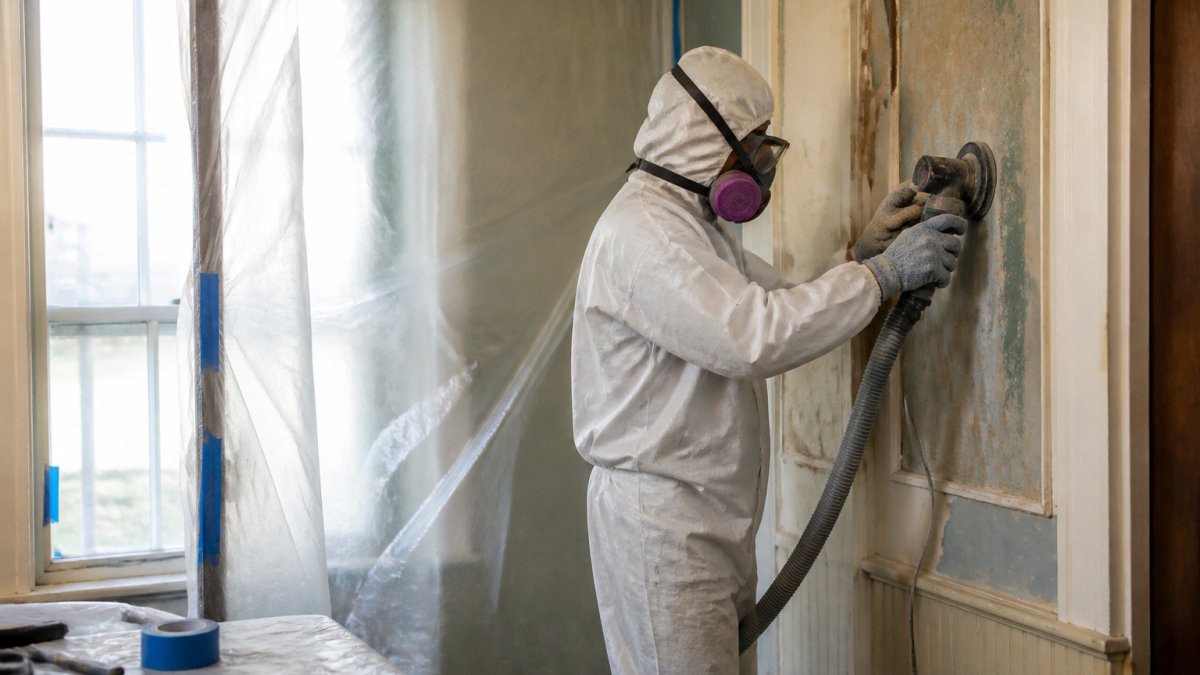
Containment is the core of lead-safe renovation: seal doorways with plastic sheeting, run HEPA filtration units, and maintain negative air pressure to keep dust out of the rest of your home. Wet methods replace dry sanding, HEPA vacuums capture fine particles, and surfaces are wiped daily, all overseen by a certified renovator to ensure RRP Rule compliance.
Testing for Lead Before You Start
Testing tells you whether lead is actually present in your paint, guiding decisions about renovation scope and abatement. A professional collects samples from painted surfaces in your kitchen, and lab analysis determines lead content. If testing shows lead, you proceed with full lead-safe protocols, and high levels might prompt abatement instead of just renovation.
Why Professional Oversight Matters
Homeowners should not perform lead abatement or lead-safe renovation work themselves. This work requires training, certification, and proper equipment. Lead dust is invisible; improper containment spreads it through your home, and inadequate cleanup leaves hazards behind. Virginia Lead Services provides certified operators who handle lead-safe renovation and abatement, using advanced dust and particulate containment to protect your family and ensure your project meets all legal requirements.
Is lead abatement required for your kitchen remodel? Usually no, lead-safe renovation is required if your home was built before 1978 and your work disturbs paint. But if testing reveals high lead levels, or a child in your home has elevated blood lead, abatement becomes the better choice. Virginia Lead Services can test your kitchen, explain what your renovation requires, and handle the work safely with certified operators and proven containment methods. Contact us to discuss your project and protect your family.
Frequently Asked Questions
Is lead abatement required for a kitchen remodel in a pre-1978 home?
Whether lead abatement is required depends on the scope of work and what surfaces will be disturbed. If your kitchen remodel involves paint disturbance on interior surfaces in a home built before 1978, the EPA Renovation, Repair and Painting Rule applies. This may require lead-safe renovation practices rather than full abatement. A certified professional must assess your project to determine the exact requirements and whether lead testing is needed first.
What is the difference between lead abatement and lead-safe renovation?
Lead-safe renovation follows EPA-approved work practices to minimize lead dust during repairs and remodeling. Lead abatement is a more intensive process that permanently removes, encapsulates, or contains lead-based paint. For most kitchen remodels, lead-safe renovation practices are sufficient if lead paint is present. Full abatement is typically required only when lead hazards pose significant risks or when renovation alone cannot safely address the condition.
How do I know if I need lead paint testing before my kitchen remodel?
If your home was built before 1978 and you plan interior renovation work, lead paint testing is strongly recommended. Testing identifies whether lead-based paint is present on surfaces that will be disturbed, such as cabinets, walls, or trim. This determines whether lead-safe renovation practices or abatement is necessary. A certified professional can perform inspection and risk assessment to guide your decision and ensure compliance with federal regulations.