 how-to
How to Prepare Your Home for Lead Testing
Table of Contents
- Why Lead Testing Matters for Your Home
- How to Prepare Your Home for Lead Testing
- What to Expect During a Lead Inspection
- Frequently Asked Questions
Last Updated: October 21, 2026
Why Lead Testing Matters for Your Home
Lead paint poses serious health risks, especially for children and pregnant women. Homes built before 1978 often contain lead-based paint on walls, trim, windows, and other surfaces; when it chips, cracks, or peels, lead dust settles on floors, furniture, and toys where children can ingest it (the EPA).
Lead exposure can cause developmental delays, learning problems, and behavioral issues in children, and high blood pressure and kidney damage in adults (the CDC). The only way to know if your home has lead is to prepare home lead testing through professional testing, which helps you protect your family and make informed decisions about renovations or repairs.
How to Prepare Your Home for Lead Testing
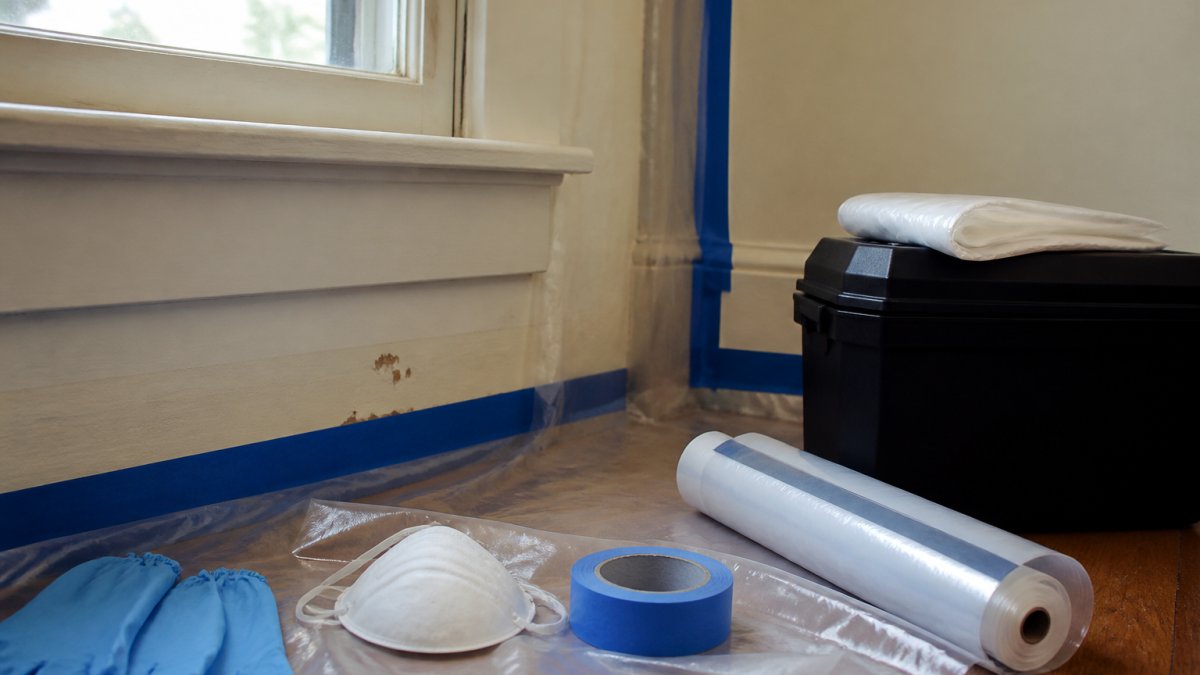
When you prepare home lead testing, planning ensures samples accurately reflect your home's lead levels.
Before the inspection arrives:
- Clear clutter from rooms and surfaces
- Close windows and doors for 12 hours before testing
- Avoid vacuuming or sweeping (this stirs up dust)
- Keep children and pets in a separate area during testing
- Gather any renovation or maintenance records for the home
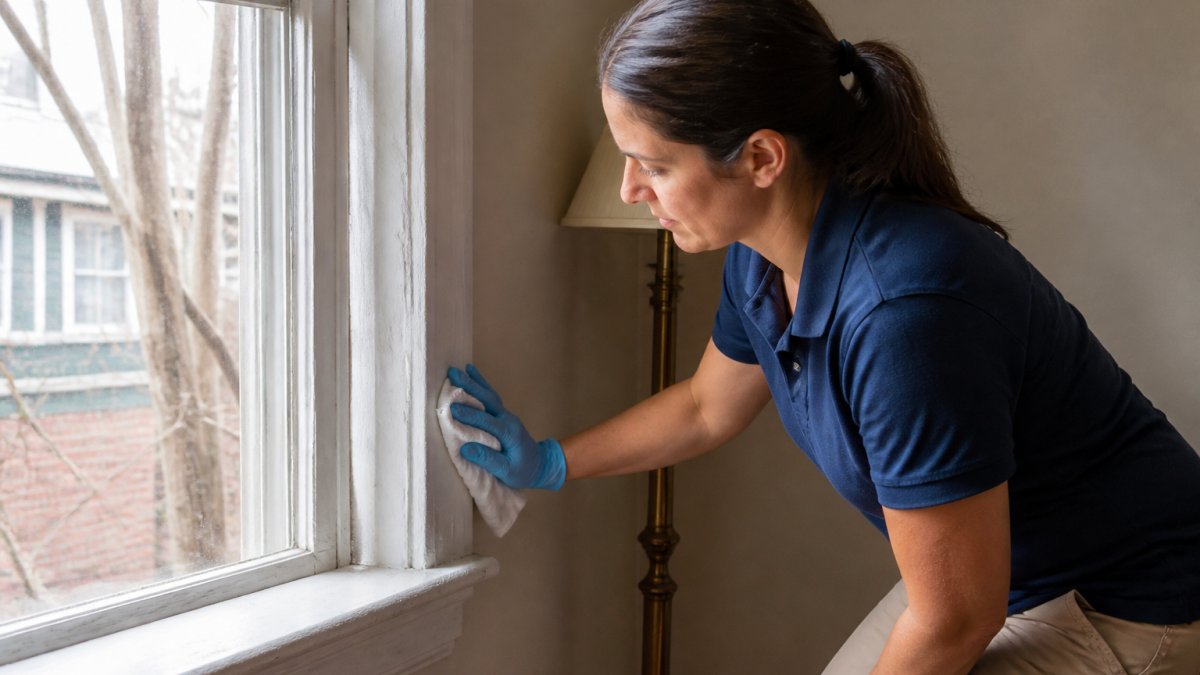
For paint samples:
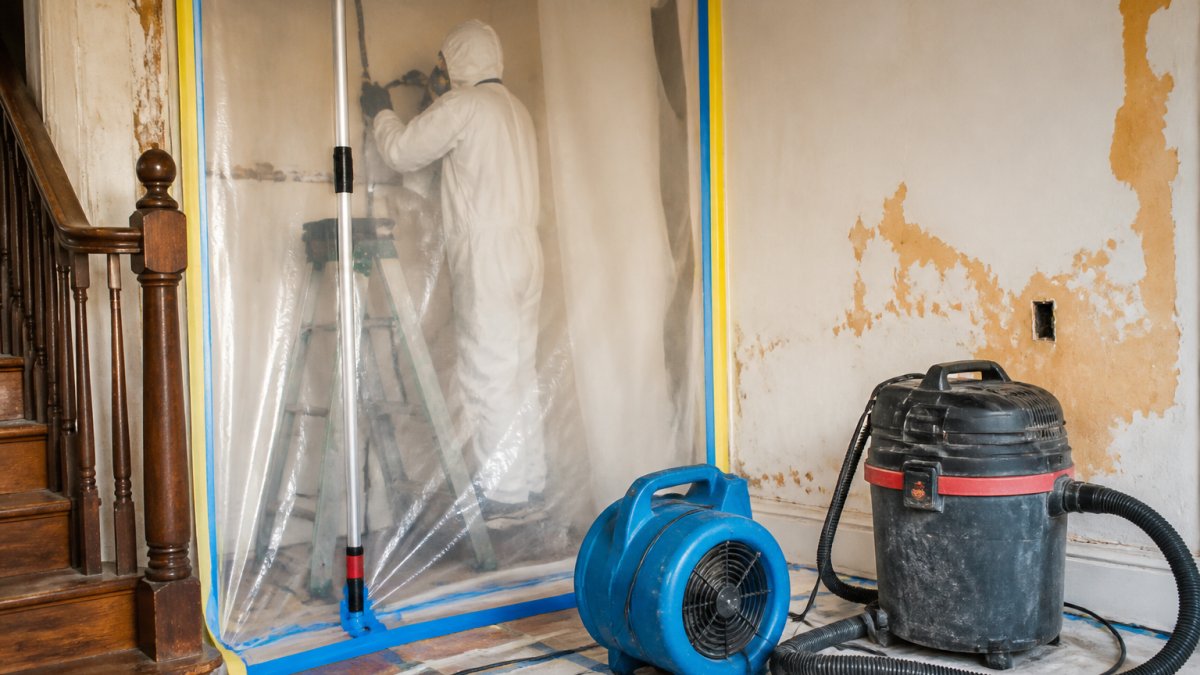
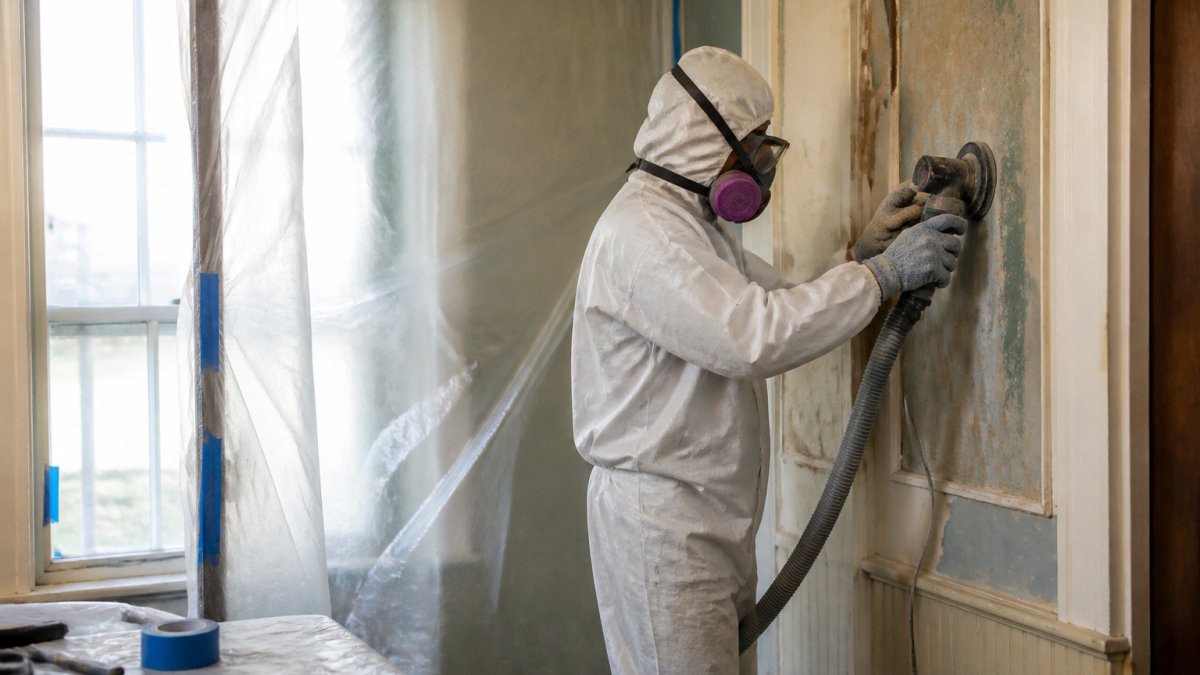
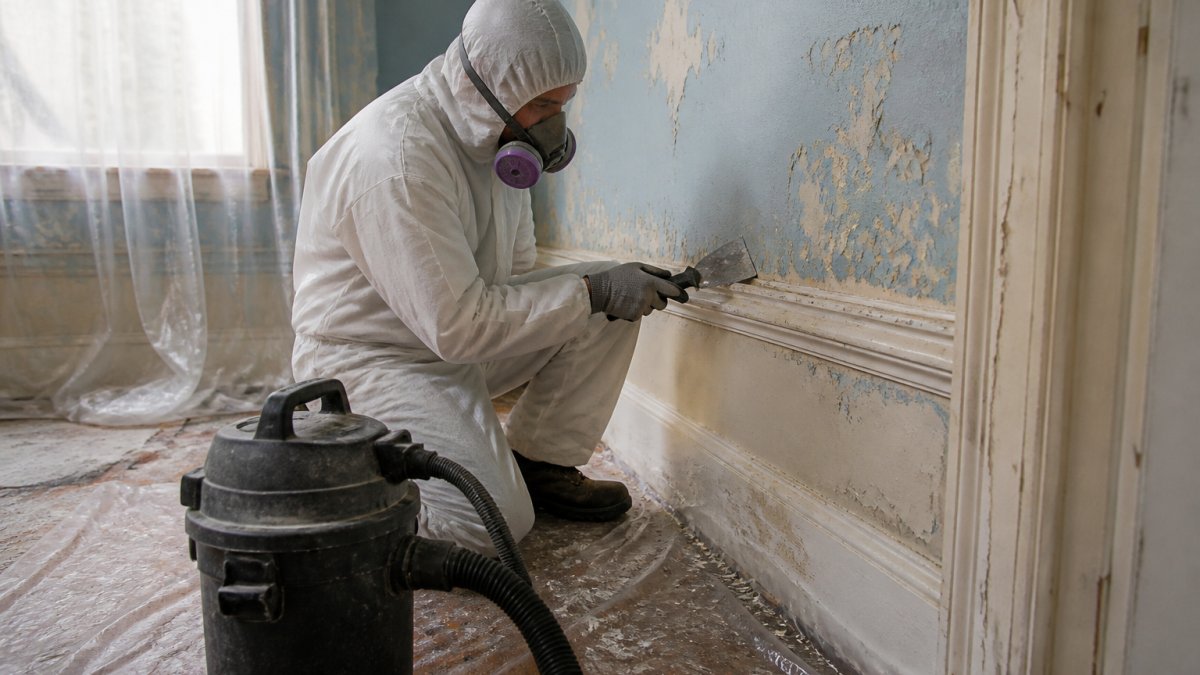
Paint samples come from walls, trim, doors, and window frames. Wipe surfaces gently with a damp cloth before collection, and never scrape or disturb deteriorating paint yourself, professionals handle this safely using containment practices.
For dust samples:
Dust accumulates on window troughs, floors, and ledges. Wipe these areas lightly with a damp cloth before testing so samples capture settled lead accurately.
Safety during preparation:
Avoid creating dust clouds, use damp cloths instead of dry wiping, and keep children away from deteriorating paint. Never sand, scrape, or disturb painted surfaces on your own.
What to Expect During a Lead Inspection
Professional lead inspections follow a structured process. A certified professional visits your home and collects samples from painted surfaces, dust, and sometimes soil or water.
The inspection timeline:
Most inspections take 1-2 hours depending on home size and complexity, and you receive a detailed report showing which surfaces contain lead and at what levels.
After testing:
Lab analysis takes several days to weeks, and results guide decisions about remediation, renovations, or ongoing maintenance. If lead is present, Virginia Lead Services can discuss safe next steps, including professional abatement or lead-safe renovation practices.
Professional testing and certified operators ensure accurate results and your peace of mind. Contact Virginia Lead Services to schedule a lead inspection and learn how we help families in homes built before 1978 manage lead risks safely.
Frequently Asked Questions
How should I prepare my home for a professional lead test?
Begin by removing clutter from areas where testing will occur, including painted surfaces, windows, and window troughs. Dust all surfaces with a damp cloth to remove loose particles. Keep children and pets away from testing areas. Ensure the certified professional has clear access to painted surfaces, moldings, floors, and walls. Make a note of any chipping paint, cracked paint, or peeling paint you've noticed. Close interior doors to contain dust, and prepare a separate area for the professional to set up equipment and conduct the lead paint inspection.
What is included in a lead inspection checklist?
A lead inspection checklist should document all painted surfaces in your home, including walls, moldings, windows, doors, and floors. Note any deteriorating paint, areas of concern, and rooms to be tested. Identify potential lead dust accumulation spots like window troughs and baseboards. Record the age of your home and any known renovations. Document the presence of children or pregnant women in the household. List any health concerns among family members. Prepare a floor plan showing room layouts. Have documentation of your home's construction date and any previous lead testing or abatement work ready for the certified professional.
How long does lead testing take?
The duration of lead testing depends on your home's size and the scope of the inspection. A typical professional lead inspection of a single-family home generally takes several hours. Paint chip and dust sample collection may take 1-3 hours depending on the number of surfaces being tested. Laboratory analysis of samples typically takes 5-10 business days after samples are sent to an EPA-recognized laboratory. Preliminary findings may be discussed during the inspection, but comprehensive results come after laboratory analysis. Plan for the certified professional to need uninterrupted access to your home during the inspection period.