 how-to
How to Comply with Lead Paint Laws in Virginia
Table of Contents
- Virginia Lead Paint Disclosure Requirements
- Lead Paint Inspection and Risk Assessment
- Lead-Safe Renovation Requirements
- Frequently Asked Questions
Last Updated: October 18, 2026
Virginia Lead Paint Disclosure Requirements
Lead paint is a serious issue in older homes. If you own, rent, or sell a property built before 1978, you need to understand the rules (the EPA). At Virginia Lead Services, we help families and property owners stay safe and compliant.
Federal law requires sellers and landlords to disclose known lead-based paint hazards (the EPA). You must give buyers or tenants the EPA pamphlet on lead safety (the EPA). You also need to include a disclosure form and allow time for a lead inspection.
Disclosure rules cover both sales and rentals. Sellers must disclose before a contract is signed. Landlords must disclose before a lease begins. Keep signed copies for at least three years.
Lead Paint Inspection and Risk Assessment
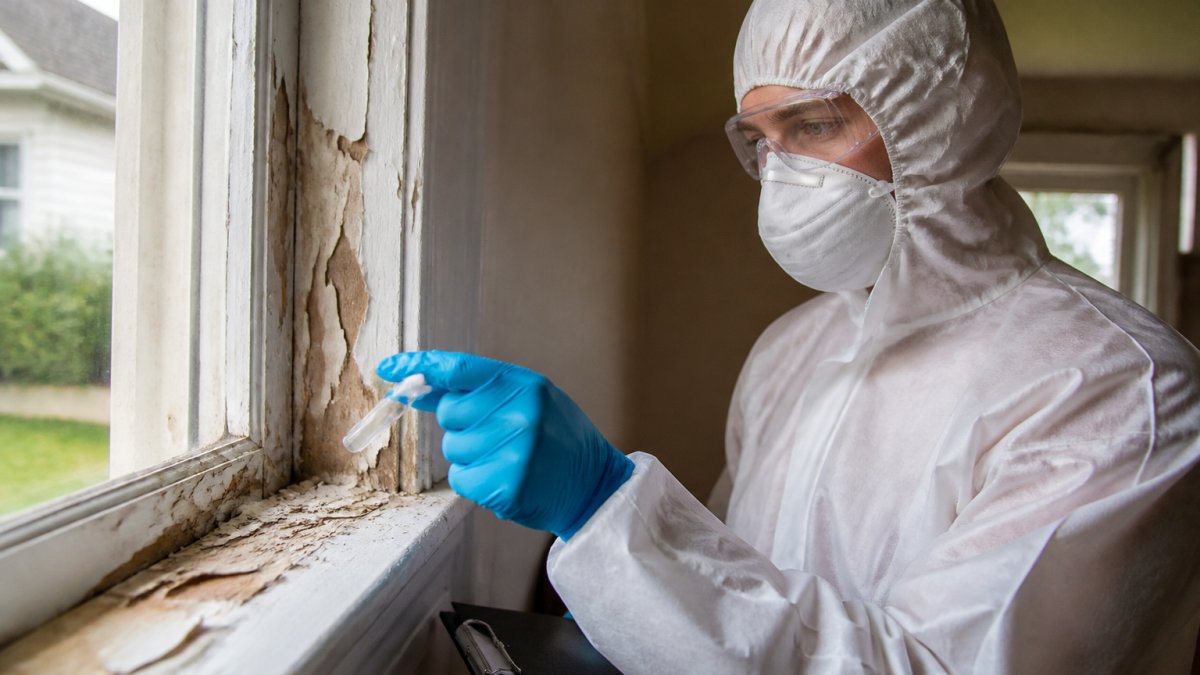
An inspection finds lead paint. A risk assessment looks at hazards like dust and soil. Both need a certified professional. Do not test paint yourself.
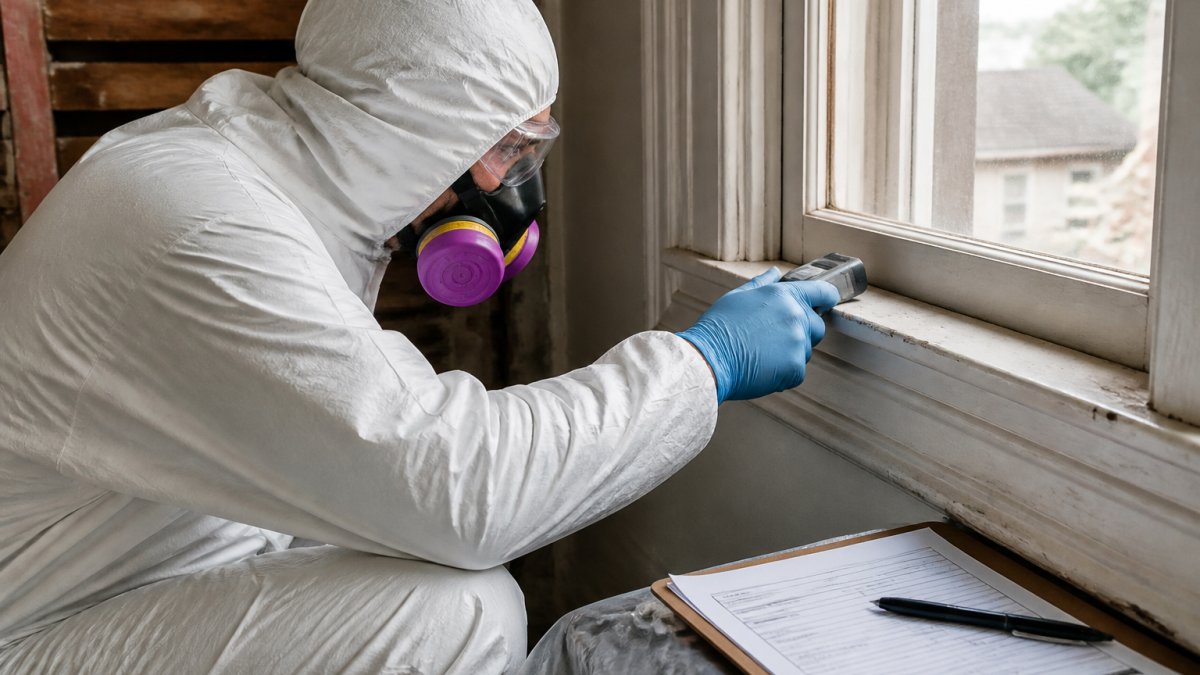
A certified inspector checks painted surfaces, dust, and soil. You get a written report on any lead hazard found. This report guides your next steps, whether that means repairs or full abatement.
Lead-Safe Renovation Requirements
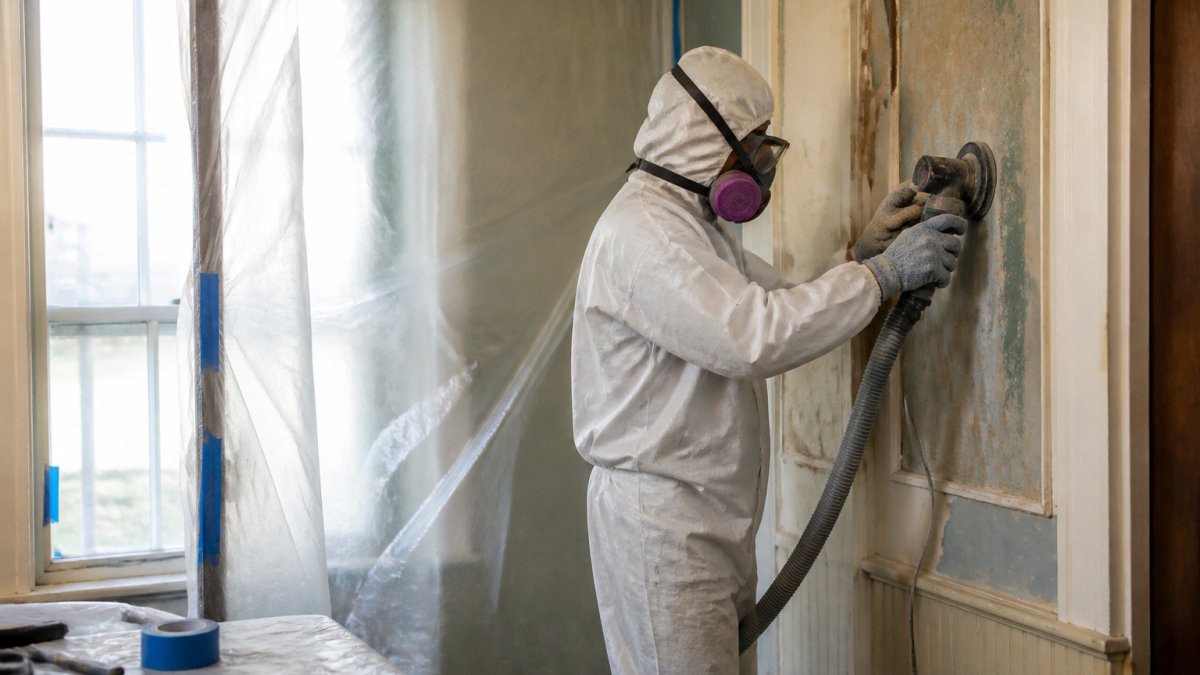
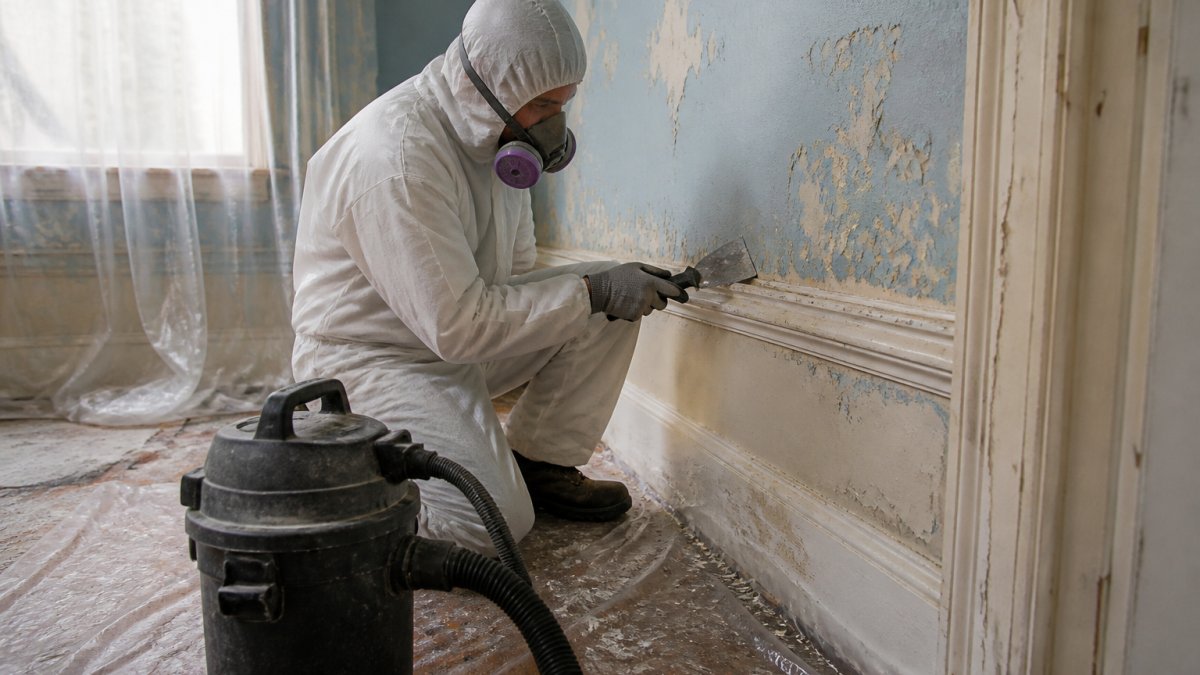
Renovation work in pre-1978 housing must follow lead-safe work practices. Contractors need proper certification. They must contain dust and debris during the job.
Lead-safe renovation requirements include:
- Using certified firms and trained workers
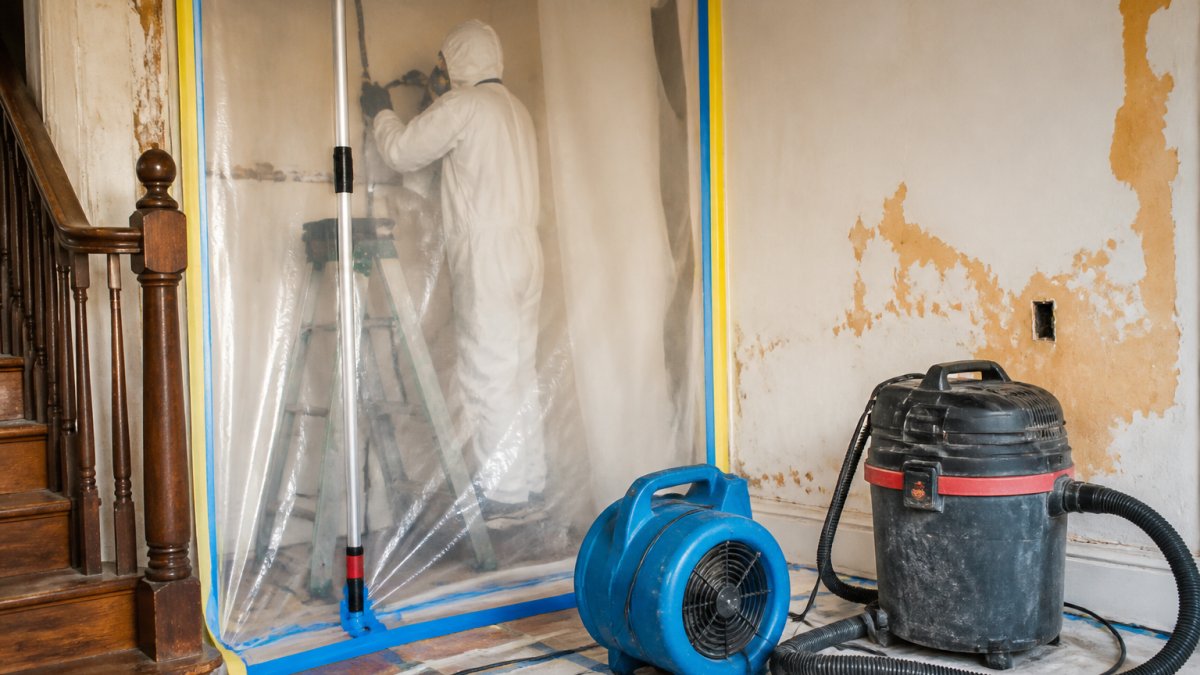
- Sealing off work areas to contain dust
- Cleaning up fully when the job ends
Virginia Lead Services handles this for you. Our certified operators use dust and particulate containment practices. We protect your family and keep your project compliant.
Frequently Asked Questions
Does lead paint need to be disclosed in Virginia?
Yes. Federal law requires sellers and landlords of pre-1978 housing to disclose known lead-based paint and lead-based paint hazards before a sale or lease. You must provide the EPA pamphlet and allow a 10-day period for buyers to conduct a lead inspection or risk assessment. Virginia follows these federal disclosure requirements, so failing to disclose can lead to penalties and legal liability.
Who pays for a lead paint inspection?
The party requesting the inspection typically pays. Buyers often arrange and pay for a lead inspection during the contingency period, while landlords may cover the cost to verify rental property compliance. Pricing varies by property size, number of units, and provider, so request a quote from a certified firm.
How can property owners verify that a lead abatement contractor is certified?
Ask for the firm's Virginia certification and the individual credentials of the abatement supervisor and workers. Verify these through the Virginia Department of Professional and Occupational Regulation (DPOR) or the EPA's certified firm database. A legitimate contractor will provide documentation without hesitation. Never hire anyone who cannot show current certification for lead-based paint activities.
Lead paint rules protect your family and your property. But compliance takes certified experts and careful work. Virginia Lead Services provides lead testing, abatement, and safe renovation for pre-1978 homes. Our certified operators use proven containment practices to meet every legal requirement. Submit your request today and get peace of mind about lead risks in your home.