 How-to
Post-Abatement Lead Clearance Testing: How the Process Works
Quick Summary
Post-abatement lead clearance testing is the final check that confirms a home is safe to reoccupy after lead paint work. A licensed professional inspects the area, cleans it, collects dust-wipe samples and sends them to an accredited lab. If the results pass the clearance levels, the home is cleared; if not, the cleanup is repeated and retested.
- Clearance is performed by a licensed professional, not by the homeowner.
- The process includes visual inspection, surface cleaning, dust-wipe sampling and lab analysis.
- Dust-wipe samples are taken from floors, window sills and window troughs.
- Lab results are compared against clearance levels set by federal and state rules.
- A failed clearance is repeated after cleanup and followed by a retest.
Table of Contents
- How Post-Abatement Lead Clearance Testing Works, Step by Step
- Post-Abatement Clearance Procedures and Dust Wipe Clearance Levels
- What to Do If Lead Clearance Testing Fails and Your Abatement Plan Template
- Frequently Asked Questions
Post-Abatement Lead Clearance Testing: How the Process Works
Last Updated: November 8, 2026
How Post-Abatement Lead Clearance Testing Works, Step by Step
Post-abatement lead clearance testing is the final check that confirms a home is safe to reoccupy after lead paint work (the EPA). The test looks for lead dust left behind after the work is finished.
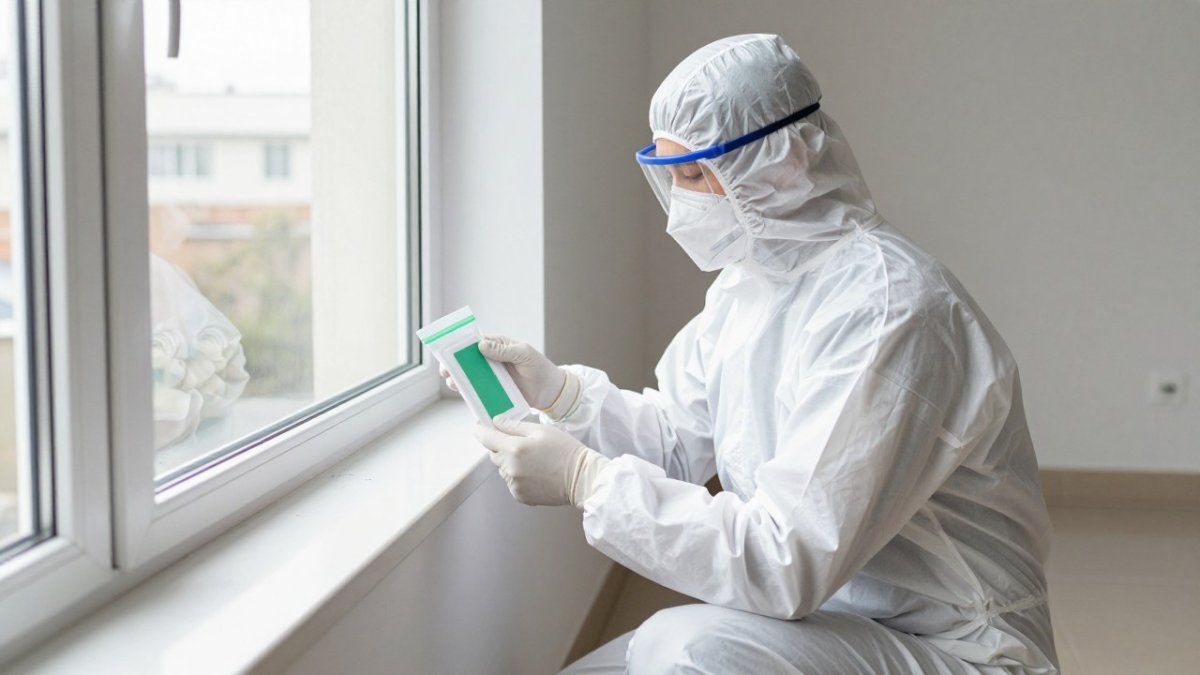
Clearance is performed by a licensed professional, not by the homeowner (the EPA). The process generally follows this sequence:
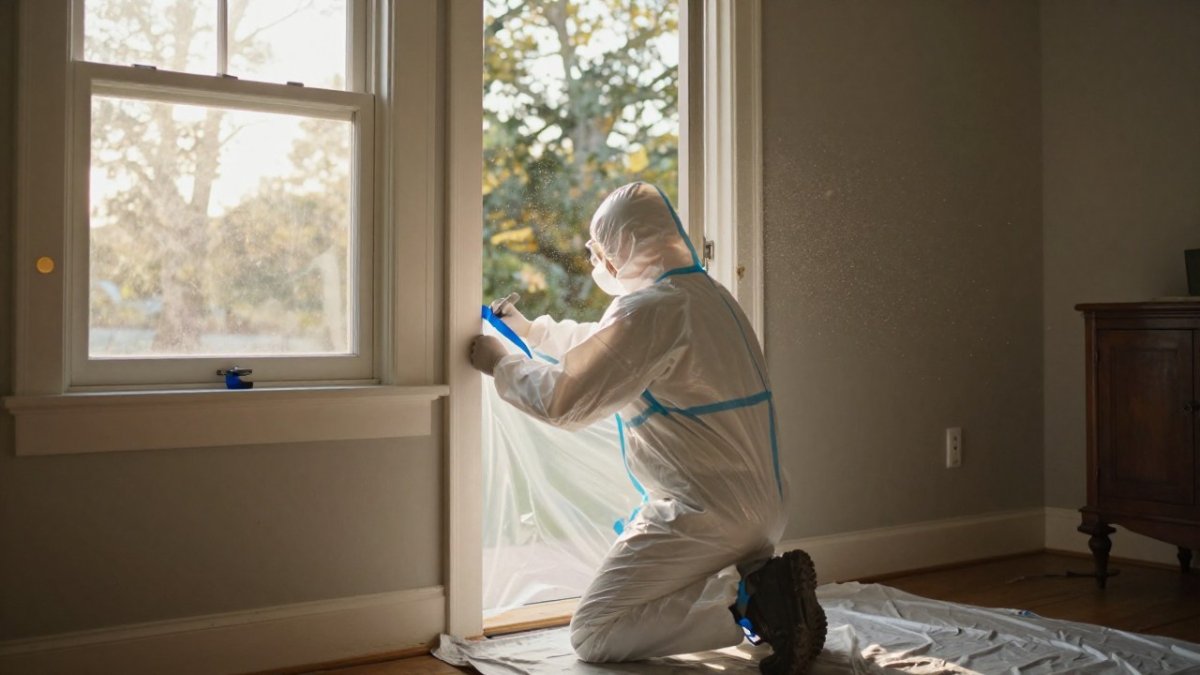
- Visual inspection: The inspector checks the work area for visible dust, debris, and unfinished surfaces.
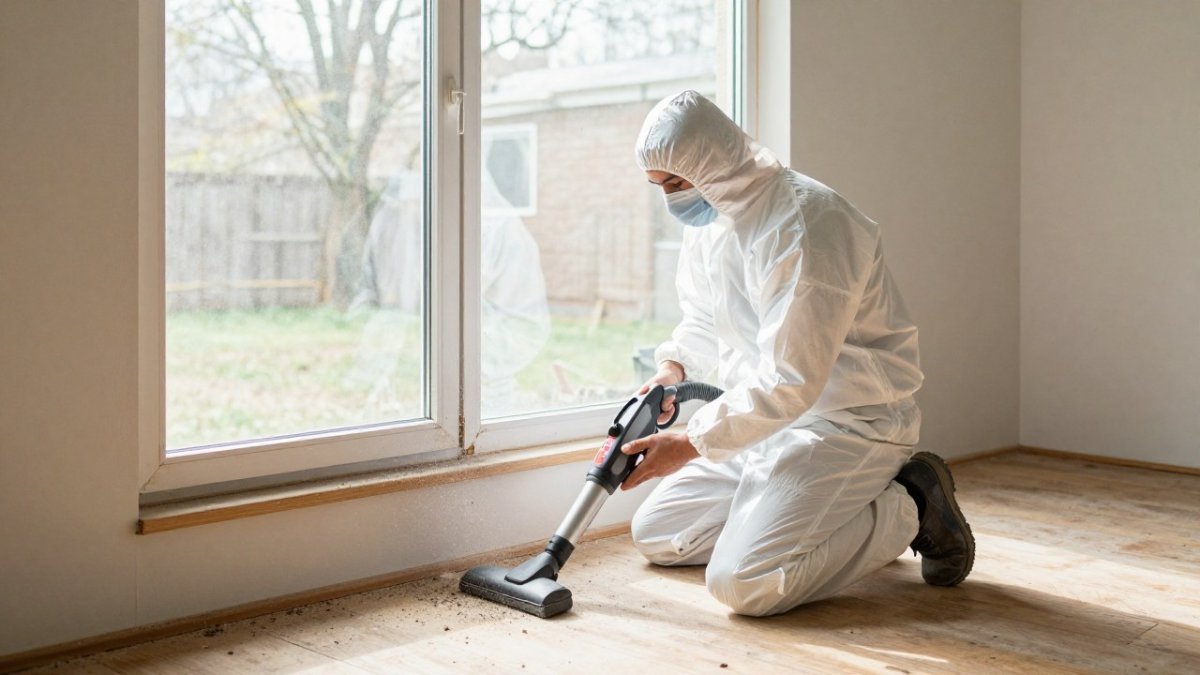
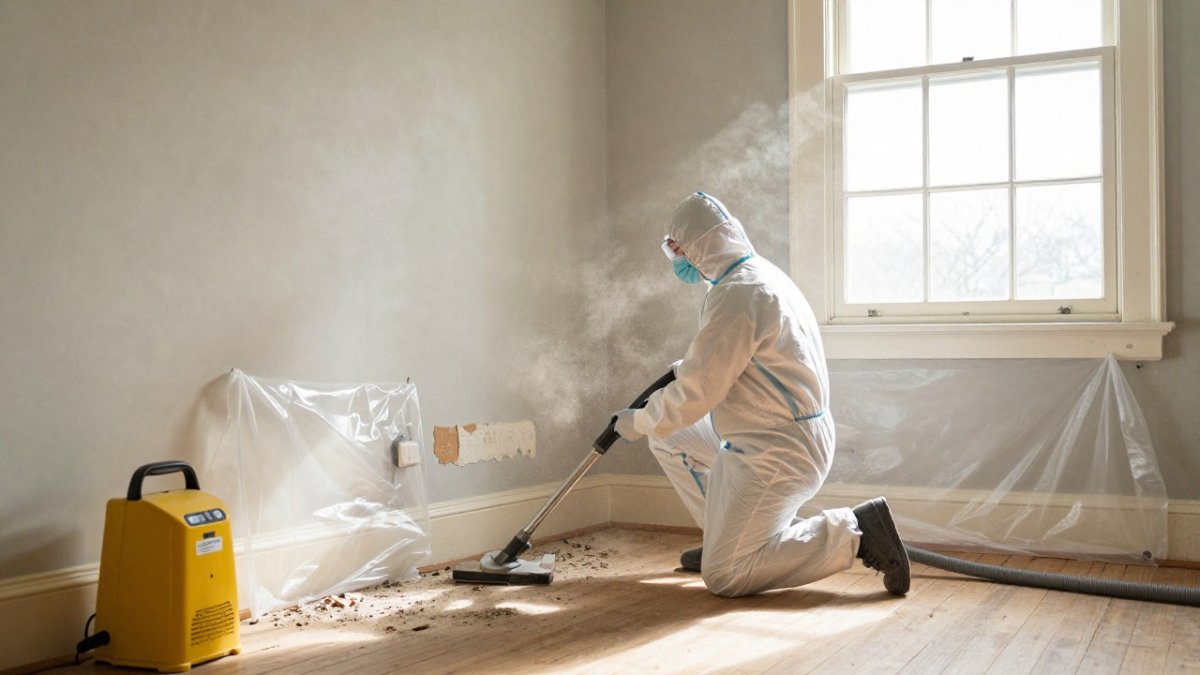
- Surface preparation: The area is cleaned before any samples are taken.
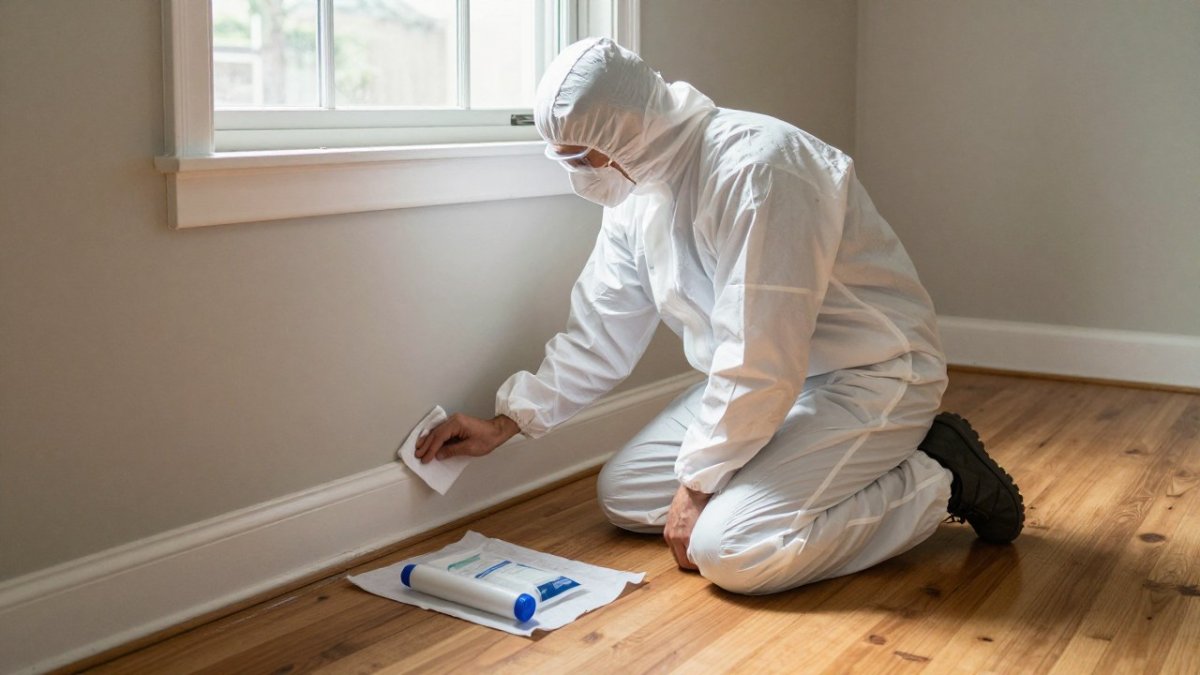
- Dust-wipe sampling: Samples are collected from floors, window sills, and window troughs.
- Laboratory analysis: The samples are sent to an accredited lab for dust-lead results (the EPA).
- Clearance report: The report shows whether the home passed or failed.
If the home fails, the cleanup is repeated and the area is retested.
Post-Abatement Clearance Procedures and Dust Wipe Clearance Levels
Clearance levels are the dust-lead thresholds that the lab results are compared against. Clearance levels are set by federal and state rules and applied by a licensed inspector. Readers should check the relevant agencies for the current limits.
Dust-wipe samples are the main tool for this step. Each sample is compared with the clearance level for its surface type.
What to Do If Lead Clearance Testing Fails and Your Abatement Plan Template
A failed clearance is common and fixable. The usual next steps are:
- Ask the contractor to repeat the cleanup of the failed areas.
- Schedule a retest after the cleanup is complete.
- Confirm the company holds the required lead licensing before any follow-up work.
Virginia Lead Services can review your abatement plan and handle the cleanup and retesting. Contact Virginia Lead Services to confirm licensing and next steps for your property.
Frequently Asked Questions
What happens during post-abatement lead clearance testing?
Clearance testing starts with a visual inspection to confirm that all paint, debris and visible dust from the abatement work have been removed. Dust-wipe samples are typically collected from floors, window sills and window troughs in the work area and sent to an accredited laboratory. The results are compared against applicable dust-lead clearance levels. If every sample is at or below the levels, the work area is cleared for reoccupancy. If any sample exceeds them, the area must be recleaned and retested.
How long does post-abatement lead clearance testing take?
The on-site visual inspection and sampling usually take one visit. Laboratory analysis of dust-wipe samples commonly takes a few business days, and turnaround depends on the lab and how many samples are submitted. Delays often come from incomplete cleaning that requires recleaning and retesting, or from sample-handling errors. Ask the contractor or inspector for the expected turnaround before the work begins.
What should I do if lead clearance testing fails?
A failed clearance means at least one dust-wipe sample exceeded the applicable dust-lead level. The work area must be recleaned, and the clearance sampling repeated after cleaning is complete. Occupants should stay out of the affected area until a passing report is issued. Reviewing the clearance report and the abatement plan can help identify which surfaces or rooms need additional cleaning before retesting.